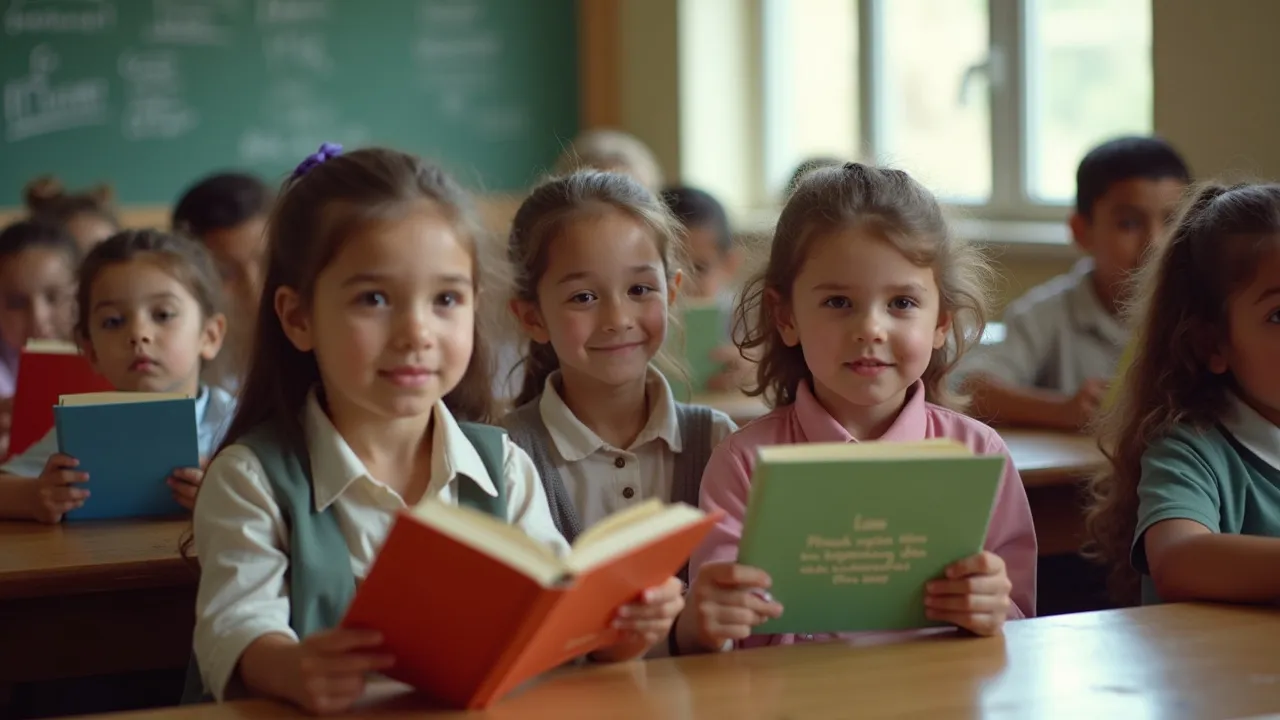
International Mother Language Day, observed on February 21st, promotes linguistic diversity and multilingual education. It commemorates the 1952 Bengali language movement in Bangladesh, where students sacrificed their lives for the right to speak their mother language.
The Historical Origins & Evolutionary Journey
International Mother Language Day traces its roots to the Bengali Language Movement of 1952 in East Pakistan (now Bangladesh). On February 21 of that year, students protesting for the recognition of Bengali as a national language were shot dead by police. This tragic event catalyzed a global movement for linguistic rights.
The Foundational Catalyst: The Bengali Language Movement
In 1948, Pakistan's government declared Urdu as the sole national language, marginalizing Bengali—spoken by the majority. Protests erupted, culminating in February 21, 1952, when students at Dhaka University demanded equal status. Police opened fire, killing Abdus Salam, Rafiq Uddin Ahmed, and others. Their martyrdom fueled the movement, eventually leading to Bengali gaining official status in 1956. This day became a symbol of linguistic identity.
The Legislative/Official Adoption by UNESCO
In 1997, Rafiqul Islam and Abdus Salam (not the martyr) proposed the day to UNESCO. On November 17, 1999, UNESCO unanimously proclaimed February 21 as International Mother Language Day. The resolution urged member states to promote linguistic diversity. The first observance occurred in 2000, and in 2007 the UN General Assembly formally recognized it.
Modern Global Legacy and Challenges
Today, the day highlights the importance of mother tongue education and preservation of endangered languages. Over 7,000 languages exist, but many are vanishing. UNESCO reports that 40% of the global population lacks access to education in their mother tongue. The day serves as a call to action for policymakers, educators, and communities.
How to Celebrate International Mother Language Day
Celebrations range from classroom activities to global campaigns. Here are actionable ways to participate.
Educational Activities and School Programs
- Language Workshops: Organize sessions where students teach basic phrases in their mother tongues.
- Storytelling Events: Invite elders to share folklore in indigenous languages.
- Multilingual Poetry Slams: Encourage students to compose and recite poems in their native dialects.
Community and Cultural Events
- Language Fairs: Set up booths representing different languages with food, music, and games.
- Film Screenings: Show documentaries on language preservation or movies in regional languages.
- Cultural Performances: Traditional dances and songs that celebrate linguistic heritage.
Corporate and Social Media Initiatives
- Internal Workshops: Companies can host "Speak Your Language" days.
- Social Media Campaigns: Use hashtags like #MotherLanguageDay to share videos or stories.
- Donation Drives: Fund organizations working on language revitalization.
In Bangladesh, the day is a public holiday with processions and floral tributes at the Shaheed Minar. Canada promotes indigenous languages via government programs. South Africa emphasizes all 11 official languages. Tailor activities to your region's context.
Global Impact and Awareness of Linguistic Diversity
International Mother Language Day has significantly raised global consciousness about linguistic diversity. It serves as a platform to address language discrimination and promote inclusion. UNESCO's Global Education Monitoring Report emphasizes that multilingual education improves learning outcomes. The day also influences policy, such as the UN's 2019 International Year of Indigenous Languages, which spurred action on language preservation. Organizations like SIL International and the Endangered Languages Project use the day to highlight at-risk languages and crowdsource documentation efforts.
Moreover, the day fosters cultural understanding. By celebrating linguistic variety, societies reduce prejudice and build bridges. For instance, the European Union uses the day to promote its multilingualism policy. In Africa, it supports mother tongue-based bilingual education. The cumulative effect is a more inclusive world where every language is valued.
The Role of Multilingual Education in Sustainable Development
Multilingual education is central to achieving Sustainable Development Goal 4 (Quality Education). Research shows children learn best in their mother tongue during early years. Yet, many education systems impose a dominant language, leading to high dropout rates. International Mother Language Day advocates for removing these barriers. Successful models include Nigeria's use of local languages in primary schools and Peru's intercultural bilingual education. The day provides a yearly focus for governments to commit to policy reforms. It also empowers communities to demand language rights. By integrating mother tongues into curricula, countries can preserve cultural heritage while boosting educational equity.
Indigenous Languages and Endangered Language Preservation
Half of the world's languages are endangered, with one dying every two weeks. International Mother Language Day shines a spotlight on this crisis. Indigenous languages like Ainu (Japan), Cherokee (USA), and Sami (Scandinavia) are given attention. Preservation efforts include documentation, digital archives, and community revitalization programs. The day encourages individuals to learn a few phrases in an endangered language or donate to projects like Living Tongues Institute. Technology plays a role: apps like Duolingo offer courses in Navajo, Māori, and others. Governments are also urged to implement the UN Declaration on the Rights of Indigenous Peoples, which includes language rights. The day serves as a reminder that losing a language loses an entire worldview.
International Mother Language Day in the Digital Age
Digital platforms are double-edged swords for linguistic diversity. They can dominate by global languages but also empower minority ones. International Mother Language Day promotes digital inclusion. Initiatives like Wikipedia in local languages, Google Translate adding smaller languages, and social media campaigns using #MotherLanguageDay amplify voices. However, the digital divide persists—many indigenous communities lack internet access. The day calls for equitable technology policies. Schools can host coding workshops in mother tongues, and developers are encouraged to create localized software. The digital age offers unprecedented tools for language preservation, but only if deployed with intention.
Historical Timeline
On February 21, students in Dhaka (East Pakistan) are shot by police while protesting for the recognition of Bengali as a national language. Their deaths ignite the Bengali Language Movement.
Bengali is granted official status along with Urdu in Pakistan, a direct result of the language movement.
UNESCO unanimously proclaims February 21 as International Mother Language Day, proposed by Bangladesh and supported by other countries.
First official observance of International Mother Language Day worldwide.
The United Nations General Assembly calls upon member states to promote the preservation and protection of all languages.
The UN International Year of Indigenous Languages, building on the momentum of Mother Language Day, focuses global attention on indigenous language preservation.
UNESCO launches the International Decade of Indigenous Languages (2022-2032) to further safeguard linguistic diversity.