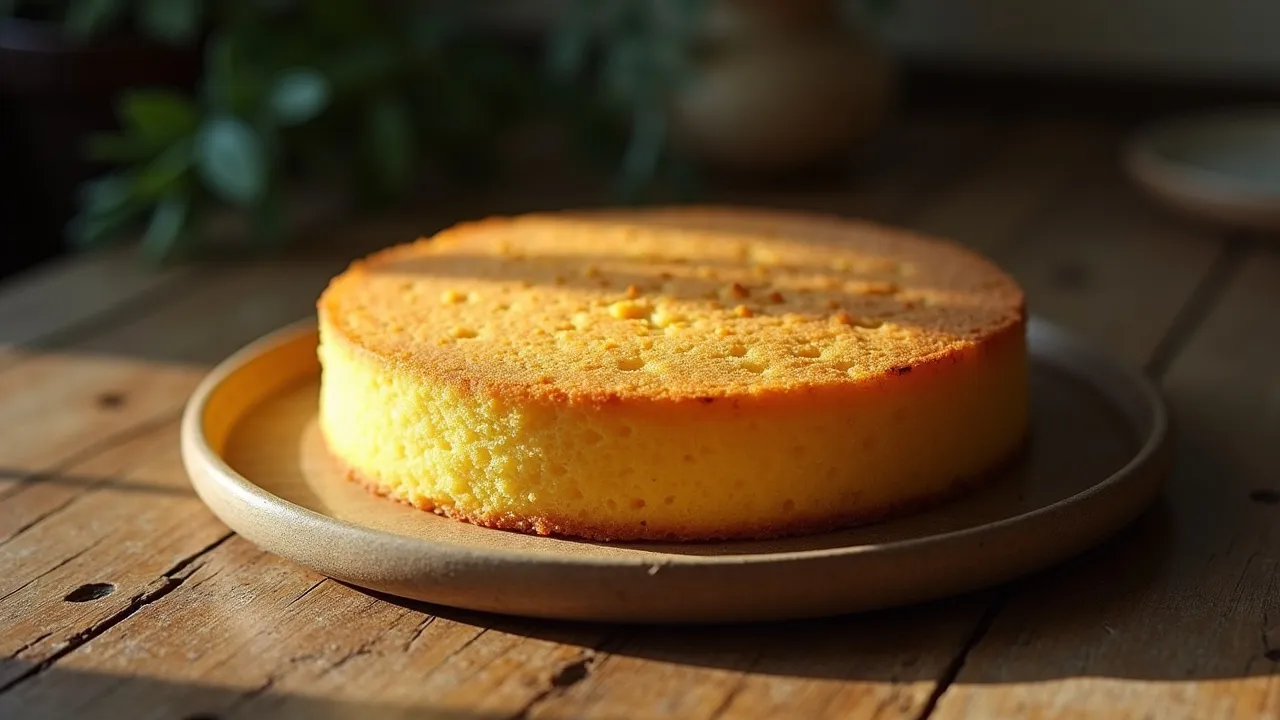
Celebrate National Sponge Cake Day on August 23rd, honoring the light, airy dessert that has delighted palates for centuries. Discover its history, global variations, and how to bake or buy the perfect sponge cake.
The Historical Origins & Evolutionary Journey of Sponge Cake
Sponge cake, a dessert defined by its ethereal lightness and tender crumb, boasts a lineage that intertwines with the evolution of baking science itself. While National Sponge Cake Day is a modern observance, the cake's ancestry stretches back to the Renaissance. This section explores the deep history, from early experimental bakes to the globally beloved confection it is today.
The Foundational Catalyst: Early European Beginnings
The earliest known sponge cakes appeared in Renaissance Italy and France. Unlike modern versions, these early cakes relied on whipped egg whites to achieve volume, a novel technique in a time when chemical leaveners were unknown. The first recorded recipe for "biscuit" (a type of sponge) appears in the 1615 cookbook The English Huswife by Gervase Markham, though similar recipes existed earlier in Italian manuscripts. These early sponges were often used as a base for elaborate desserts, soaked in wine or spirits, and layered with fruit and cream.
The Legislative/Official Adoption: The Rise of Modern Baking
The 19th century brought revolutionary changes. The development of reliable ovens with temperature control, the availability of refined sugar, and the invention of rotary egg beaters made sponge cake preparation more accessible. British cookery writer Eliza Acton published a sponge cake recipe in 1845 that closely resembles today's version. Later, the advent of baking powder in the late 1800s allowed for more foolproof recipes, leading to a surge in home baking. However, the specific establishment of National Sponge Cake Day as an annual observance is not tied to a single legislative act or official proclamation. Instead, it emerged organically in the early 2000s through online food communities, baking blogs, and social media, eventually being recognized by food calendar websites and organizations like the National Day Calendar in the United States.
Modern Global Legacy: From Classic to Creative
Today, sponge cake encompasses countless variations worldwide. The classic Victoria sponge in the UK, the tres leches cake in Latin America, the castella cake in Japan, and the chiffon cake in the US are all descendants of the original sponge. National Sponge Cake Day serves as a celebration of this versatility, encouraging bakers to explore both traditional recipes and cutting-edge innovations like gluten-free and vegan sponges. The day has grown from a niche internet meme to a widely recognized food holiday, with bakeries offering specials and home bakers sharing their creations under hashtags like #NationalSpongeCakeDay.
How to Celebrate National Sponge Cake Day
National Sponge Cake Day offers a wealth of opportunities for enjoyment, from baking your own masterpiece to supporting local bakeries. This definitive guide outlines specific, actionable ways to celebrate, tailored for individuals, schools, and organizations.
For Individuals & Families: Bake, Share, and Savor
- Bake from scratch: Try a classic Victoria sponge or a lemon zest-spiked genoise. Use our timeline-linked recipe below.
- Host a sponge cake tasting party: Ask guests to bring different varieties (mocha, fruit-filled, gluten-free) and vote on favorites.
- Donate sponge cakes to a local shelter or nursing home: Share the joy with those who might not have access to homemade treats.
- Follow online tutorials: Many celebrity chefs and bakers run live streams on August 23rd.
For Schools & Educational Institutions: Fun with Food Science
- Classroom baking demo: Teach students the chemistry of egg foam structure and leavening.
- Sponge cake decorating contest: Encourage creativity with frosting, fresh fruit, and edible flowers.
- History project: Assign students to research the cultural significance of sponge cake in different countries.
For Bakeries & Food Businesses: Drive Sales and Engagement
- Offer a limited-time flavor: Feature a unique sponge creation (e.g., lavender honey or matcha).
- Social media giveaway: Run a photo contest with the hashtag #MySpongeCakeDay.
- Collaborate with local influencers: Invite them for a tasting and review.
Global Variations in Celebration
In the United Kingdom, many tea rooms offer special Victoria sponge platters. In Japan, some confectioneries highlight castella cake, a Portuguese-influenced sponge. Latin American communities often celebrate with tres leches cake. These traditions can be incorporated into your own celebration to honor the global reach of sponge cake.
The Science Behind the Perfect Sponge Cake
Sponge cake's unique texture is a triumph of food science. Understanding the principles of foam structure, gluten development, and heat transfer helps bakers achieve consistent results.
Egg Foam: The Backbone of Airiness
Whipped eggs (either whites alone or whole eggs) incorporate air bubbles that expand during baking, giving the cake its rise. The proteins in eggs denature and coagulate around the bubbles, stabilizing the foam. Over-whipping can cause weeping, while under-whipping leads to a dense crumb. The ideal stage is when the egg mixture reaches stiff peaks that hold a droopy tip (for whites) or a thick ribbon stage (for whole eggs).
Flour and Fat: Balancing Tenderness
Traditional sponge cakes contain minimal fat, relying on egg yolks for richness. Cake flour with low protein content (about 7-9%) produces a tender crumb. Overmixing after adding flour develops gluten, resulting in a tough cake. Folding should be gentle and thorough, using a spatula to cut through the batter and lift the foam from the bottom.
Leavening Agents: Old vs. New School
Classic sponges (genoise, biscuit) rely solely on egg foam for lift. Modern versions may include baking powder for extra security, but purists avoid it. While baking powder ensures a more reliable rise, it can introduce a slight tang. For a true traditional sponge, omit leavening and focus on perfect whipping.
Baking Temperature: The Right Heat
Sponge cakes bake best at moderate temperatures (325-350°F / 160-175°C). Too high, and the crust sets before the inside rises; too low, and the cake collapses. A good test: the cake springs back when lightly pressed, and a toothpick inserted comes out clean with a few moist crumbs.
Global Sponge Cake Varieties: A Cultural Tour
Sponge cake appears in countless forms across the globe. Each culture has adapted the basic formula to local tastes and ingredients. This section highlights a few notable examples.
- Victoria Sponge (UK): Two layers of sponge sandwiching jam and cream, named after Queen Victoria.
- Tres Leches Cake (Latin America): A sponge soaked in three types of milk (evaporated, condensed, heavy cream), then topped with whipped cream and cinnamon.
- Castella (Japan): A moist, bouncy sponge made with bread flour and honey, originally from Portuguese traders.
- Chiffon Cake (USA): A light, oil-based sponge invented in the 1920s, often flavored with citrus or cocoa.
- Genoise (Italy): A whole-egg sponge used in many layered European desserts, such as dacquoise and gateau.
- Biscuit Roulade (Switzerland): A thin sponge rolled with a filling of cream, jam, or fruit, also known as a jelly roll.
These varieties demonstrate the sponge's adaptability. National Sponge Cake Day is an invitation to explore them all.
The Sponge Cake Industry: Economic and Cultural Impact
Sponge cake is not just a dessert; it's a significant commercial product with a global market. The cake industry, including sponge cakes, generates billions of dollars annually through retail sales, bakery operations, and home baking ingredients.
Commercial Bakery Trends
Artisanal bakeries have seen a resurgence in sponge cake sales, driven by consumer demand for nostalgic yet high-quality treats. Large-scale manufacturers produce pre-packaged sponge cakes, loaf cakes, and snack-sized versions, catering to convenience. The trend toward healthier eating has also influenced the market, with gluten-free, keto, and low-sugar sponge cakes appearing on shelves.
Cultural Significance in Celebrations
Sponge cake is a staple at birthdays, weddings, and holidays. Its light texture makes it a preferred base for layered and decorated cakes. In many cultures, a sponge cake is the centerpiece of confectionery traditions. National Sponge Cake Day amplifies this cultural role, reminding people of the simple joy of a well-made cake.
Tips for Perfecting Your Sponge Cake Technique
Whether you're a novice or a seasoned baker, these pro tips will elevate your sponge cake game.
- Use room temperature eggs: Cold eggs do not whip as well. Separate whites and yolks while cold, then let them sit for 20 minutes.
- Clean your tools: Any grease or yolk in the whites will prevent them from whipping. Use a perfectly clean bowl and whisk.
- Sift flour multiple times: This aerates the flour and ensures even distribution when folding.
- Fold, don't stir: Use a rubber spatula to cut through the batter and lift the foam from the bottom. Rotate the bowl as you fold.
- Bake immediately: Sponge cake batter loses its air quickly. Pour into prepared pans and place in the oven right away.
- Cool upside down: For tube pans, invert the pan to prevent sinking. For sheet pans, let cool on a wire rack before turning out.
Historical Timeline
The first known sponge cake recipe is published in Gervase Markham's 'The English Huswife', though similar recipes existed earlier in Italy.
British cook Eliza Acton includes a sponge cake recipe in her 'Modern Cookery for Private Families', a precursor to the Victoria sponge.
The invention of the rotary egg beater by American Ralph Collier simplifies egg whipping, making sponge cake more accessible to home bakers.
The Victoria sponge cake is named after Queen Victoria, who was known to enjoy a slice with her afternoon tea.
American general Mills introduces the first packaged cake mix, though purists continue to prefer scratch sponges.
The chiffon cake is invented by Harry Baker, a Los Angeles insurance salesman, revolutionizing sponge cakes with the use of vegetable oil.
National Sponge Cake Day emerges as an internet-driven food holiday, celebrated on August 23rd, through social media and food blogs.
During the COVID-19 pandemic, home baking surges, and sponge cake recipes trend online, cementing the day's popularity.