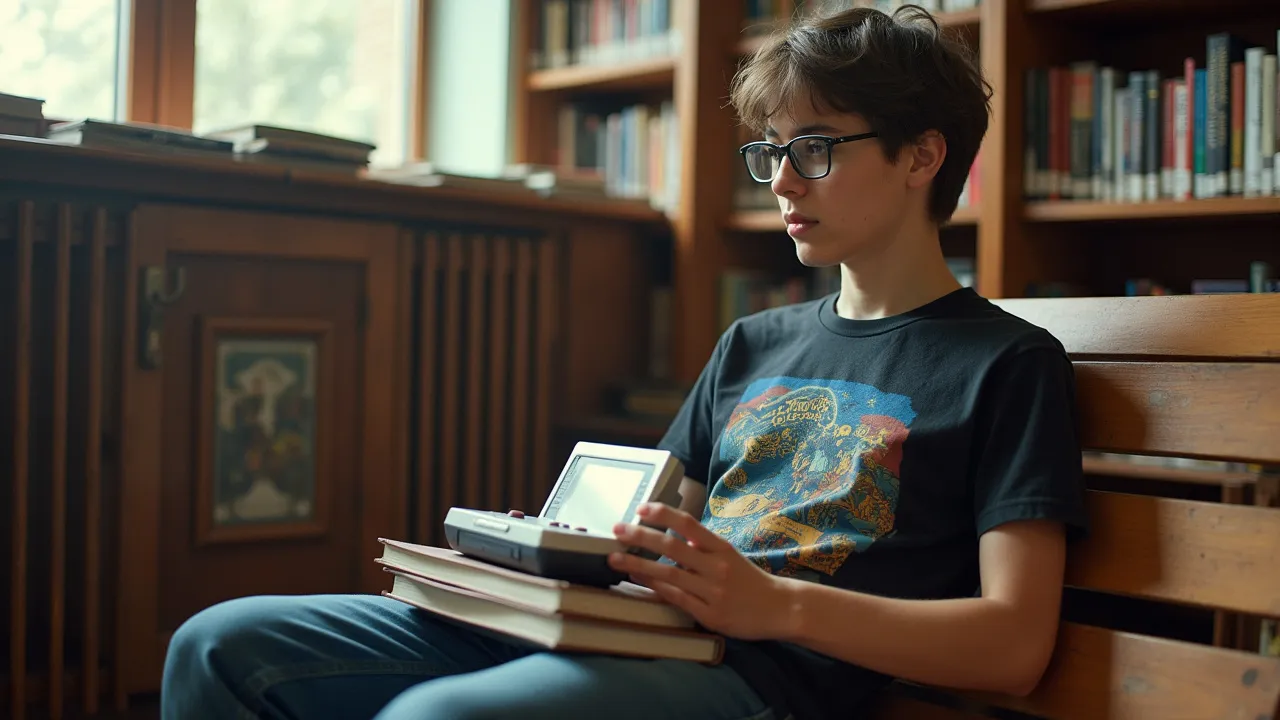
Find Your Inner Nerd Day, on August 23rd, invites everyone to proudly celebrate their geeky interests—from science and tech to comics and gaming. It's a day to embrace authenticity and showcase your unique passions without shame.
The Historical Origins & Evolutionary Journey of Find Your Inner Nerd Day
Find Your Inner Nerd Day is a relatively modern observance that emerged from the growing acceptance and celebration of nerd culture in the early 21st century. While the exact origins are somewhat obscure, the day was popularized by the National Day Calendar in the mid-2000s as a fun, inclusive observance encouraging people to embrace their intellectual and niche interests without fear of judgment.
The Foundational Catalyst
The term 'nerd' was once pejorative, associated with social awkwardness and obsessive dedication to academic or technical pursuits. However, the rise of the internet in the 1990s and early 2000s allowed nerds to form global communities. Forums, gaming platforms, and fan sites created safe spaces for sharing passions. The success of movies like Star Wars and The Lord of the Rings and the explosion of video games made nerd culture more mainstream. This shift laid the groundwork for a dedicated day of celebration.
Official Adoption and Evolution
The National Day Calendar, a widely recognized registry of unofficial holidays, officially added Find Your Inner Nerd Day to its list in the early 2000s. The date August 23rd was chosen arbitrarily, falling between summer vacations and the start of the school year, making it an ideal time for self-reflection and group activities. Initially, the day was promoted through social media and niche websites, but by the 2010s, it gained traction among libraries, schools, and workplaces.
Modern Global Legacy
Today, Find Your Inner Nerd Day is celebrated worldwide with events ranging from comic book swaps to hackathons. It has become a symbol of the destigmatization of nerdiness, encouraging people to openly discuss topics like astrophysics, coding, or fantasy literature. The day's legacy is tied to the broader geek pride movement, which champions diversity in interests and celebrates the contributions of nerds to science, technology, and culture.
How to Celebrate Find Your Inner Nerd Day
Celebrating Find Your Inner Nerd Day is all about authenticity and sharing your passions. Whether you're a seasoned nerd or just discovering your interests, there are countless ways to participate. Below are actionable strategies for individuals, schools, and organizations.
For Individuals
- Host a Themed Movie Marathon: Binge-watch classic sci-fi, fantasy, or cult films. Create a voting system for must-see titles like Back to the Future, Star Trek, or Princess Bride.
- Dive into a Niche Hobby: Spend the day learning a new skill related to your interests, such as coding a simple game, painting miniatures, or writing fan fiction.
- Visit a Local Comic Book Store or Science Museum: Support local businesses and immerse yourself in environments that celebrate nerd culture.
- Participate in Online Communities: Join forums or Discord servers dedicated to your favorite topics. Share your collections, theories, or artwork.
For Schools and Educational Institutions
- Organize a Nerd Fair: Set up booths for different subjects—robotics, astronomy, chess, creative writing. Encourage students to showcase their projects.
- Host Guest Speakers: Invite professionals from STEM fields or local authors to talk about their work and the value of deep interests.
- Themed Dress-Up Day: Allow students to dress as their favorite characters from books, movies, or games. Hold a contest for best costume.
For Companies and Organizations
- Tech Talks and Workshops: Host internal presentations on topics like artificial intelligence, blockchain, or game design. Encourage cross-departmental learning.
- Hackathon or Innovation Challenge: Organize a team competition to solve a problem using technology or creative thinking.
- Create a 'Nerd Corner': Set up a space with board games, puzzles, and reference books for employees to enjoy during breaks.
Global Traditions
Different cultures have unique ways of celebrating: In Japan, fans often organize anime viewing parties and cosplay meetups. In the UK, Dr. Who marathons are common, while in India, coding competitions and science fairs are popular. Germany sees an upsurge in board game cafe gatherings. Adapt these ideas to your local context.
The Cultural Impact of Nerd Culture
Nerd culture has evolved from a subculture into a dominant force in global entertainment, technology, and even fashion. This section examines its transformative effect on society.
Mainstreaming of Geek Interests
Blockbuster franchises like Marvel and Harry Potter have made once-niche topics mainstream. Comic book conventions now attract hundreds of thousands of attendees, and video game tournaments fill arenas. This shift has reduced the stigma once associated with being a nerd, normalizing deep expertise in specialized fields.
Economic Influence
The nerd economy is massive: the global video game market is worth over $200 billion, and comic book sales exceed $1 billion annually. Conventions generate significant revenue for host cities, and geek-themed merchandise is a staple in retail. This economic power has validated nerd culture as a serious industry.
Social and Educational Benefits
Nerd culture promotes literacy, critical thinking, and STEM interest. Many educators use popular media like Star Wars to teach physics or philosophy. Furthermore, online fandoms provide social support networks, especially for individuals who feel marginalized elsewhere.
Diversity and Inclusion
Recent years have seen efforts to make nerd culture more inclusive, with increased representation of women, people of color, and LGBTQ+ individuals in comics, games, and films. This broadens the appeal and ensures that everyone can find a character or story that resonates.
The Psychology of Embracing Your Inner Nerd
Psychologically, embracing one's inner nerd can lead to greater well-being and personal growth. This section explores the mental benefits and challenges.
Authenticity and Self-Acceptance
Suppressing nerdy interests can cause cognitive dissonance and stress. Celebrating these passions openly fosters authenticity, which is linked to higher self-esteem and life satisfaction. Studies show that people who engage in their hobbies regularly report lower anxiety levels.
Community and Belonging
Nerd communities provide a sense of belonging. Shared interests create bonds that transcend geographical and social barriers. Online forums, local clubs, and convention meetups offer safe spaces where individuals can be themselves without fear of judgment.
Cognitive Stimulation
Many nerdy pursuits involve complex problem-solving, memory recall, and creativity. Collecting, coding, or engaging in deep lore analysis can improve cognitive function and delay age-related decline. The mental exercise from strategy games or reading intricate plots is beneficial for brain health.
Overcoming Stigma
Historically, nerds faced bullying and social exclusion. While this has lessened, remnants persist. Celebrating days like Find Your Inner Nerd Day helps dismantle these stereotypes by spotlighting the positive contributions of nerds to society, from scientific breakthroughs to artistic innovations.
Nerd Domains: A Comprehensive Exploration
Nerd culture encompasses a vast array of domains. Below is an overview of major branches, each with its own history and dedicated following.
Science and Technology
From rocket science to quantum physics, nerds in these fields have driven human progress. Enthusiasts often engage in citizen science projects, attend talks, or build their own gadgets. The rise of makerspaces has democratized access to tools like 3D printers.
Gaming
Video games, tabletop RPGs, and board games form a huge part of nerd culture. Games like Dungeons & Dragons encourage storytelling and teamwork. Speedrunning and modding communities showcase technical expertise.
Comics and Graphic Novels
Comic books have evolved from cheap pamphlets to art form, with complex narratives and diverse characters. Collectors and readers analyze story arcs and artwork, and conventions feature panels with creators.
Fantasy and Sci-Fi Literature
Books like Dune and The Wheel of Time have dedicated fanbases. Literary nerds debate themes, world-building, and character development. Fan fiction is a creative outlet that expands these universes.
Other Niche Interests
Includes everything from train spotting and bird watching to linguistics and heraldry. These passions are equally valid and contribute to the richness of nerd culture.
Corporate and Educational Adoption
Find Your Inner Nerd Day is increasingly recognized by institutions as a valuable opportunity for engagement and learning.
In the Workplace
Companies like Google, Microsoft, and small startups often host events. Google's 'Nerd Day' featured coding challenges and gadget displays. This boosts morale, encourages innovation, and fosters inclusion by celebrating diverse talents. It also helps recruit tech-savvy employees.
In Education
Schools use the day to promote STEM and STEAM initiatives. Teachers may integrate pop culture into lessons: analyzing the science of Star Trek or the history behind fantasy worlds. Libraries often host 'Nerd Trivia' nights or book displays. Such activities can increase student engagement and reduce dropout rates.
Community Centers and Libraries
Public libraries are natural hosts, offering workshops on coding, graphic novel creation, or RPG sessions. Community centers may organize intergenerational events where older enthusiasts share their knowledge (e.g., vintage computer restoration).
Global Celebrations and Traditions
While Find Your Inner Nerd Day is not an official holiday, it is celebrated with local flavor around the world.
United States
In the US, comic book stores offer discounts, and fan groups organize potlucks with sci-fi themes. Many wear T-shirts with obscure references to find like-minded people.
Japan
Japan's otaku culture aligns perfectly. Akihabara district in Tokyo becomes a hub for anime merchandise and cosplay. Some cafes host 'nerd trivia' in English and Japanese.
Europe
In the UK, BBC often airs classic Doctor Who episodes. Germany sees a surge in board game cafe attendance, while France celebrates with comic book fairs.
India and China
In India, coding competitions and hackathons are common. Chinese fans celebrate through online forums and mobile game marathons.
Australia and New Zealand
Outdoor movie screenings of cult classics like The Princess Bride are popular. Libraries host 'build a lightsaber' workshops.
These variations demonstrate the universal appeal of finding joy in focused passions.
The Future of Nerd Culture
As technology advances and society becomes more accepting, nerd culture is poised for continued growth. Virtual and augmented reality will create new realms for fandom. The line between consumer and creator will blur, with more user-generated content. Days like Find Your Inner Nerd Day will evolve to celebrate emerging interests like AI ethics, space exploration, and digital art. The core message—embracing what you love—will remain timeless.
Challenges include preventing commercialization from diluting authenticity and ensuring inclusivity for all types of nerds. However, the community's resilience and creativity suggest a bright future where everyone can proudly say, 'I am a nerd.'
Historical Timeline
First World Science Fiction Convention (Worldcon) held in New York, marking the beginning of organized sci-fi fandom.
Release of Star Wars: A New Hope, sparking massive global fandom and mainstream interest in sci-fi and fantasy.
Advanced Dungeons & Dragons released, popularizing tabletop role-playing games and creating a dedicated nerd community.
World Wide Web invented by Tim Berners-Lee, enabling global nerd communities to form and share interests online.
Google founded, revolutionizing information access and becoming a cornerstone for tech nerds.
YouTube launched, allowing nerds to create and share content about their passions, from tutorials to fan theories.
Find Your Inner Nerd Day first observed (approx.) by National Day Calendar.
Minecraft alpha released, becoming a cultural phenomenon and a favorite among gaming nerds.
San Diego Comic-Con becomes a major pop culture event, attracting over 130,000 attendees.
The Avengers movie grosses over $1.5 billion, cementing superhero dominance in mainstream culture.
Black Panther promotes diversity in nerdom, breaking box office records and inspiring a new generation of fans.
Virtual conventions become widespread due to the COVID-19 pandemic, leading to new online celebration formats for nerds.