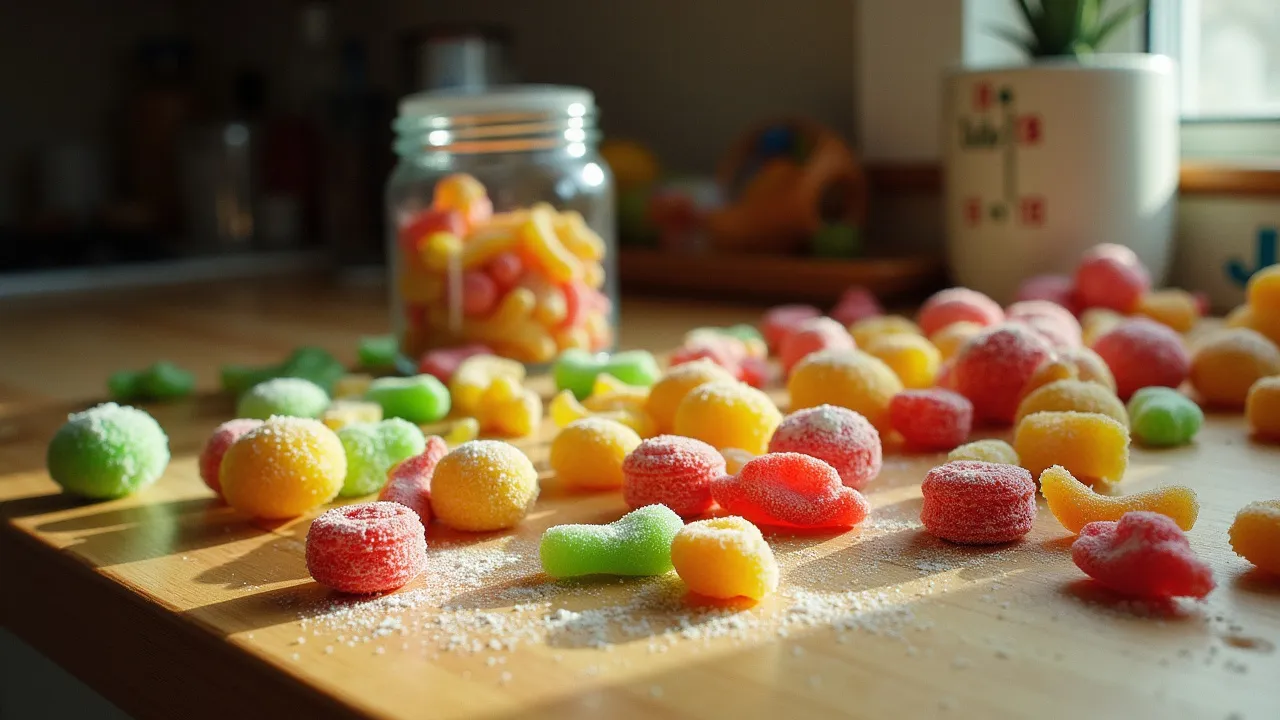
Celebrate National Sour Candy Day on July 18th! Discover the puckering history of sour sweets, from ancient souring agents to modern candy innovations, and learn how to enjoy this tangy holiday.
The Historical Origins & Evolutionary Journey
National Sour Candy Day, observed annually on July 18th, pays homage to the lip-puckering tang that has delighted taste buds for centuries. While the modern holiday is a relatively recent creation, the love for sour flavors dates back to ancient civilizations.
The Foundational Catalyst
The earliest known sour candy was likely a form of sour fruit leather or tamarind-based confections in ancient Asia and the Middle East. The use of citric acid, malic acid, and tartaric acid became prominent in the 19th century, allowing candymakers to create intense sour sensations. The first commercially mass-produced sour candy is often considered Lemonheads (introduced in 1962 by Ferrara Candy Company), but the category truly exploded with Warheads (1975) and Sour Patch Kids (1985, originally called Mars Men).
The Legislative/Official Adoption
National Sour Candy Day does not have a government proclamation but was established as a food holiday by candy enthusiasts and industry associations to promote sour confections. It gained traction in the early 2000s through social media and candy blogs. The exact founder remains anonymous, but it is widely recognized in candy-centric calendars.
Modern Global Legacy
Today, sour candy is a multi-billion dollar market, with innovations such as extreme sour powders, sour gummies, and sour-filled chocolates. The day is celebrated worldwide with tastings, DIY recipes, and social media challenges.
How to Celebrate National Sour Candy Day
Individual and Family Celebrations
- Sour candy tasting party: Gather an assortment of sour candies from different brands and rate them on the 'pucker scale'.
- DIY sour candy making: Make your own sour gummies or sour powder coatings using citric acid and sugar.
- Sour candy cocktails or mocktails: Use sour candies as garnishes or rim dips for drinks.
School and Corporate Celebrations
- Organize a 'Sour Challenge' where participants try to keep a sour candy in their mouth without making a face.
- Host a bake-off using sour candies as ingredients (e.g., sour patch brownies).
- For offices: set up a sour candy bar with sharing jars.
Global Variations
- Japan: Enjoy super sour candies like Puccho or Kororo, often with a fizzy center.
- UK: Favorites include Fizzy Fangs and Sour Squirms.
- Mexico: Try Pulparindo or Rellerindos with chili and tamarind sourness.
Remember to drink water to neutralize acidity and protect your teeth.
The Science Behind the Sour Sensation
Sour taste is detected by taste buds on the tongue that respond to hydrogen ions (acids). Citric acid is the most common souring agent in candy, but malic acid and tartaric acid provide longer-lasting sourness. Some candies use a sour powder coating that contains acids and sugar, which dissolves quickly for an initial punch followed by sweetness.
Why We Love Sour Candy
Studies suggest that the appeal of sour candy is linked to a 'controlled risk' sensation—the shock of sourness is followed by a sweet reward, triggering dopamine release. This is why sour candy is often marketed as an 'extreme' experience.
Health Considerations
Frequent consumption of sour candy can erode tooth enamel due to high acid content. It's recommended to eat them in moderation, rinse with water afterward, and avoid brushing immediately after eating.
Impact on the Candy Industry
The rise of sour candy has driven innovation in the confectionery industry. Manufacturers have developed new sour technologies like dual-layer gummies (sour outside, sweet inside) and encapsulated acids that release slowly. The demand for extreme sourness led to the creation of 'liquid sour' candies and even sour sprays.
Economic Impact
- Market size: The global sour candy market was valued at approximately $2.3 billion in 2023 and is projected to grow at a CAGR of 4.5% through 2030.
- Key players: Ferrara Candy (Warheads, Lemonheads), Mondelez (Sour Patch Kids), Hershey (Ice Breakers Sours), and many regional brands.
Social media trends like 'sour candy challenges' have further boosted sales and brand engagement.
Popular Sour Candies and Their Stories
- Warheads: Created in 1975 by the now-defunct Leaf Brands. Their sour coating uses malic acid and citric acid. The brand was revived by Impact Confections in the 1990s.
- Sour Patch Kids: Originally called Mars Men in 1985, rebranded in 1990. They are soft gummy candies with a sour sugar coating.
- Lemonheads: Introduced in 1962, these are hard candies with a sour lemon center. They were the first mass-produced sour candy in the US.
- Skittles Sour: Launched in 2000, these are sour versions of the original fruit chews.
- Toxic Waste: A brand known for extreme sourness, introduced in 2005 with a warning label.
Each of these candies has a unique history and has contributed to the sour candy craze.
Global Traditions and Unique Sour Confections
Different cultures have their own take on sour candy. In India, sour candies often include amla (Indian gooseberry) or imli (tamarind). In China, hawthorn fruit is used to make sour sweets. Scandinavian sour candies, like Saltlakrids, combine sour with salty licorice.
Unique Regional Varieties
- Japan: Super sour candies like Otoko Ume (pickled plum candy) and Kuchidoke.
- Germany: Saure Zungen (sour tongues) and Saure Gurken (sour gummy cucumbers).
- Brazil: Bala de Tamarindo (tamarind candy) often with chili.
National Sour Candy Day encourages exploring these international treats.
DIY Sour Candy Recipes and Experiments
Homemade Sour Gummy Bears
Recipe: Combine 1 cup fruit juice, 2 tablespoons gelatin, and 1-2 teaspoons citric acid. Heat gently, pour into molds, and refrigerate. Toss in a mixture of sugar and citric acid for sour coating.
Sour Powder (Fizz Powder)
Mix 1 part citric acid, 2 parts sugar, and optional flavoring (e.g., lemon zest). Use as a dip for fruit or to coat candies.
Experiment: The Sourness Scale
Create a homemade pH indicator using red cabbage juice. Test different candies to see which is most acidic. This is a fun educational activity for children.
Always handle citric acid with care to avoid skin irritation.
Debates and Controversies: Health vs. Pleasure
While National Sour Candy Day is a celebration, it also brings attention to the health concerns associated with acidic candies. Dentists warn about enamel erosion and cavities. Some countries have considered warning labels on extreme sour candies.
Safe Consumption Tips
- Limit intake to a few pieces.
- Rinse mouth with water after eating.
- Wait 30 minutes before brushing teeth.
- Choose candies with less stickiness (e.g., hard sour candies are less harmful than gummy ones).
The candy industry has responded by offering 'sour but sugar-free' options and using less aggressive acids.
Historical Timeline
Early civilizations use naturally sour ingredients like tamarind, citron, and sumac to create tart confections.
Ferrara Candy Company introduces Lemonheads, the first mass-produced sour hard candy in the United States.
Leaf Brands launches Warheads, a super sour hard candy with a malic acid coating.
Sour Patch Kids (originally Mars Men) are introduced in Canada by Jaret International.
Skittles launches Sour Skittles, popularizing sour chewy candies.
Toxic Waste candy is introduced, boasting extreme sourness with a warning label.
National Sour Candy Day is established as an unofficial food holiday, celebrated on July 18th.
Social media drives viral sour candy challenges, increasing brand engagement and sales.
Global sour candy market reaches $2.3 billion, with innovations like sour sprays and liquid centers.
Upcoming National Sour Candy Day expected to feature limited-edition flavors and global tasting events.