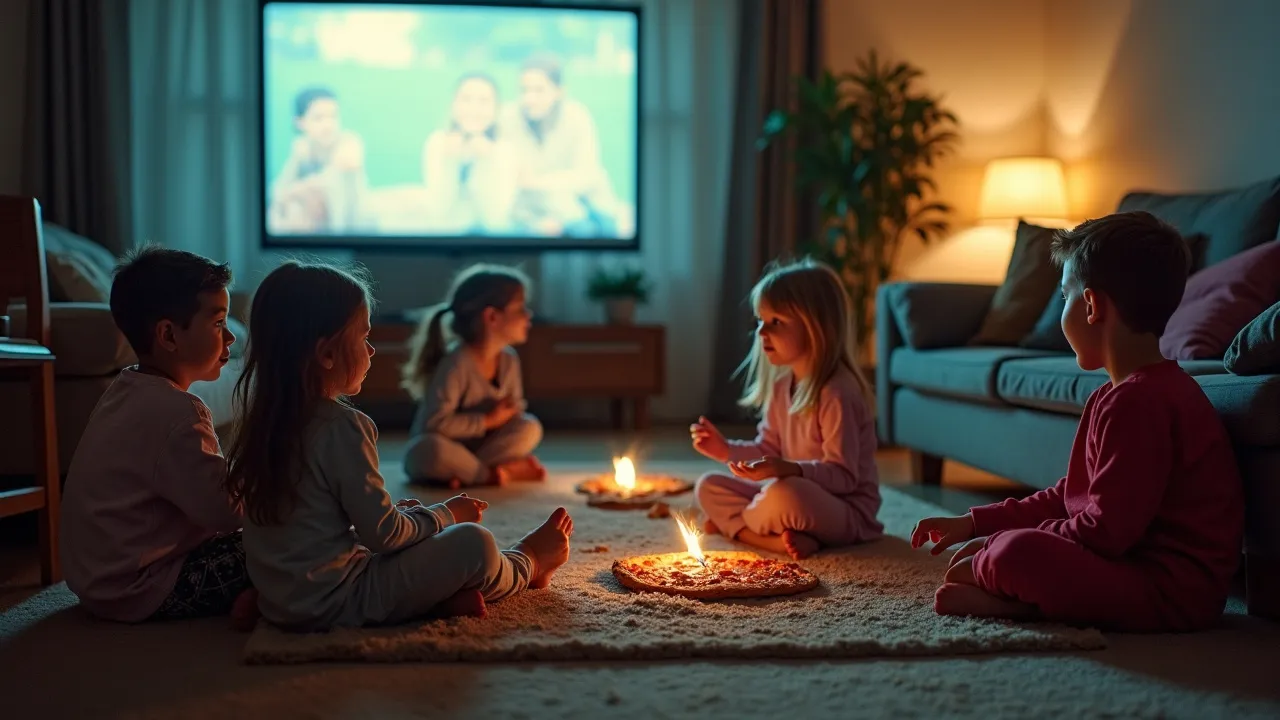
National Sleepover Day, celebrated annually on May 9th, honors the cherished tradition of sleepovers. It’s a day for friends to gather, share stories, play games, and strengthen bonds through overnight fun.
The Historical Origins & Evolutionary Journey
National Sleepover Day, observed on May 9th, traces its roots to informal social gatherings that have existed for centuries. The modern sleepover, however, became a cultural phenomenon in the mid-20th century, particularly in the United States.
The Foundational Catalyst
Sleepovers originated as simple overnight visits between friends, often during childhood or adolescence. They gained popularity in the 1950s and 1960s as suburban sprawl and increased leisure time allowed children to socialize outside school hours. The term "sleepover" entered common parlance in the 1960s, replacing older terms like "stay-over" or "slumber party."
The Official Adoption
National Sleepover Day was officially established by the National Day Calendar in the early 2000s to recognize and preserve this beloved tradition. While not a public holiday, it has been embraced by schools, community centers, and families across the United States. The date May 9th was chosen to coincide with the end of the school year in many regions, making it a perfect time for end-of-year celebrations.
Modern Global Legacy
Although the day is primarily observed in North America, sleepover culture has spread globally. In countries like Japan, sleepovers (called otonajikan) have become popular among teenagers, while in Europe, sleepovers are often part of birthday traditions. The day now serves as a reminder of the importance of friendship and unstructured play in a digital age.
How to Celebrate National Sleepover Day
National Sleepover Day offers endless possibilities for fun and bonding. Here is the ultimate guide to hosting the perfect sleepover, with ideas for individuals, families, schools, and organizations.
Planning the Event
Start by setting a guest list and sending invitations—digital or handmade. Plan a schedule that balances structured activities and free time. Consider themes like movie night, pajama party, or a camp-in.
Essential Activities
Include a mix of classic and creative activities:
- Movie Marathon: Select a series of films with a common genre or franchise. Provide popcorn and cozy blankets.
- Board Games & Video Games: Break out classics like Monopoly, Uno, or collaborative video games like Mario Kart.
- Storytelling & Ghost Stories: Gather in a circle and share spooky tales—flashlights optional!
- DIY Crafts: Friendship bracelets, tie-dye pajamas, or pillow decorating.
Food & Snacks
Set up a snack bar with finger foods: pizza, nachos, candy, and soda. For a healthier twist, offer fruit skewers and popcorn. Midnight snacks are a must!
Global Variations
Celebration styles vary worldwide:
- United States: Favors laser tag, karaoke, and late-night talks.
- United Kingdom: Often includes a "fancy dress" theme and a full English breakfast the next morning.
- Japan: Focuses on group games like karuta (card game) and karaoke.
- Australia: Backyard camping sleepovers with barbecues and stargazing.
Corporate & Community Events
Schools can organize "reading sleepovers" to promote literacy. Businesses can host team-building pajama parties. Community centers may offer overnight lock-ins with supervised activities.
The Social & Psychological Benefits of Sleepovers
Sleepovers are more than just fun—they play a crucial role in social development. Research indicates that sleepovers help build essential life skills.
Strengthening Friendships
Spending extended time together outside of school fosters deeper connections. Children learn to share, negotiate, and resolve conflicts in a low-stakes environment.
Encouraging Independence
Sleeping away from home for the first time helps children develop self-reliance and coping skills. It teaches them to adapt to new routines and environments.
Promoting Creativity
Unstructured play during sleepovers sparks imagination. Whether building forts or inventing games, children engage in creative problem-solving.
Reducing Screen Time
In an era of digital saturation, sleepovers encourage face-to-face interaction. They provide a break from screens and help improve social intelligence.
Sleepover Safety & Etiquette Guide
Hosting a safe and respectful sleepover requires clear guidelines for hosts and guests. Follow these rules to ensure a positive experience for everyone.
For Hosts
- Set Boundaries: Establish quiet hours and no-go areas in the house.
- Allergies & Dietary Needs: Ask about food allergies and restrictions in advance.
- Supervision: Have an adult available, but give kids space for privacy.
- Emergency Plan: Keep contact numbers handy and discuss emergency procedures.
For Guests
- Be Polite: Respect the host's home and rules.
- Bring Supplies: Pack a sleeping bag, pillow, toiletries, and a change of clothes.
- Communicate: If homesick, talk to a parent or the host—there's no shame.
- Clean Up: Always help tidy up before leaving the next morning.
Digital Etiquette
With phone cameras prevalent, ask permission before posting photos online. Maintain privacy and respect others' comfort levels.
Regional Date Variations & Unique Traditions
While National Sleepover Day is officially May 9th in the United States, many regions and cultures celebrate similar traditions on different dates. This section explores notable variations.
United States
May 9th is the standard date, often falling near the end of the academic year. Sleepovers are commonly tied to birthdays, holidays, or end-of-season celebrations.
United Kingdom & Ireland
Sleepovers (called "sleepovers" or "slumber parties") are not tied to a specific national day, but many schools host "pyjama days" for charity in late spring. Some families celebrate on the last day of term.
Japan
Sleepovers (otonajikan) are popular among high school students, often occurring during summer break (August). They typically involve group activities like visiting onsen (hot springs) or karaoke.
Australia & New Zealand
Sleepovers are often held during the long summer holidays (December–February) and incorporate outdoor elements like camping and barbecue dinners.
Latin America
Pijamadas (pajama parties) are common for birthdays and quinceañeras, often on weekends near the celebrant's birthday. No fixed national date.
The Economics & Industry Impact of Sleepover Culture
Sleepovers drive significant consumer spending on food, entertainment, and sleepover supplies. This section examines the economic ripple effects.
Consumer Goods
Sales of sleeping bags, pajamas, and snack foods spike around May 9th and during summer months. Retailers like Target and Walmart often run sleepover-themed promotions.
Entertainment Industry
Streaming services see increased viewership during sleepovers. Studios release family-friendly movies in early May to capitalize on the tradition. Board game sales also surge.
Event Planning Services
Professional sleepover planners and rental companies (e.g., for inflatable movie screens) have emerged in urban areas. These services cater to parents wanting to host elaborate events.
Charitable Angle
Many schools use sleepover-themed fundraising events, like "read-a-thons" or "camp-in" nights, to raise money for libraries or community programs.
Digital Age & Virtual Sleepover Trends
Technology has transformed sleepovers, offering both challenges and opportunities. This section explores how virtual elements have integrated into the tradition.
Virtual Sleepovers
During the COVID-19 pandemic, video call platforms like Zoom hosted virtual sleepovers. Kids played online games, watched movies simultaneously using browser extensions, and ate dinner together remotely.
Gaming & Social Media
Multiplayer online games like Fortnite and Minecraft are now staples of digital sleepovers. Social media platforms like TikTok share sleepover challenges and tutorials.
Balancing Tech & Tradition
Many parents enforce "no phone" rules during parts of the sleepover to encourage real-world interaction. However, technology can enhance the experience when used mindfully, such as creating a shared playlist or digital photo album.
Future of Sleepovers
Augmented reality (AR) glasses and haptic feedback suits may soon allow interactive virtual sleepovers with sensory experiences. Yet, the core value of togetherness remains unchanged.
Historical Timeline
Sleepovers become widely popular in suburban United States as a childhood social activity.
The term 'sleepover' enters common use, replacing older terms like 'stay-over'.
Sleepover-themed movies and TV shows (e.g., 'The Brady Bunch') popularize the concept.
Home video rental booms, making movie marathons a common sleepover activity.
Board games revival; sleepover parties often include games like Scrabble and Pictionary.
National Sleepover Day is established by the National Day Calendar, observed on May 9th.
Virtual sleepovers emerge with the rise of Skype and online multiplayer games.
COVID-19 pandemic spikes virtual sleepover popularity via Zoom and Houseparty.
National Sleepover Day gains recognition on social media with over 1 million mentions on TikTok.