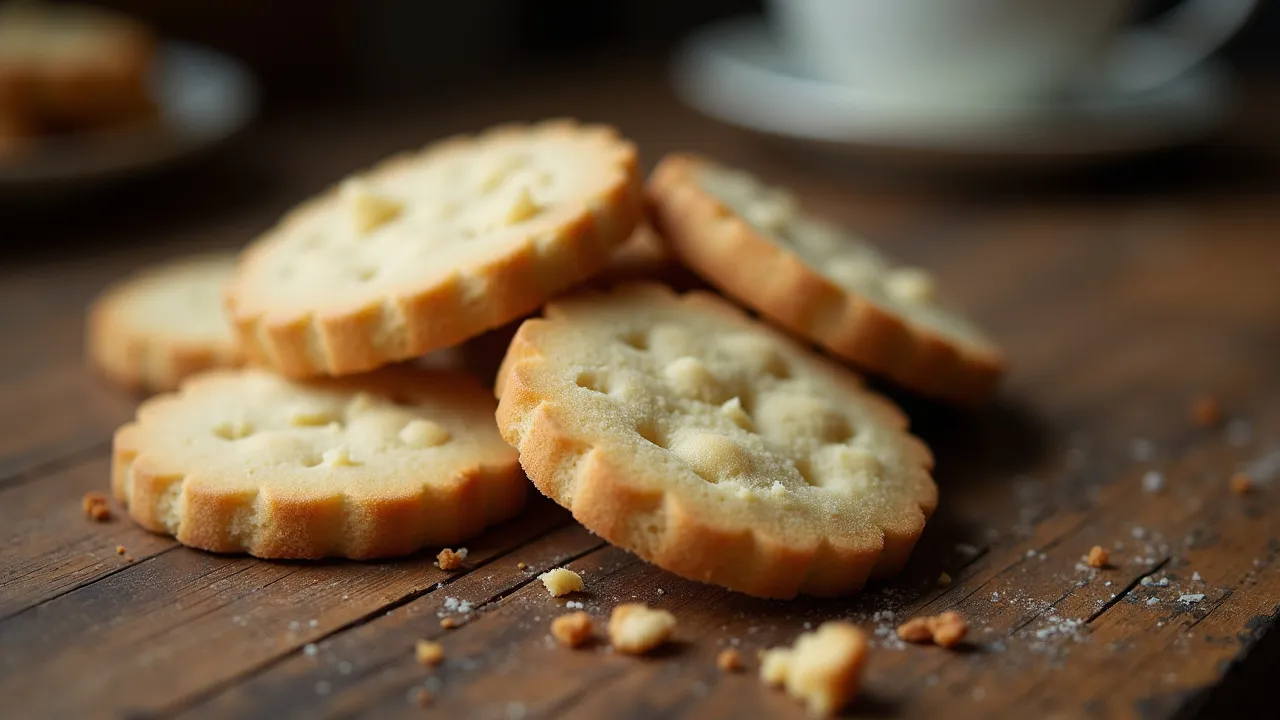
National Shortbread Day on January 6th celebrates the buttery, crumbly Scottish cookie. Discover its rich history, traditional recipes, and global variations in this comprehensive guide.
The Historical Origins & Evolutionary Journey
National Shortbread Day, observed annually on January 6th, honors one of Scotland's most iconic culinary exports. Shortbread's history dates back to medieval times, evolving from a simple biscuit into a global delicacy. This section explores its deep roots, official recognition, and modern significance.
The Foundational Catalyst: Medieval Roots
Shortbread originated in Scotland around the 12th century. It began as a twice-baked biscuit made from leftover bread dough, sweetened with honey or sugar, and often spiced. The first recorded recipe appeared in the 1736 cookbook "The Art of Cookery" by Mrs. Hannah Glasse, but the biscuit was already a staple in Scottish households. Shortbread's distinct crumbly texture comes from the high butter content, which was a luxury reserved for special occasions like Christmas, Hogmanay (New Year's Eve), and weddings.
The Legislative/Official Adoption: A National Symbol
Although no official government proclamation created National Shortbread Day, the day gained prominence in the early 2000s through marketing campaigns by Scottish shortbread makers such as Walkers, Dean's, and Paterson's. These companies leveraged January 6th—the day after Twelfth Night in some Christian traditions—to extend the festive season and promote shortbread as a year-round treat. In Scotland, shortbread is protected under EU law (Protected Geographical Indication) since 2010, ensuring that only biscuits made in Scotland can be labeled "Scottish Shortbread." This legal recognition cemented its cultural importance.
Modern Global Legacy
Today, National Shortbread Day is celebrated worldwide, from home bakers to commercial bakeries. Social media trends like #NationalShortbreadDay showcase creative variations—matcha, chocolate-dipped, gluten-free—while traditional bakers continue to honor the classic recipe. The day also supports Scottish tourism, with distilleries and heritage sites offering shortbread tastings.
How to Celebrate National Shortbread Day
Whether you're a seasoned baker or a novice, National Shortbread Day offers endless ways to indulge. Here's the ultimate global guide to celebrating this buttery holiday.
Best Practices for Home Bakers
- Master the Classic Recipe: Combine 1 part sugar, 2 parts butter, and 3 parts flour. Chill the dough, roll, and bake at 325°F until golden.
- Experiment with Variations: Add lavender, lemon zest, or sea salt. For vegan shortbread, replace butter with coconut oil.
- Decorate with Edible Flowers: Use dried rose petals or lavender buds pressed into the dough before baking.
Interactive Traditions & Social Rituals
- Shortbread Swap: Organize a neighborhood exchange of homemade shortbread varieties.
- High Tea Party: Serve shortbread with Earl Grey tea and clotted cream.
- Online Bake-Along: Join a live-streamed baking class featuring a Scottish chef.
Corporate & School Celebrations
- Office Cookie Contest: Employees compete for best shortbread recipe, with prizes for creativity.
- Classroom History Lesson: Teach children about Scottish culture and baking science.
- Charity Bake Sale: Donate proceeds to food banks or culinary schools.
Global Traditions
In Scotland, pubs serve shortbread with whisky. In Japan, matcha-flavored shortbread is popular. In the U.S., shortbread often appears in cookie tins during the holidays, but on January 6th, bakers showcase unique Frosted designs. Embrace local flavors to make the day your own.
Global Impact & Cultural Significance
Shortbread transcends borders, symbolizing comfort and hospitality. Its global journey reflects cultural exchange and economic influence.
Economic Contributions
The Scottish shortbread industry exports over £100 million annually, with top markets in the U.S., Canada, and Europe. National Shortbread Day boosts sales by 30% in January, as retailers feature limited-edition tins and gift sets.
Cultural Adaptations
- Mexico: Shortbread is called "galletas de mantequilla" and often flavored with cinnamon.
- India: Variations include cardamom and pistachio shortbread.
- Scandinavia: Similar to "sandkaker" but with a denser texture.
Social Media Influence
Hashtags like #ShortbreadDay generate millions of impressions, with influencers sharing recipes and decorating ideas. This digital celebration has sparked new interest among younger demographics.
Nutritional Profile & Health Considerations
Shortbread is a treat high in butter and sugar, but mindful consumption and ingredient swaps can make it part of a balanced diet.
Traditional Composition
A single shortbread cookie (about 15g) contains roughly 70 calories, 4g fat, and 4g sugar. The high saturated fat content from butter raises health concerns, but occasional indulgence is fine.
Healthier Alternatives
- Gluten-Free: Replace flour with almond or oat flour.
- Lower Sugar: Use monk fruit sweetener or reduce sugar by a third.
- Vegan: Substitute butter with coconut oil or vegan margarine.
Portion Control Tips
Enjoy shortbread as a small dessert after meals rather than a snack. Pair with unsweetened tea to balance flavors.
The Science of Shortbread Texture
Shortbread's iconic melt-in-the-mouth texture is a result of precise ingredient ratios and techniques.
Ingredient Roles
- Butter: Provides fat that coats flour proteins, preventing gluten formation. Use cold butter for flakiness.
- Sugar: Carboxyl groups interact with butter to create tender crumb. Use fine sugar for even distribution.
- Flour: Low-protein (e.g., cake flour) yields softer texture. Overworking dough activates gluten, causing toughness.
Baking Chemistry
At 325°F (163°C), butter melts slowly, releasing steam that creates air pockets. The Maillard reaction at 310°F produces golden edges. Cooling on the tray allows residual heat to crisp the cookies.
Common Mistakes
Overmixing: Causes gluten development → hard shortbread. Melting butter: Produces greasy, dense cookies. Baking too hot: Burns the edges before center is done.
Shortbread in Literature & Pop Culture
Shortbread appears in classic novels, films, and music, reinforcing its status as a comfort food.
Literary References
In Robert Burns' poem "The Cotter's Saturday Night," shortbread is served as a festive treat. J.K. Rowling's Harry Potter series mentions "shortbread" in feasts at Hogwarts.
Film & Television
In "Outlander," characters often share shortbread with tea. The song "Shortbread Biscuits" by Scottish folk band The Corries celebrates the cookie.
Holiday Traditions
Shortbread tins are a staple of Christmas and New Year celebrations in many countries, often repurposed as sewing boxes or storage.
Historical Timeline
Shortbread's ancestor, a twice-baked biscuit, is first created in Scotland using leftover bread dough.
The first known shortbread recipe is published in Hannah Glasse's 'The Art of Cookery'.
Walkers Shortbread is founded in Aberlour, Scotland, becoming a global brand.
Scottish Shortbread receives Protected Geographical Indication status from the EU.
Social media campaigns popularize National Shortbread Day on January 6th.