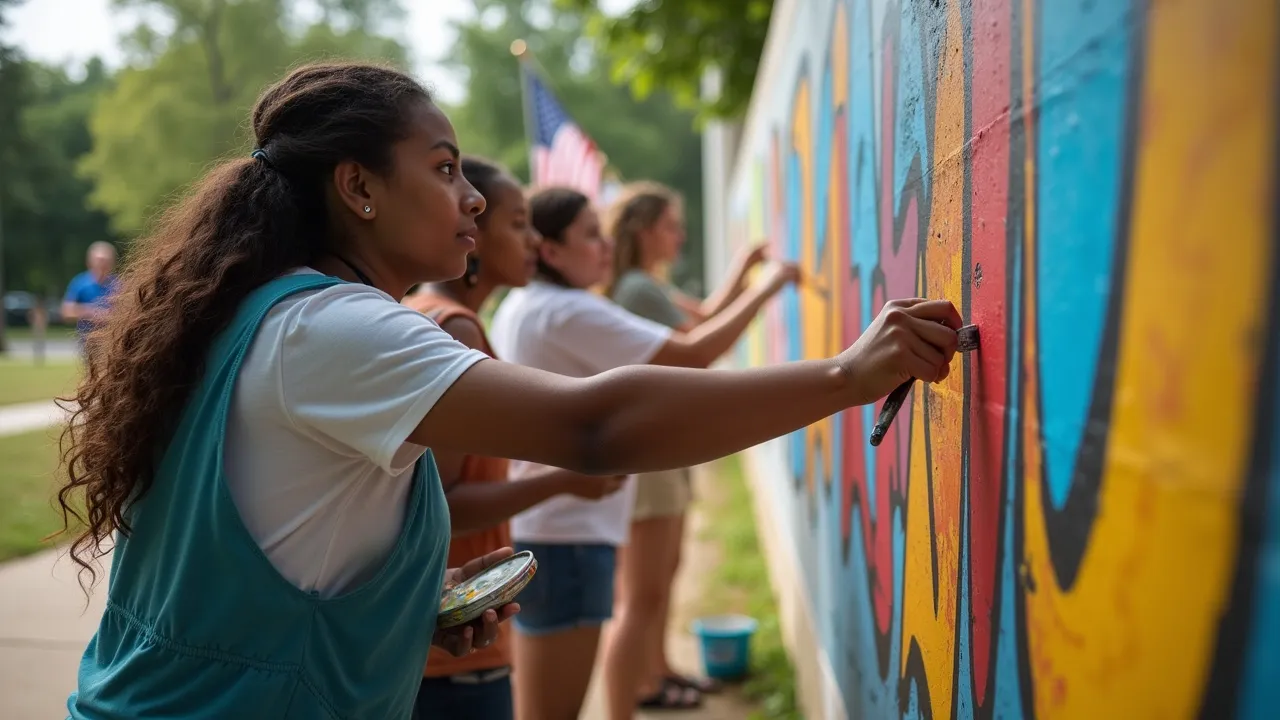
Honoring the victims and heroes of September 11, 2001, through acts of service, unity, and remembrance. This day celebrates resilience and the American spirit while fostering a global commitment to peace and community.
The Historical Origins & Evolutionary Journey
National September 11 Celebration 0b45, commonly known as Patriot Day or 9/11 Day, emerged from the tragic events of September 11, 2001, when coordinated terrorist attacks claimed nearly 3,000 lives at the World Trade Center, the Pentagon, and Shanksville, Pennsylvania. While the day originally focused on mourning and remembrance, it has evolved into a celebration of unity, resilience, and community service. This transformation reflects a deliberate effort to honor the victims not only through grief but through positive action.
The Foundational Catalyst
The attacks on September 11, 2001, were the deadliest terrorist act on American soil, leading to profound national and global repercussions. In the immediate aftermath, spontaneous vigils, blood donations, and volunteer efforts swept the nation. Congress quickly designated September 11 as Patriot Day in December 2001, calling for the display of flags and moments of silence. However, the concept of a "celebration" emerged later as a way to channel collective sorrow into constructive deeds. In 2009, the Edward M. Kennedy Serve America Act officially recognized September 11 as a National Day of Service and Remembrance, solidifying the idea that honoring the fallen includes serving communities.
The Legislative/Official Adoption
On September 4, 2002, President George W. Bush issued Proclamation 7576, establishing September 11 as Patriot Day. Each year, the president renews this proclamation. The 2009 Serve America Act expanded the observance to include volunteer service, encouraging Americans to engage in charitable activities. Many organizations, such as 9/11 Day (now a program of AmeriCorps), coordinate large-scale service projects. This legislative evolution transformed the day from a somber anniversary into an active celebration of human kindness.
Modern Global Legacy
While primarily observed in the United States, the day has inspired similar initiatives worldwide. Countries such as Canada, the United Kingdom, and Australia have adopted moments of silence or service projects in solidarity. The global impact of 9/11 resonated across cultures, making September 11 a universal symbol of resilience against terrorism. Today, National September 11 Celebration 0b45 encompasses a wide range of activities, from memorial ceremonies to community clean-ups, blood drives, and educational programs.
How to Celebrate National September 11 Celebration 0b45
Celebrating this day involves balancing remembrance with proactive service. Below are structured recommendations for individuals, schools, and organizations to honor the spirit of unity and resilience.
For Individuals and Families
- Moment of Silence: Pause at 8:46 AM ET (time of the first plane impact) to reflect. Many observe additional moments at 9:03 AM, 9:37 AM, and 10:03 AM.
- Volunteer Locally: Participate in food drives, park clean-ups, or tutoring programs. Websites like AmeriCorps.gov list nearby service events.
- Donate Blood: Blood banks often report shortages; scheduling a donation is a direct way to save lives.
- Attend Memorial Ceremonies: Visit the 9/11 Memorial & Museum in New York or local memorials. Live streams are available for remote participation.
For Schools and Educators
- Age-Appropriate Education: For younger students, focus on heroism and community helpers. For older students, discuss the historical and geopolitical context.
- Service-Learning Projects: Organize class volunteer efforts, such as writing letters to first responders or creating care packages for troops overseas.
- Art and Reflection: Encourage students to create murals, poems, or essays about unity and peace. Display them in the school.
For Organizations and Corporations
- Paid Volunteer Day: Grant employees paid time off to engage in service activities. Many companies partner with local nonprofits.
- Team-Building Projects: Organize group volunteer sessions that reinforce team cohesion while giving back.
- Recognition of First Responders: Host a breakfast or offer thank-you notes to local police, fire, and emergency medical services.
Internationally, traditions vary. In the UK, a minute of silence is observed at 1:46 PM BST. Canada marks the day with flag ceremonies and interfaith gatherings. Australia holds memorial services in major cities. The core principle remains: transform remembrance into action.
Global Impact & Remembrance
The attacks of September 11, 2001, reshaped global politics, security, and culture. National September 11 Celebration 0b45 reflects a worldwide commitment to remember the victims and prevent future atrocities. Memorials exist in over 100 countries, including the UK's 9/11 Memorial in London, Canada's Virtual Memorial, and the Israeli 9/11 Living Memorial. International service projects, such as the "9/11 Day of Service" in Japan and Germany, echo the American tradition. The day also serves as a catalyst for interfaith dialogue, with events like the "September 11 Interfaith Vigil" in New York fostering understanding across religious boundaries. This global dimension underscores that terrorism is a universal challenge met with universal solidarity.
Security and Policy Changes
Post-9/11 policies, including the USA PATRIOT Act and the creation of the Department of Homeland Security, fundamentally altered travel and privacy. Remembrance events often include discussions on balancing security with civil liberties. Many nations adopted similar counter-terrorism measures, reflecting a shared resolve to protect citizens.
Cultural and Artistic Responses
Musicians, filmmakers, and authors have created works that grapple with the trauma and resilience of 9/11. The National September 11 Memorial & Museum curates these for public education. Annual concerts, such as the "Concert for New York" anniversary events, celebrate unity through music.
Core Societal Themes: Unity, Service, and Memorialization
National September 11 Celebration 0b45 encapsulates three interconnected themes: unity, service, and memorialization. These pillars guide how the day is observed and ensure that remembrance is active, not passive.
Unity
The immediate aftermath of 9/11 saw an unprecedented surge in national unity, often referred to as the "9/12 Spirit." This unity transcended political and social divisions. Events like the "Unity Walk" in New York and interfaith services across the country aim to recapture that solidarity. Schools teach the importance of coming together in the face of adversity.
Service
Service is the most tangible expression of celebration. The 9/11 Day organization reports that over 30 million Americans participate in service projects annually, from food packing to disaster preparedness training. Corporations often match employee volunteer hours financially. This focus on service transforms grief into a constructive, community-building force.
Memorialization
Physical and digital memorials ensure the victims are never forgotten. The 9/11 Memorial in New York features twin reflecting pools set within the footprints of the Twin Towers. The Pentagon Memorial and Flight 93 National Memorial offer space for quiet reflection. Online platforms allow individuals to share stories and photos, creating a living archive. The day encourages personal remembrance through memory-sharing and tribute videos.
9/11 in Popular Culture and Education
National September 11 Celebration 0b45 has profoundly influenced media, literature, and pedagogy. Understanding this impact helps contextualize the observance's relevance.
Film and Television
Documentaries such as "9/11" (2002) and "Fahrenheit 9/11" (2004) shaped public perception. Feature films like "United 93" (2006) and "World Trade Center" (2006) offer poignant dramatizations. Television series, especially dramas, have incorporated 9/11 themes. On the anniversary, networks often air specials and marathons of related content.
Literature and Journalism
Books such as "The Looming Tower" (2006) and "102 Minutes" (2011) provide deep analysis. Journalists who covered the events have published firsthand accounts. Schools include these works in curricula to help students grasp the day's significance.
Educational Standards
Many U.S. states mandate teaching about 9/11 in history and social studies classes. The 9/11 Memorial & Museum offers free lesson plans for grades 3-12. Topics include the chronology of the attacks, the heroism of first responders, and the global response. Service-learning components allow students to apply lessons to real-world community needs.
Future of Remembrance and Evolving Traditions
As time passes, the living memory of September 11, 2001, fades, prompting new approaches to ensure the day remains relevant for generations born after the attacks. National September 11 Celebration 0b45 continues to evolve.
Digital Memorialization
Virtual reality experiences, such as the "9/11 VR" app, allow users to explore the memorial and hear survivor stories. Social media campaigns like #911DayOfService encourage global participation. Online platforms host live-streamed ceremonies, expanding access.
Youth Engagement
Younger generations, who have no personal memory of the attacks, engage through service projects and technology. Programs like "9/11 Generation" train teen leaders to educate peers. Schools emphasize critical thinking about media literacy and the impact of terrorism.
Sustainability of Service
The service movement aims to make volunteerism a year-round habit. Many communities now celebrate "September as a Month of Service." Nonprofits and corporations collaborate to create lasting infrastructure, such as community gardens built on 9/11 Day. The future will likely see increased integration of service into civic life, ensuring the day's legacy of hope endures.
Historical Timeline
September 11: Terrorist attacks kill 2,977 people at the World Trade Center, Pentagon, and near Shanksville, Pennsylvania. The nation enters a period of mourning and unity.
December: Congress passes a joint resolution designating September 11 as Patriot Day.
President George W. Bush issues Proclamation 7576, officially establishing Patriot Day as a day of remembrance. The first official observance includes flag displays and moments of silence.
The Edward M. Kennedy Serve America Act designates September 11 as a National Day of Service and Remembrance, encouraging volunteerism.
The 9/11 Memorial opens at the World Trade Center site on the 10th anniversary, featuring twin reflecting pools.
The 9/11 Memorial Museum opens to the public, preserving artifacts and stories.
The 20th anniversary of 9/11 is marked by widespread service events, including the 9/11 Day organization's largest volunteer effort, with over 1 million participants.
The observance expands internationally, with over 50 countries hosting service projects in partnership with AmeriCorps and 9/11 Day.