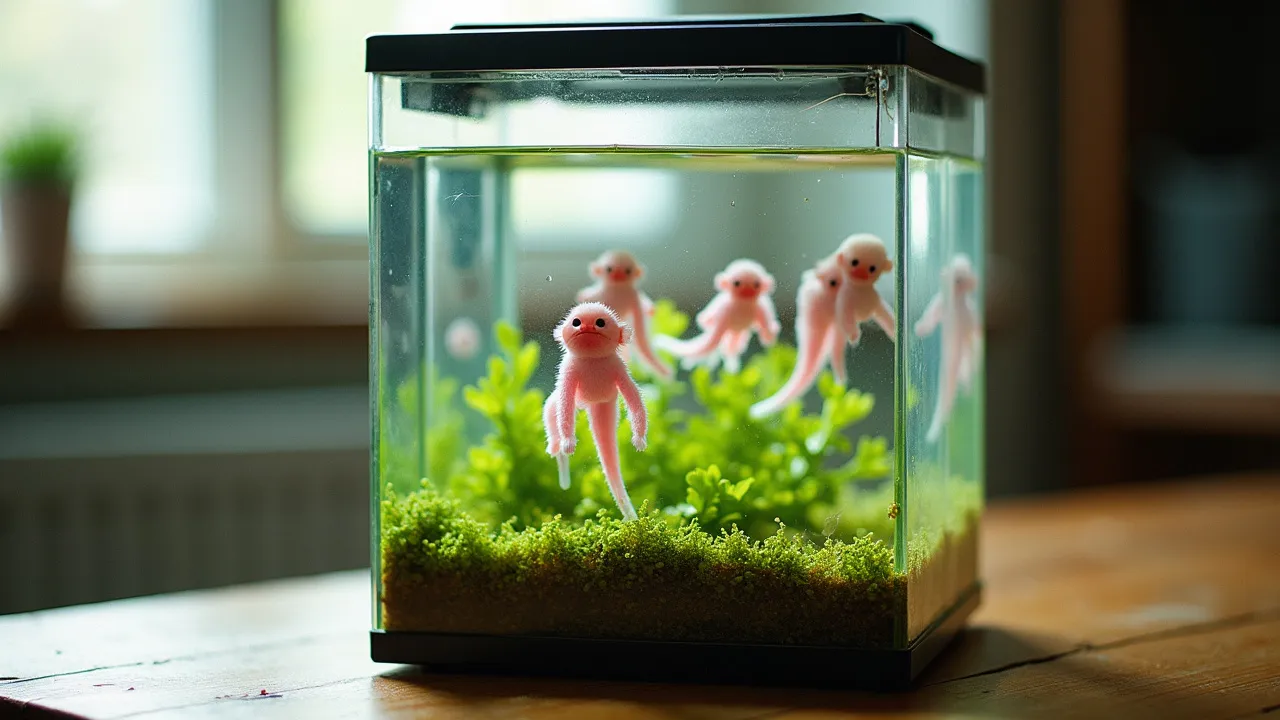
National Sea Monkey Day on May 16th celebrates the beloved novelty pets that captivated generations. These tiny brine shrimp, marketed as Sea-Monkeys, have a fascinating history and continue to spark curiosity.
The Historical Origins & Evolutionary Journey
National Sea Monkey Day, observed on May 16th, honors one of the most iconic novelty pets in history: Sea-Monkeys. These tiny brine shrimp (Artemia salina) have been marketed for decades as instant pets that hatch from eggs in water. The day traces its roots back to the mid-20th century when a savvy inventor turned a scientific curiosity into a pop culture phenomenon.
The Foundational Catalyst: Harold von Braunhut
In 1957, Harold von Braunhut, an American inventor and marketer, patented the concept of selling brine shrimp eggs as instant pets. He named them Sea-Monkeys after observing their playful movements. The first kits included a small tank, eggs, and nutrient packets. Von Braunhut promoted them heavily through comic book ads in the 1960s and 1970s, featuring whimsical illustrations of the shrimps as tiny humanoid creatures with crowns and tails.
The Marketing Phenomenon
The product became a massive hit due to its low price and the allure of 'instant life.' The famous comic book ads promised 'amazing, live, real Sea-Monkeys' and sparked the imagination of millions of children. Over the years, the packaging and marketing evolved, but the core product remained the same. The day itself was likely established by the company (Transcience Corporation) or by fan communities to commemorate the enduring legacy of these quirky pets.
Modern Global Legacy
Today, Sea-Monkeys are still sold worldwide, often as educational toys in biology classes. They have appeared in movies, TV shows, and internet memes. National Sea Monkey Day serves as a nostalgic reminder of childhood wonder and a celebration of the simple joy of observing life in a jar.
How to Celebrate National Sea Monkey Day
National Sea Monkey Day is the perfect opportunity to engage with these fascinating creatures. Whether you're a longtime enthusiast or a curious newcomer, there are many ways to participate. Below are specific, actionable ideas for individuals, schools, and organizations.
For Individuals and Families
- Start a Sea-Monkey Colony: Purchase a kit or gather supplies (brine shrimp eggs, salt, water, container). Follow the instructions to hatch your own pets and observe their life cycle.
- Document the Process: Take daily photos or videos to create a time-lapse of their growth. Share on social media with hashtag #NationalSeaMonkeyDay.
- Host a Viewing Party: Invite friends to watch the tiny creatures swim. Provide magnifying glasses and discuss the science behind brine shrimp.
For Schools and Educators
- Classroom Hatchery: Set up a tank as a science project. Teach students about life cycles, habitats, and the difference between Artemia and true monkeys!
- Art and Writing Assignments: Have students draw their ideal Sea-Monkey or write a story about a Sea-Monkey's adventures.
- Biology Lesson: Discuss the adaptations of brine shrimp to high-salinity environments and their role in the ecosystem.
For Organizations and Hobbyists
- Host a Contest: The largest, oldest, or most colorful colony wins a prize.
- Community Workshop: Offer a workshop on maintaining a healthy Sea-Monkey habitat.
- Online Forum Events: Participate in Reddit's r/SeaMonkeys or Facebook groups with live Q&A sessions.
No matter how you celebrate, the goal is to appreciate these tiny creatures and the nostalgia they bring.
The Science Behind Brine Shrimp
Sea-Monkeys are actually Artemia salina, a species of brine shrimp that have been studied for centuries. They are not true monkeys—the name is purely marketing. Here's the science that makes them fascinating.
Life Cycle and Hatching
Brine shrimp eggs can remain dormant for years. When placed in salt water (specific gravity around 1.02-1.04), they hatch into nauplii within 24-48 hours. The nauplii molt several times before becoming adults. Under optimal conditions (temperature 25-30°C, aeration, food), they can live up to 6 months.
Adaptations for Extreme Environments
Artemia thrive in salt lakes and evaporation ponds where predators cannot survive. They can tolerate salinity up to 300 parts per thousand. Their blood contains hemoglobin to carry oxygen in low-oxygen waters.
Uses in Science and Aquaculture
Brine shrimp are widely used as live food for aquarium fish and as test organisms in ecotoxicology. They are also used in astronaut experiments due to their ability to survive extreme conditions.
Understanding the true nature of Sea-Monkeys adds a layer of educational value to the celebration.
Cultural Impact and Pop Culture
Sea-Monkeys have left a permanent mark on American pop culture. From comic book ads to modern memes, they have endured as a symbol of cheap, quirky science.
Advertising Hall of Fame
The original comic book ads featuring Sea-Monkeys are iconic. They promised 'amazing instant pets' with exaggerated illustrations of crowned shrimp. These ads appeared in every major comic book from the 1960s to the 1980s, making Sea-Monkeys one of the most successful mail-order products of the era.
In Movies and TV
Sea-Monkeys have been referenced in The Simpsons, Friends, and Stranger Things. They also appeared in movies like Coraline (as the Other Father's creation) and Shaun of the Dead. Their small size and otherworldly name make them perfect for quirky cameos.
Internet Revival
In the 2000s, nostalgia-driven Reddit communities and YouTube channels revived interest. Unboxing videos, colony failures, and recovery stories abound. National Sea Monkey Day helps sustain this online community.
Collecting and Hobbyist Culture
There is a dedicated community of Sea-Monkey collectors and hobbyists. They trade tips, rare eggs, and vintage kits.
Varieties and Cultivars
Over the years, Transcience Corporation released different varieties: Sea-Monkeys (original), Super Sea-Monkeys (larger), and Plasma Sea-Monkeys (supposedly bioluminescent, though this is unconfirmed). Some rare kits from the 1970s are collectible.
Tips for a Thriving Colony
- Use distilled water and synthetic sea salt mix.
- Maintain temperature between 22-28°C.
- Feed sparingly with yeast or spirulina powder.
- Provide gentle aeration with a pipette.
- Clean tank monthly to prevent algal blooms.
Online Communities
Join Reddit's r/SeaMonkeys, Facebook groups like 'Sea Monkey Keepers', and forums on AquariumAdvice. Members often trade eggs and share breeding secrets.
Common Myths and Misconceptions
Despite their popularity, Sea-Monkeys are surrounded by myths. This section debunks the most common ones.
Myth 1: Sea-Monkeys Are Real Monkeys
They are brine shrimp, not primates. The name is purely marketing. They have no relation to monkeys whatsoever.
Myth 2: They Come with a Hidden Kingdom
The advertisements sometimes showed tiny castles or underwater cities. In reality, Sea-Monkeys do not build structures. They simply swim.
Myth 3: They Are Easy to Keep Alive
Many children were disappointed when their Sea-Monkeys died quickly. Proper care requires salinity control, feeding, and temperature. They are not 'no maintenance' pets.
Myth 4: The Eggs Are Dead or Fake
Some buyers assumed the eggs were inert. In fact, the eggs can remain dormant for years; they need specific conditions to hatch. Patience is key.
Understanding these myths helps ensure a more successful and educational experience.
Historical Timeline
Harold von Braunhut patents the concept of selling brine shrimp eggs as instant pets, naming them Sea-Monkeys.
Sea-Monkeys become a sensation through full-page comic book advertisements, featuring whimsical illustrations of crowned shrimp.
Peak popularity; millions of kits sold. New varieties like Super Sea-Monkeys introduced.
Sales decline as electronic toys gain popularity, but the brand remains in catalogs.
Nostalgic adults rediscover Sea-Monkeys via online forums. Transcience Corporation continues production.
National Sea Monkey Day first observed, likely created by the company to boost sales and nostalgia.
Sea-Monkeys appear in the film 'Coraline', introducing them to a new generation.
YouTube and Reddit communities revive interest; educational use in schools increases.
Pandemic isolation leads to a surge in home hobby kits, including Sea-Monkeys.
National Sea Monkey Day continues to be celebrated worldwide with online events and new kit releases.