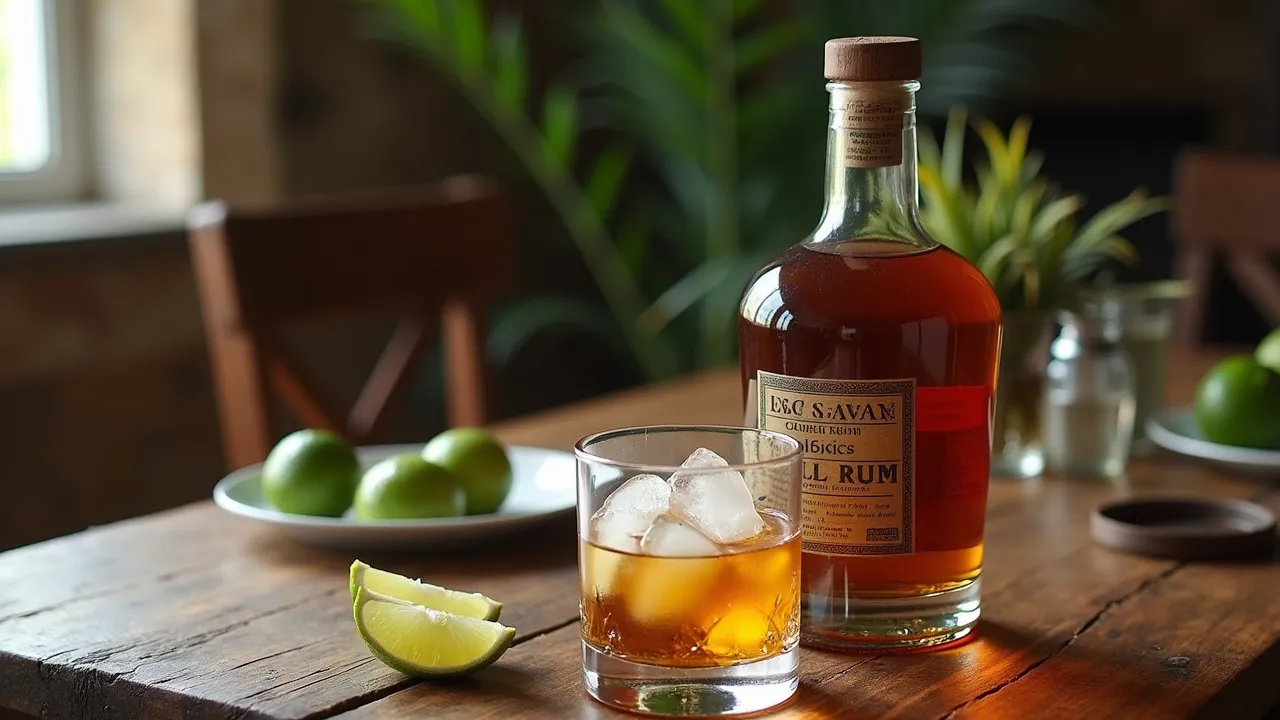
National Rum Day, observed on August 16th, honors the history and cultural significance of rum. From Caribbean distilleries to modern tiki bars, it's a day to savor this versatile spirit through tastings, cocktails, and celebrations.
The Historical Origins & Evolutionary Journey
National Rum Day, celebrated annually on August 16th, pays tribute to one of the world's oldest and most storied distilled spirits. Rum's journey began in the Caribbean in the 17th century, where sugarcane plantation workers discovered that molasses—a byproduct of sugar production—could be fermented and distilled into a potent drink. This humble beginning sparked a global phenomenon that would shape economies, cultures, and even revolutions.
The Foundational Catalyst
The first recorded production of rum dates back to the 1620s on the island of Barbados, where enslaved Africans and European colonists experimented with pot stills. By the mid-1600s, rum became a vital commodity in the triangular trade: African slaves were exchanged for Caribbean rum and molasses, which were then traded for goods in Europe. Rum was also issued as rations to sailors in the British Royal Navy from 1655 until 1970—a tradition known as the 'tot' of rum.
Legislative and Official Adoption
While National Rum Day has no official government proclamation, it was recognized by the Distilled Spirits Council of the United States (DISCUS) around 2009 to boost summer sales and celebrate American cocktail culture. The date August 16th coincides with the peak of the summer season, a time when light and dark rums are popular in tropical mixed drinks.
Modern Global Legacy
Today, rum is produced in over 80 countries, with major styles including White, Gold, Dark, Aged, and Overproof. The craft rum movement has revived traditional pot still techniques, while spiced and flavored rums attract new generations. The day encourages exploration of classic cocktails like the Mojito, Piña Colada, and Daiquiri, as well as sipping aged rums neat.
How to Celebrate National Rum Day
Whether you're a rum connoisseur or a curious novice, National Rum Day offers endless possibilities. Here are actionable ways to join the festivities, reflecting traditions across the globe.
Personal Celebrations
- Host a Rum Tasting: Gather friends and sample 3-5 rums from different regions (e.g., Puerto Rico, Jamaica, Barbados, Guatemala). Use scorecards to rate aroma, flavor, and finish.
- Mix Classic Cocktails: Master the Mojito (muddle mint, lime, sugar, white rum, soda), the Daiquiri (rum, lime, simple syrup), or a Dark 'n' Stormy (dark rum, ginger beer).
- Try Rum Pairings: Pair aged rum with dark chocolate, cigars, or Caribbean cuisine (jerk chicken, plantains).
- Visit a Distillery: Many distilleries offer virtual or in-person tours. Check out Bacardi in Puerto Rico, Mount Gay in Barbados, or Privateer in Massachusetts.
Community and Social Rituals
- Bar Crawls: Sign up for organized events where participating bars feature special rum cocktails and discounts.
- Online Workshops: Join Instagram Lives or YouTube sessions hosted by bartenders teaching rum mixology.
- Social Media Challenges: Post your rum creation with #NationalRumDayTag to enter contests and share inspiration.
Corporate and School Activities
- Office Happy Hour: Companies can sponsor a rum-themed after-work gathering with non-alcoholic options (virgin piña coladas).
- Educational Seminars: Spirit associations host webinars on rum history, production, and responsible drinking.
- Fundraisers: Some bars donate a portion of rum sales to maritime charities or Caribbean relief funds.
Rum Production: From Cane to Glass
Understanding how rum is made deepens appreciation for its diversity. While specific methods vary by region, the core process remains consistent.
Key Steps
- Harvesting & Milling: Sugarcane is cut and crushed to extract juice or boiled to obtain molasses.
- Fermentation: Yeast is added to the juice or molasses mixture, converting sugars into alcohol. Fermentation can take 24 hours to several weeks, influencing the final flavor profile.
- Distillation: The fermented 'wash' is heated in pot stills (for richer flavor) or column stills (for lighter styles). The resulting high-proof spirit is collected.
- Aging: Rum is aged in oak barrels (often ex-bourbon or whiskey casks) for anywhere from 1 to over 20 years. Aging in tropical climates accelerates maturation due to heat and humidity.
- Blending & Bottling: Master blenders combine rums of different ages and still types to achieve consistency. The final product is diluted to bottling strength (usually 40% ABV) and filtered.
Types of Rum
- White (Silver) Rum: Unaged or lightly filtered, crisp with subtle sweetness. Ideal for cocktails.
- Gold (Amber) Rum: Aged briefly or colored with caramel, offering deeper vanilla and spice notes.
- Dark Rum: Heavily aged, full-bodied with molasses, toffee, and dark fruit flavors.
- Overproof Rum: High alcohol content (>= 57% ABV), used in flambéing or strong cocktails.
- Spiced Rum: Infused with spices like cinnamon, nutmeg, and vanilla post-distillation.
Cultural Impact and Global Reach
Rum's influence extends far beyond the glass. It has shaped economies, inspired literature, and become a symbol of tropical leisure.
Pirates and Privateers
In the 17th and 18th centuries, pirates often consumed a mixture of rum, water, and citrus—a precursor to the grog ration used in the Royal Navy. The association of rum with seafaring buccaneers is immortalized in Robert Louis Stevenson's 'Treasure Island' and countless films.
The Tiki Revolution
The 1930s-50s tiki craze, sparked by Donn Beach and Trader Vic, elevated rum-based cocktails to an art form. Drinks like the Zombie, Mai Tai, and Fog Cutter became symbols of escapism, spawning a global tiki bar movement that continues today.
Caribbean Heritage and Tourism
Rum is deeply tied to Caribbean identity. Islands like Barbados (Mount Gay, 1703), Jamaica (Appleton Estate, 1749), and Puerto Rico (Bacardí, 1862) tout centuries-old distilleries. Rum festivals (e.g., Barbados Rum & Food Festival, Bermuda Rum Cake Festival) attract tourists and preserve cultural traditions.
Modern Mixology
Today's craft cocktail renaissance has made rum an essential ingredient. Bartenders experiment with fat-washing, barrel-aging, and house-made infusions, elevating rum to fine-dining status. International competitions like the 'World's Best Rum' awards drive innovation.
Health, Safety, and Responsible Enjoyment
While National Rum Day is a celebration, it's crucial to prioritize responsible consumption. Rum typically contains 35-40% alcohol by volume (ABV) and 97 calories per 1.5-ounce shot (without mixers). Here are key guidelines:
Moderation Tips
- Alternate alcoholic drinks with water to stay hydrated.
- Eat a meal before drinking to slow alcohol absorption.
- Stick to standard servings: 1.5 oz of 80-proof spirit per drink.
- Never drink and drive; plan for a designated driver or ride-share.
Allergies and Dietary Considerations
Rum is naturally gluten-free (made from sugarcane) and generally vegan, though some aged rums may use animal-derived fining agents. Check with the producer for specifics. Sulfites are not typically added, but flavored rums may contain allergens.
Storage and Shelf Life
Unopened rum can last indefinitely if stored away from heat and sunlight. Once opened, it retains quality for 1-2 years. To prevent oxidation, keep bottles tightly capped and avoid temperature fluctuations.
Regional Variations and Traditions
While National Rum Day is primarily observed on August 16th in the United States, other countries celebrate rum on different dates with unique customs:
- Barbados: Barbados Rum & Food Festival (November). Events include distillery tours, tasting seminars, and culinary collaborations.
- Puerto Rico: Bacardi rum is celebrated year-round, but the island often hosts rum-related events during the San Juan Carnaval (February).
- United Kingdom: Many bars promote 'Rum Week' in late July to coincide with trade shows.
- Panama: Rum distilleries like Ron Abuelo offer tours and tastings on varying dates throughout harvest season.
- Australia: Rum-based events like the 'Rum Festival' in Melbourne (March) feature craft producers.
These global interpretations showcase rum's versatility as a spirit that unites people across cultures.
Historical Timeline
First recorded production of rum in Barbados using pot stills. Sugarcane molasses is distilled into a crude spirit by plantation workers.
British Royal Navy begins issuing a daily rum ration (tot) to sailors, a tradition that lasts until 1970.
Mount Gay Distillery officially founded in Barbados, making it the oldest surviving rum producer.
British Molasses Act imposes heavy taxes on sugar imports, fueling colonial discontent and contributing to the American Revolution.
Don Facundo Bacardí Massó founds Bacardí in Santiago de Cuba, introducing a lighter, smoother style of rum.
End of US Prohibition leads to explosion of rum-based cocktail culture, including the Mai Tai and Zombie.
Ernest Hemingway popularizes the Papa Doble (frozen Daiquiri) in his Key West haunts, boosting rum's literary cachet.
Distilled Spirits Council of the US (DISCUS) establishes National Rum Day on August 16th to promote the spirit.
Craft rum movement emerges, with small-batch producers reviving traditional styles and terroir-driven expressions.
Global rum market reaches $20 billion, with premium aged and spiced rums driving growth.