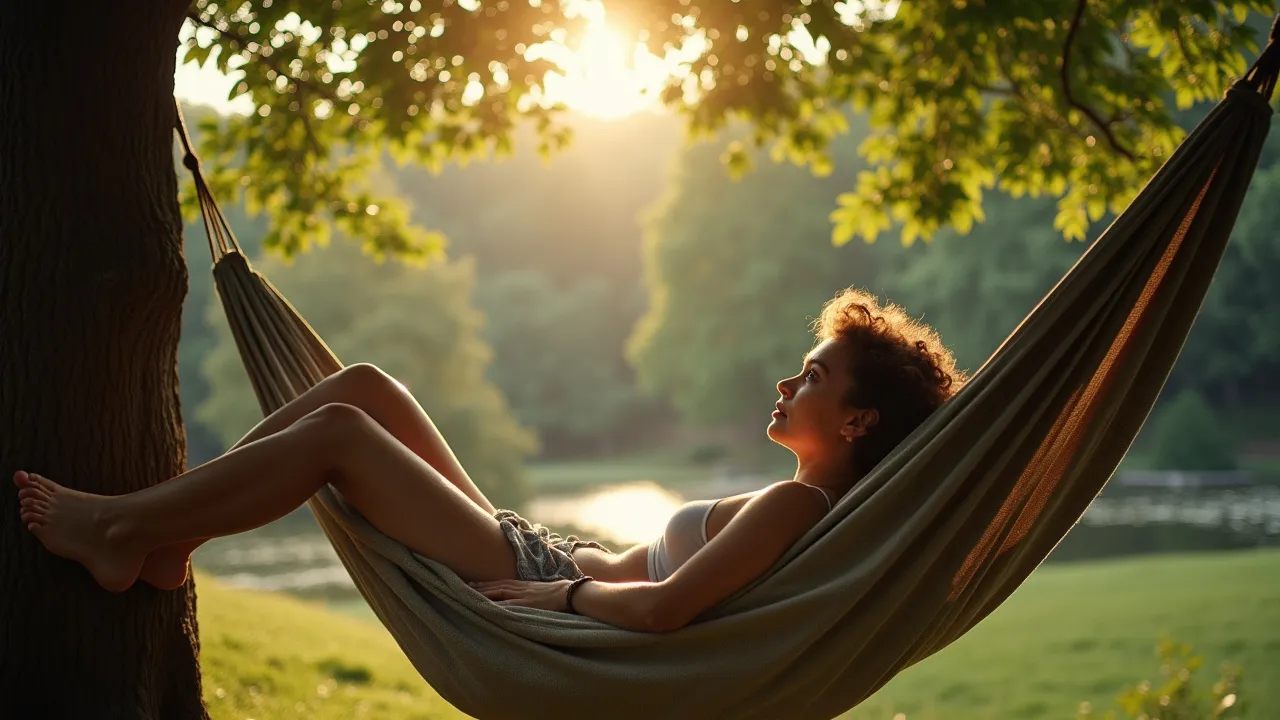
National Relaxation Day, observed annually on August 15th, encourages people to take a break from stress and prioritize self-care. Originating from a child's simple idea, this day promotes mental wellness and relaxation.
The Historical Origins & Evolutionary Journey
National Relaxation Day, celebrated on August 15th, has a humble yet inspiring origin story. It was first conceived in 1985 by a 9-year-old girl from Michigan, whose name has been lost to history but whose idea resonated globally. The day was initially a personal request for a day off from chores, but it quickly gained traction through local media and eventually became a nationally recognized observance in the United States.
The Foundational Catalyst
The catalyst was a simple letter: a child wrote to a newspaper suggesting a day dedicated to doing nothing but relaxing. The editor published it, and readers embraced the concept. This grassroots movement highlights the universal need for rest in an increasingly busy world. The day originally focused on taking a break from school and work, but over time evolved to emphasize mental health and stress reduction.
Legislative/Official Adoption
While National Relaxation Day is not a federal holiday, it has been officially recognized by several states and municipalities. Proclamations have been issued by governors and mayors, encouraging citizens to participate. The day has also been endorsed by mental health organizations and wellness advocates, solidifying its place on the national calendar.
Modern Global Legacy
Today, National Relaxation Day is celebrated worldwide, with social media campaigns, company-wide breaks, and community events. It serves as a reminder that relaxation is not a luxury but a necessity for health and productivity. The day has also sparked discussions about work-life balance and the importance of self-care in fast-paced societies.
How to Celebrate National Relaxation Day
Celebrating National Relaxation Day is all about stepping back from daily pressures and engaging in activities that promote calm and joy. Below are actionable strategies for individuals, schools, and organizations.
Personal Relaxation Techniques
- Disconnect from technology: Turn off notifications and spend time away from screens.
- Practice mindfulness: Meditate, do deep breathing exercises, or try yoga.
- Engage in a hobby: Read a book, garden, paint, or listen to music.
- Take a nap: Short power naps can rejuvenate the mind.
Group and Community Celebrations
- Office relaxation breaks: Employees can organize a quiet hour with no meetings.
- School activities: Teachers can incorporate calm-down corners or outdoor time.
- Community events: Parks may host free yoga or meditation sessions.
Global Variations
In Japan, relaxation is often linked to forest bathing (shinrin-yoku). In Nordic countries, sauna sessions are a popular way to unwind. In Mediterranean cultures, a long lunch or siesta embodies the spirit of the day. Embrace local traditions or create your own relaxation ritual.
The Science of Relaxation: Why It Matters
Relaxation is not just a luxury; it is a biological necessity. Chronic stress triggers the release of cortisol, which can lead to health issues like heart disease, anxiety, and weakened immune function. Relaxation activates the parasympathetic nervous system, promoting a state of rest and digestion.
Physiological Benefits
- Reduced muscle tension: Relaxation techniques lower blood pressure and heart rate.
- Improved sleep quality: Calming activities enhance melatonin production.
- Boosted immune response: Relaxation increases the activity of natural killer cells.
Mental Health Impact
Regular relaxation can reduce symptoms of depression and anxiety. It improves focus, memory, and decision-making. Studies show that even short breaks during work significantly enhance productivity and creativity.
Global Perspectives on Relaxation
Different cultures have unique approaches to relaxation. While National Relaxation Day is primarily a US observance, its message is universal.
Eastern Traditions
In India, yoga and meditation have been practiced for millennia as paths to inner peace. In China, tai chi and qigong combine gentle movement with breath control. These practices are now embraced worldwide.
Western Innovations
The modern wellness industry has popularized spas, float tanks, and massage therapy. Scandinavian countries emphasize 'hygge' (coziness) and 'lagom' (balance) as lifestyle philosophies.
Adapting Global Ideas
You can incorporate elements from various cultures: try a Japanese onsen (hot spring) experience at a local spa, or adopt the Italian concept of 'dolce far niente' (the sweetness of doing nothing).
Incorporating Relaxation into Daily Life
While National Relaxation Day is a once-a-year event, its principles can be integrated into everyday routines.
Morning Rituals
- Start the day with 10 minutes of quiet reflection or journaling.
- Stretch or do light yoga before checking emails.
Workplace Strategies
- Take a 5-minute break every hour to walk or breathe deeply.
- Create a calming workspace with plants or soothing colors.
Evening Wind-Down
- Establish a screen-free hour before bed.
- Drink herbal tea, take a warm bath, or listen to ambient music.
Small, consistent habits can drastically reduce stress and improve overall well-being.
The Impact of Relaxation on Productivity and Health
Contrary to the belief that constant work yields more results, strategic relaxation enhances performance. Companies like Google and Nike have incorporated nap pods and meditation rooms to boost employee output.
Economic Benefits
Reduced stress lowers healthcare costs and absenteeism. A relaxed workforce is more innovative and collaborative. Studies show that employees who take regular breaks are 13% more productive.
Long-Term Health Outcomes
Chronic stress is linked to 60% of doctor visits. By prioritizing relaxation, individuals can prevent burnout, heart disease, and mental health disorders. National Relaxation Day serves as a critical reminder to balance ambition with rest.
Historical Timeline
A 9-year-old girl from Michigan writes a letter to a local newspaper proposing a day dedicated to relaxation. The idea is published and gains public interest.
National Relaxation Day is first unofficially celebrated on August 15th, with families and schools participating in stress-free activities.
The day gains national media attention, and several states issue proclamations recognizing August 15th as Relaxation Day.
National Relaxation Day expands globally through social media and wellness campaigns, becoming a symbol for work-life balance.
Mental health organizations officially endorse the day, and corporate wellness programs incorporate Relaxation Day events.