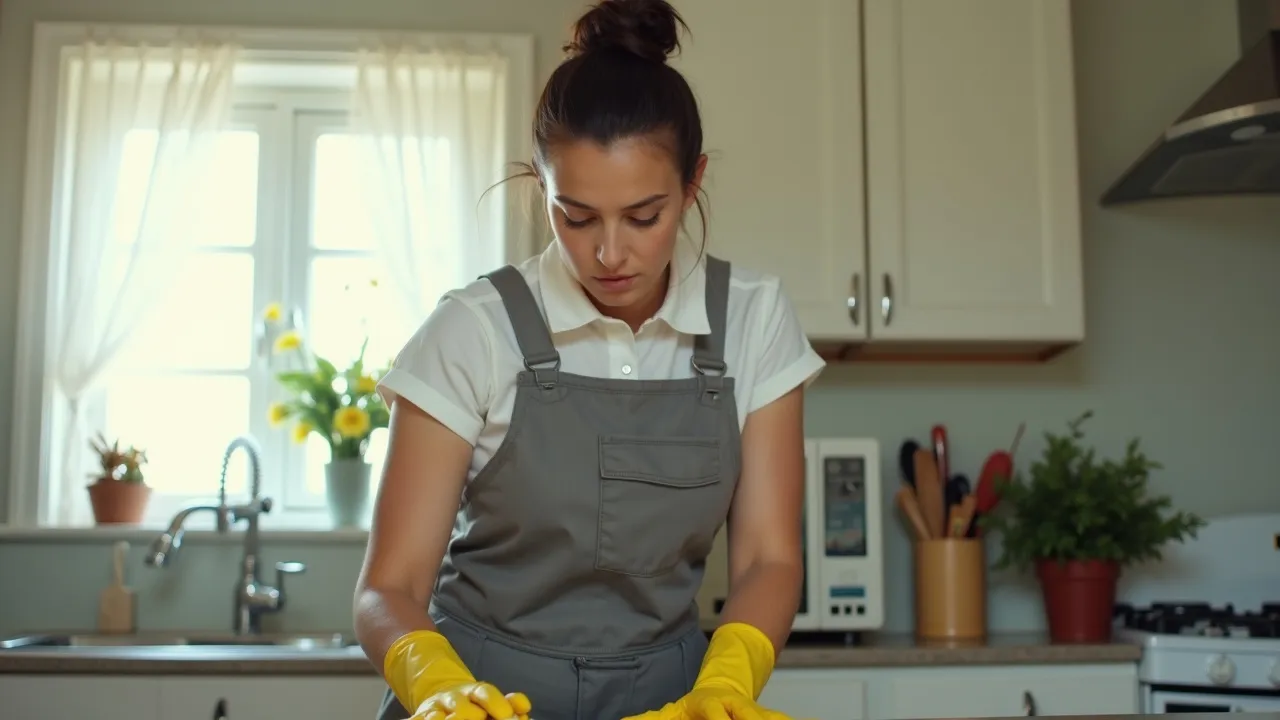
National Professional House Cleaners Day on September 17th honors the dedicated individuals who keep our homes clean and healthy. It recognizes their skill, hard work, and essential role in modern life.
The Historical Origins & Evolutionary Journey
National Professional House Cleaners Day was established in 2012 by the Global Cleaning Industry Alliance to honor the often invisible workforce that maintains hygiene and order in millions of homes. The day emerged from a growing recognition of professional cleaning as a skilled trade, not merely a domestic chore.
The Foundational Catalyst
Before the 20th century, house cleaning was largely unpaid labor performed by women or hired help with little formal training. The Industrial Revolution introduced early cleaning tools, but it was the post-World War II boom in suburban housing and consumer appliances that created a new class of professional cleaners. By the 1970s, cleaning services began to formalize into businesses, and trade associations formed to standardize practices.
The Legislative/Official Adoption
The push for a dedicated day started in the early 2000s as cleaning professionals advocated for better wages and recognition. In 2012, the Global Cleaning Industry Alliance, in partnership with several national cleaning associations, proclaimed September 17th as National Professional House Cleaners Day. The date was chosen to coincide with the start of the fall cleaning season, a time of increased demand for cleaning services.
Modern Global Legacy
Today, the day is observed in the United States, Canada, and increasingly in other countries. It has expanded to include not just residential cleaners but also those who specialize in green cleaning, deep sanitation, and eco-friendly practices. Social media campaigns like #ThankACleaner have amplified the message, and some local governments have issued proclamations.
How to Celebrate National Professional House Cleaners Day
This section provides a definitive guide for individuals, families, businesses, and communities to show appreciation and participate meaningfully.
For Homeowners and Residents
- Give a Gratuity: Offer a monetary bonus equivalent to one session's fee or a gift card.
- Write a Thank-You Note: Express specific appreciation for their work.
- Provide Better Working Conditions: Ensure cleaning supplies are non-toxic and ergonomic tools are available.
- Leave a Review: Post a positive review online highlighting their professionalism.
For Cleaning Companies and Professional Organizations
- Host an Appreciation Event: Organize a luncheon, awards ceremony, or training workshop.
- Offer Continuing Education: Provide free courses on new cleaning techniques or certifications.
- Promote on Social Media: Share stories of employees and use the hashtag #NationalProfessionalHouseCleanersDay.
- Donate to Charities: Contribute to causes that support cleaning workers' rights and welfare.
Global Traditions and Regional Variations
In the United States, the day is often marked by cleaning companies offering discounts. In Canada, industry associations host webinars on safety and sustainability. In the United Kingdom, a parallel observance called Cleaning Professionals Day exists on a different date (October 3rd). In Japan, the emphasis is on respect for the craft, and schools often invite cleaners to speak about their work.
Regardless of location, the core message remains: recognize the value of professional house cleaners and advocate for fair treatment, including living wages, health insurance, and safe working conditions.
The Economic Impact of Professional House Cleaning
The professional house cleaning industry contributes significantly to local and national economies. In the United States alone, the residential cleaning market was valued at over $12 billion in 2023, with an annual growth rate of 6%. It employs hundreds of thousands of workers, many of whom are immigrants, women, and people of color.
Job Creation and Economic Mobility
Professional cleaning offers entry-level opportunities with relatively low barriers to entry. Many cleaners eventually start their own businesses, becoming entrepreneurs. The industry also supports ancillary services like supply manufacturing and equipment retail.
Health and Productivity Gains
Clean homes reduce allergens, mold, and bacteria, leading to fewer sick days and improved mental health. Economists estimate that for every dollar spent on professional cleaning, there is a $4 return in increased productivity and reduced healthcare costs.
Challenges and Advocacy
Despite its size, the industry still faces issues like underpayment, lack of benefits, and informal employment. National Professional House Cleaners Day serves as a platform to address these inequities and push for policy changes.
Health, Hygiene, and the Science of Cleaning
Professional house cleaners employ evidence-based techniques to ensure homes are not just visually clean but microbiologically safe. This section explores the scientific principles behind effective cleaning.
Microbial Reduction and Cross-Contamination
Studies show that professional cleaners reduce bacterial load by over 99% on high-touch surfaces like doorknobs and countertops. They use color-coded cloths to prevent cross-contamination between bathrooms and kitchens.
Indoor Air Quality
Dust, pet dander, and volatile organic compounds (VOCs) accumulate in homes. Professional cleaners use HEPA-filter vacuums and non-toxic agents to improve air quality, reducing asthma and allergy symptoms.
Green Cleaning Innovations
Many professional cleaners now adopt eco-friendly products such as vinegar, baking soda, and plant-based detergents. The trend toward sustainability is a key focus of the observance day, with workshops on reducing chemical exposure.
Technology and the Future of Professional Cleaning
The cleaning industry is undergoing rapid technological transformation, from robotic vacuums to advanced scheduling software. National Professional House Cleaners Day highlights how innovation enhances efficiency and safety.
Smart Devices and Automation
Robotic cleaners like Roomba have automated repetitive tasks, but professional cleaners use them as aids, not replacements. Data-driven scheduling apps optimize routes and client preferences.
Training and Certification
Online platforms now offer certifications in specialized cleaning (e.g., biohazard, post-construction). The observance day often features webinars on upskilling.
Ethical Considerations
Technology must not displace workers but rather augment their capabilities. Industry leaders advocate for a human-centric approach where tech serves to reduce physical strain and improve service quality.
Global Recognition and Cultural Perspectives
While September 17th is the primary date in North America, other regions have their own traditions and dates for honoring house cleaners.
United States and Canada
Both countries observe the same day, with industry events and public awareness campaigns. In Canada, the day also emphasizes mental health support for cleaners.
Europe
The European Cleaning and Facility Services Industry hosts a "Cleanliness Day" in June, but some countries like the UK have a separate Cleaning Professionals Day on October 3rd. In Germany, cleaners are recognized through Hanseatic cleaning festivals.
Asia and Australia
In Japan, cleanliness is deeply cultural, and cleaners are highly respected. Their appreciation day is often tied to the national "Cleaning Week" in December. In Australia, the Cleaning Industry Association promotes a day in May.
Despite differing dates, the universal goal is to elevate the status of house cleaners and ensure they are treated with dignity.
Historical Timeline
The first electric vacuum cleaner is invented, revolutionizing home cleaning and laying the groundwork for professional cleaning services.
Post-war housing boom leads to the rise of independent residential cleaners in the United States.
The Association of Residential Cleaning Professionals (ARCP) is founded, the first trade body for house cleaners.
First formal training program for residential cleaners launched by the ARCP.
Green cleaning movement gains traction, with professional cleaners adopting eco-friendly products.
Global Cleaning Industry Alliance establishes September 17th as National Professional House Cleaners Day.
Social media campaign #ThankACleaner trends on Twitter, reaching over 50 million impressions.
COVID-19 pandemic elevates the importance of professional disinfection and sanitation, leading to increased recognition of cleaners as essential workers.
National Professional House Cleaners Day gains official proclamations in over 200 U.S. cities and 15 countries.