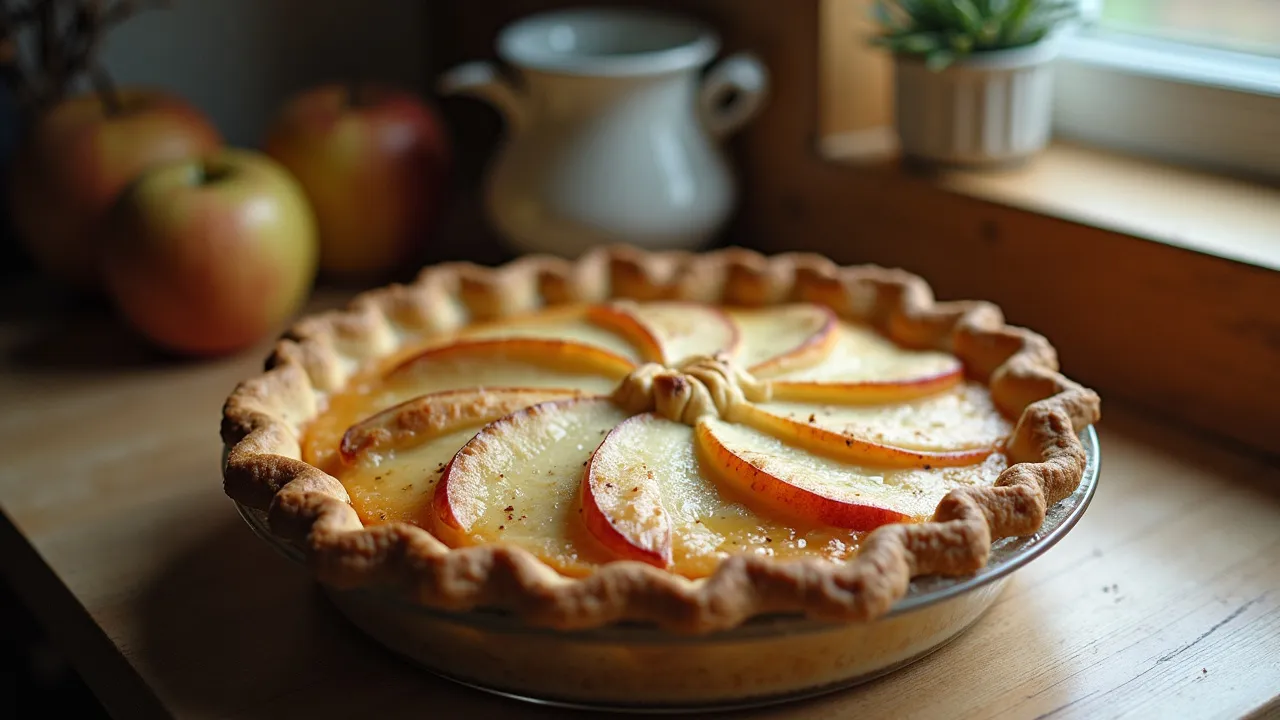
National Pie Day, observed on January 23rd, celebrates the beloved baked dish in all its forms. From sweet fruit pies to savory pot pies, this day encourages everyone to bake, share, and enjoy a slice of pie.
The Historical Origins & Evolutionary Journey
National Pie Day, celebrated annually on January 23rd, is a testament to America's enduring love affair with pie. The holiday was established in 1986 by the American Pie Council (APC), an organization dedicated to preserving America's pie heritage. The date was chosen to fall after the holiday season's indulgence and before the Super Bowl, providing a perfect mid-winter treat.
The Foundational Catalyst
Pie itself has ancient origins, with early versions dating back to the ancient Egyptians and Romans. However, the modern concept of pie—a pastry crust filled with sweet or savory ingredients—evolved significantly in medieval Europe. The first recorded pie recipe, a "pygg," was a simple crust filled with meat. Pies became a staple in colonial America due to their practicality: the crust preserved the filling for long periods. By the 19th century, fruit pies like apple and cherry had become iconic American desserts.
The Legislative/Official Adoption
The American Pie Council launched National Pie Day in 1986 to celebrate the cultural and culinary significance of pie. The event gained official recognition through grassroots support, with bakeries, restaurants, and home bakers participating. The APC continues to promote the day through events, contests, and educational resources. Notably, January 23rd also coincides with National Pie Day in the United Kingdom, though the British version has separate origins.
Modern Global Legacy
Today, National Pie Day is observed across the United States and increasingly in other English-speaking countries. Social media has amplified the celebration, with hashtags like #NationalPieDay trending. The APC sponsors annual "Pie Championships" and fundraising initiatives. Pie has also become a symbol of comfort and nostalgia, with many families passing down recipes through generations. While the day is quintessentially American, its spirit of sharing and indulgence resonates worldwide.
How to Celebrate National Pie Day
National Pie Day offers endless opportunities to indulge in pie-making, sharing, and enjoyment. Whether you are a seasoned baker or a novice, here are actionable ways to celebrate.
Personal Celebrations
- Bake a Pie from Scratch: Choose a classic recipe like apple, cherry, or pumpkin. Use fresh seasonal ingredients for best flavor.
- Host a Pie Swap: Invite friends and neighbors to bring a pie each. Exchange slices and recipes.
- Try a New Pie Type: Experiment with savory pies like chicken pot pie or shepherd's pie, or explore international variations like Australian meat pie or French tarte Tatin.
- Hold a Pie Tasting: Gather different pie styles and rate them. Fun for parties or family gatherings.
Community and School Events
- Organize a Pie Sale: Schools and charities can sell pies to raise funds.
- Pie-Making Workshops: Local bakeries or community centers can host classes for kids and adults.
- Pie Contests: Host a competition with categories like "best crust" or "most creative filling."
- Donate Pies: Share with homeless shelters, nursing homes, or frontline workers.
Corporate and Social Rituals
- Office Potluck: Encourage colleagues to bring pies. Provide coffee and tea.
- Pie Social: Businesses can offer free pie slices to customers.
- Online Sharing: Post pie photos with #NationalPieDay and share favorite recipes.
Global Variations
In the UK, Pie Week (first week of March) is separate, but some celebrate January 23rd with steak and kidney pie. In Australia, meat pies are commonly enjoyed. In Canada, butter tarts are a pie variant. Each culture adapts the celebration to local favorites.
Types of Pies: A Culinary Exploration
Pies come in countless varieties, reflecting regional ingredients and cultural traditions. Understanding these types can enhance your National Pie Day celebration.
Sweet Pies
- Fruit Pies: Apple, cherry, blueberry, peach, and lemon meringue are classics. The filling is sweetened and often thickened with cornstarch.
- Custard Pies: Pumpkin, pecan, and chocolate cream have a creamy, baked filling.
- Tarts: Open-faced pies like fruit tarts or French tarte Tatin.
Savory Pies
- Meat Pies: Chicken pot pie, steak and kidney pie (UK), tourtière (Canada).
- Vegetable Pies: Mushroom and leek pie, spinach and feta pie.
- Regional Specialties: Australian meat pie, Jamaican patty, Cornish pasty.
Crust Styles
- Flaky Crust: Made with butter or lard for tenderness.
- Shortcrust: Sturdy and crumbly, ideal for savory pies.
- Lattice Top: Decorative strips of dough.
- Galette: Rustic, free-form pie.
Pie crust is often the most challenging component. Tips: keep ingredients cold, handle dough minimally, and blind-bake for custard pies.
Pie in American Culture and Tradition
Pie holds a special place in American culture, symbolizing hearth, home, and community. From Colonial times to modern pop culture, pie is more than a dessert.
Historical Significance
Colonists brought pie recipes from Europe, adapting to native fruits like cranberries and pumpkins. Pies were a practical solution for preserving food. The phrase "as American as apple pie" emerged in the 20th century, highlighting pie's patriotic connotation. During World War II, pies were baked for soldiers and sent overseas.
Pie in Pop Culture
- Idioms: "Pie in the sky" (unattainable dream), "nice as pie" (pleasant).
- Literature & Film: "American Pie" song, "The Great Pie" in Bugs Bunny. Pie-throwing is a classic slapstick gag.
- Competitions: Major pie contests at state fairs, such as the National Pie Championship.
Economic Impact
The pie industry generates billions annually. Supermarkets sell frozen pies, while artisanal bakeries thrive on gourmet creations. Thanksgiving alone accounts for 50 million pecan pies and 20 million pumpkin pies sold. National Pie Day boosts sales and encourages local spending.
The Economics of Pie: From Bakeries to Supermarkets
Pie production and consumption have significant economic dimensions. National Pie Day serves as a marketing opportunity for businesses across the food sector.
Bakery Sector
- Independent Bakeries: Many offer special discounts or pie-of-the-month clubs. Custom orders rise.
- Chain Bakeries: Brands like Bakery Outlet promote new flavors.
- Home Bakers: Platforms like Etsy see increased pie-related sales.
Supermarket Trends
Grocery stores stock more pie ingredients and frozen pies in January. Redi-whip and ice cream brands cross-promote. Some stores host in-store pie tastings.
Industry Data
- Annual pie sales in the US: over $700 million.
- Most popular pie: Apple (19% of sales), followed by pumpkin (16%).
- Seasonal peaks: Thanksgiving, Christmas, and National Pie Day.
National Pie Day allows small businesses to compete with large brands through social media campaigns and local events.
Healthier Pie Options and Dietary Adaptations
Traditional pies can be high in sugar and fat, but modern adaptations cater to various dietary needs. National Pie Day is an opportunity to enjoy pie without guilt.
Reduced Sugar & Gluten-Free
- Natural Sweeteners: Use honey, maple syrup, or monk fruit instead of refined sugar.
- Gluten-Free Crusts: Made with almond flour, oat flour, or crushed nuts.
- Dairy-Free: Use coconut oil or vegan butter for crust, and plant-based milk for custards.
Savory Pies for Low-Carb Diets
Pot pies with cauliflower crust or zucchini boats offer keto-friendly options. Meat pies without pastry (e.g., shepherd's pie) reduce carbs.
Portion Control
Mini pies, hand pies, and pie pops allow single-serving portions. This reduces calorie intake while satisfying cravings.
Nutritional Tips
- Add whole grains (e.g., whole wheat crust) for fiber.
- Incorporate fruits with high antioxidant content like berries.
- Use low-fat alternatives for crust (yogurt instead of butter).
Baking at home gives control over ingredients. Many bloggers share healthy pie recipes that taste fantastic.
Historical Timeline
The American Pie Council establishes National Pie Day on January 23rd to celebrate pie as an American tradition.
National Pie Day gains national recognition through media coverage and participation from bakeries and restaurants.
The American Pie Council launches the National Pie Championship, a contest for amateur and professional bakers.
Social media platforms like Twitter and Facebook amplify celebrations with #NationalPieDay, reaching millions.
National Pie Day is officially recognized by the United States Department of Agriculture as a day to promote American agriculture.