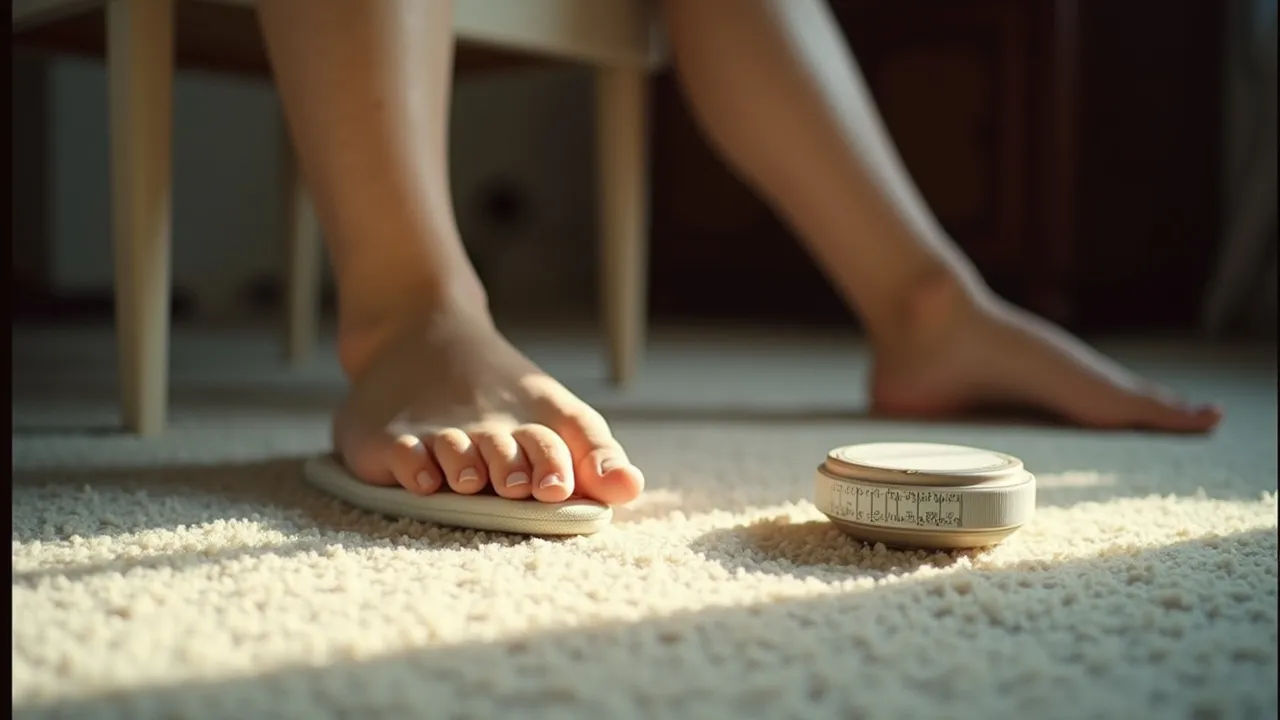
Measure Your Feet Day on January 23rd encourages everyone to get their feet professionally measured to ensure proper shoe fit, prevent foot problems, and promote foot health. Learn the history and how to celebrate.
The Historical Origins & Evolutionary Journey
Measure Your Feet Day, observed annually on January 23rd, has roots that trace back to the early 20th century when shoe manufacturing shifted from bespoke craftsmanship to mass production. Prior to the Industrial Revolution, shoes were made individually for each customer. With the rise of standardized sizing, the need for accurate foot measurement became crucial.
The Foundational Catalyst
The advent of the Brannock Device in 1927 by Charles Brannock revolutionized foot measurement. This simple yet accurate tool allowed shoe stores to quickly measure foot length, width, and arch length. Brannock, a Syracuse, New York native, patented his device and it became the industry standard. As mass-produced shoes flooded the market, improper fit became a common cause of foot ailments. In response, shoe retailers and podiatrists began promoting the habit of measuring feet before every shoe purchase.
The Legislative/Official Adoption
Though no official government declaration exists, January 23rd emerged as an unofficial observance through the efforts of the footwear industry and health advocates. The date was likely chosen to fall after the holiday shopping season and before spring, reminding consumers to check their shoe sizes. By the 1950s, many shoe stores offered free measurements on this day, and the tradition spread through advertising campaigns.
Modern Global Legacy
Today, Measure Your Feet Day is recognized in the United States and increasingly internationally. With the rise of online shoe shopping, the day has taken on new importance: many e-commerce sites now provide printable measuring guides or mobile apps. Podiatry associations use the day to educate about how improper shoe fit can lead to bunions, hammertoes, and plantar fasciitis. The day underscores that feet change over time due to age, weight, and pregnancy, making regular measurement essential.
How to Celebrate Measure Your Feet Day: A Global Guide
Celebrating Measure Your Feet Day involves more than just checking your size. It's about embracing foot health and making informed choices. Here are actionable ways individuals, schools, and organizations can participate.
For Individuals
- Visit a Professional: Go to a local shoe store and ask for a Brannock measurement. Do this at the end of the day when feet are slightly swollen.
- Measure Both Feet: Many people have one foot larger than the other. Always fit shoes to the larger foot.
- Check Your Children's Feet: Kids' feet grow quickly. Measure them every few months, especially before buying new shoes.
- Throw Out Worn-Out Shoes: Shoes lose support after 300-500 miles. Replace athletic shoes regularly.
For Schools
- Organize a "Foot Health Day" with podiatrist talks.
- Have students trace and measure their feet, learning about symmetry and growth.
- Collect gently used shoes for charity.
For Organizations and Companies
- Offer free foot screenings or discounts on shoe fittings.
- Launch social media campaigns with hashtags like #MeasureYourFeetDay.
- Provide ergonomic insoles or standing mats for employees.
In different countries, traditions vary. In Japan, some schools check children's shoe sizes in January. In the UK, the Society of Chiropodists and Podiatrists use the day to promote heath. In Australia, running shoe clinics offer free gait analysis. Globally, the core message remains: measure twice, buy once.
The Science of Foot Measurement: Why Fit Matters
Proper foot measurement is not just about comfort; it's a medical necessity. Ill-fitting shoes can cause a cascade of problems from the feet up through the knees, hips, and spine.
How Feet Change Over Time
Feet lengthen and widen with age due to ligament laxity and fat pad displacement. Pregnancy causes foot swelling and arch flattening. Weight gain increases foot width. Even daily activity can cause feet to swell by half a shoe size by evening. Therefore, measuring at least once a year is recommended.
The Brannock Device: Gold Standard
Invented by Charles Brannock in 1927, the device measures three dimensions: heel-to-toe length, arch length (to determine the ball-of-foot position), and width. It is accurate to within 1/8 inch and used by 90% of shoe stores in the US. Digital alternatives exist, but the Brannock remains the most reliable.
Consequences of Improper Fit
- Bunions: Caused by narrow toe boxes.
- Hammertoes: From shoes that are too short.
- Plantar Fasciitis: Often due to lack of arch support.
- Ingrown Toenails: Tight shoes compress toes.
Measuring feet reduces these risks and ensures optimal performance in athletic activities. Many professional athletes have custom shoes made based on precise measurements.
Economic and Social Impact of Foot Health Awareness
Measure Your Feet Day also has economic implications. The global footwear market is worth over $400 billion, and improper fit leads to high return rates in e-commerce. By promoting accurate measurement, the day helps reduce waste and improve customer satisfaction.
Retail Benefits
Shoe stores see increased foot traffic on January 23rd. Many offer promotions to encourage fittings. Online retailers provide printable measuring tools, which lower return rates. According to industry data, 70% of people wear shoes that are at least one size too small. Correcting this through measurement reduces chronic foot pain and related healthcare costs.
Public Health Campaigns
Podiatric associations use the day to lobby for insurance coverage of orthotics. In the US, foot problems affect 77% of the population, yet many ignore discomfort. Measure Your Feet Day serves as a catalyst for early intervention. Social media campaigns educate about diabetic foot care, as diabetes can reduce sensation and lead to unnoticed injuries.
Cultural Variations
In developing countries, foot measurement is often neglected due to lack of access. Charities use the day to distribute shoes and measure children's feet to ensure proper fit. The day thus bridges consumerism and humanitarian aid.
Technological Innovations in Foot Measurement
From the Brannock device to smartphone apps, foot measurement technology has evolved. Modern innovations include 3D scanning, pressure mapping, and AI-driven fit recommendations.
3D Foot Scanners
Brands like Nike and Adidas use 3D scanners in flagship stores to create customized shoes. These scanners capture 360-degree data in seconds, allowing for bespoke insoles and uppers. Startups like Volumental and FitStation have made such scanners widespread.
Mobile Apps and AR
Apps like "Measure Your Feet" use the phone camera to approximate shoe size. While less accurate than professional tools, they help online shoppers. Augmented reality (AR) overlays show how shoes might look on your feet.
Future Trends
Wearable devices that monitor foot swelling and gait are being developed. The day highlights the convergence of health and tech, encouraging users to adopt these tools for better fit.
Frequently Asked Questions About Foot Measurement
To clarify common misconceptions, here are answers to pressing questions about foot measurement and shoe fit.
How often should I measure my feet?
At least once a year, or whenever you experience changes in shoe comfort. Children should be measured every few months.
Does shoe size differ between brands?
Yes. Sizing is not standardized globally. Always try on shoes or check the brand's size chart based on your measurements.
Can I measure my own feet at home?
Yes, with a tape measure and paper tracing. But a professional Brannock measurement is more accurate.
What if my feet are different sizes?
It's normal. Always fit to the larger foot. Some brands offer split sizes for different widths.
Do I need to measure my arch?
Arch length is crucial for athletic shoes. The Brannock device measures both arch and toe length.
For more, refer to the FAQ section below.
Historical Timeline
Early foot measurements using papyrus and leather sandals, with sizes based on the hand width of the pharaoh.
Charles Brannock patents the Brannock Device, a simple instrument that measures foot length, width, and arch length, revolutionizing shoe fitting.
Shoe stores in the US start offering free foot measurements, leading to the informal establishment of a 'foot measurement day' in winter.
January 23rd becomes unofficially recognized as Measure Your Feet Day through industry promotions and retail events.
The running boom increases demand for accurate fitting athletic shoes, and podiatrists endorse regular measurement.
The American Orthopaedic Foot & Ankle Society launches public education campaigns emphasizing annual foot measurement.
Digital 3D foot scanners enter the market, offering automated measurements for custom orthotics and shoes.
Mobile apps for foot measurement become popular, allowing users to measure their feet at home using smartphone cameras.
COVID-19 pandemic leads to increased online shoe shopping; retailers promote virtual measuring tools on Measure Your Feet Day.
Social media campaigns for Measure Your Feet Day go viral, with millions using #MeasureYourFeetDay to share tips and fitting stories.