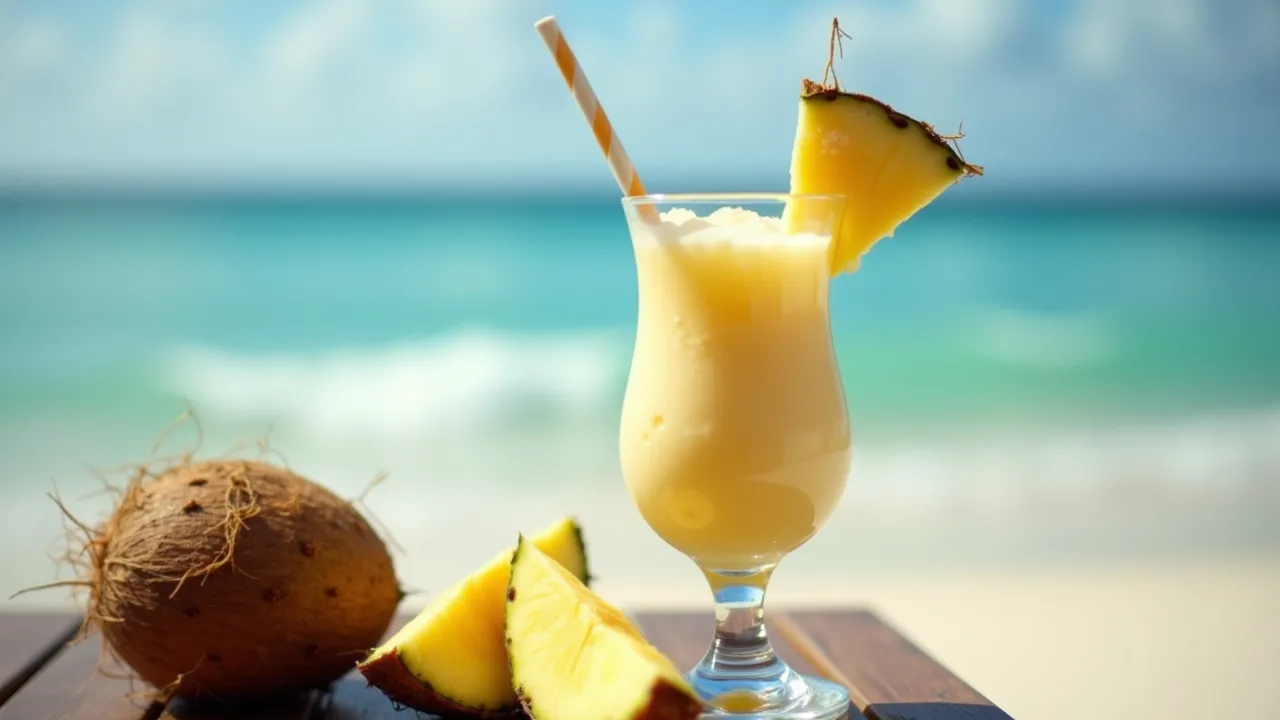
Celebrate National Piña Colada Day on July 10th, honoring Puerto Rico's iconic cocktail of rum, coconut cream, and pineapple juice. This tropical drink symbolizes beachside relaxation and has a rich history dating back to 1954.
The Historical Origins & Evolutionary Journey
National Piña Colada Day, observed annually on July 10th, pays homage to one of the world’s most beloved tropical cocktails. The piña colada—Spanish for “strained pineapple”—is a creamy blend of rum, coconut cream, and pineapple juice that evokes images of sandy beaches and swaying palms. Its journey from a humble bartender’s creation to a global icon is a story of innovation, cultural pride, and serendipity.
The Foundational Catalyst
The universally credited birthplace of the piña colada is the Caribe Hilton Hotel in San Juan, Puerto Rico. In 1954, head bartender Ramón “Monchito” Marrero was tasked with creating a signature cocktail that captured the essence of the island’s tropical bounty. After three months of experimentation, he perfected a mixture of coconut cream (Coco López), pineapple juice, and white rum, served frozen or over ice. The drink was an instant hit with hotel guests and quickly spread across Puerto Rico’s burgeoning tourism scene.
Alternative origin stories exist, including claims by competing establishments such as the Barrachina Restaurant in Old San Juan, which asserts that bartender Don Ramón Portas Mingot created the drink in 1963. However, historical records and the official declaration by the Puerto Rican government in 1978 favor the Caribe Hilton version. The 1978 proclamation by the Puerto Rican Senate officially recognized July 10th as National Piña Colada Day, cementing the date and the Caribe Hilton’s legacy.
The Legislative/Official Adoption
In 1978, the Senate of Puerto Rico passed a resolution designating July 10th as Piña Colada Day to celebrate the drink’s cultural and economic impact. This official recognition helped standardize the date and elevated the piña colada from a mere beverage to a national symbol. The day was later embraced by the broader United States and other countries, becoming a popular food holiday observed on social media and in bars worldwide.
Modern Global Legacy
Today, the piña colada is the official drink of Puerto Rico and is enjoyed in countless variations, from virgin mocktails to gourmet concoctions with exotic rums and fresh coconut. Its fame was amplified by the 1979 hit song “Escape (The Piña Colada Song)” by Rupert Holmes, which ironically mentions the drink only in the title but cemented its place in popular culture. National Piña Colada Day now serves as an opportunity for brands, restaurants, and home enthusiasts to honor the original recipe while exploring creative spins.
How to Celebrate National Piña Colada Day
National Piña Colada Day on July 10th invites everyone to indulge in the tropical flavors of Puerto Rico. Whether you’re a seasoned mixologist or a casual sipper, there are countless ways to join the celebration. Below is a definitive guide to making the most of this festive day.
At Home: Craft the Perfect Piña Colada
- Authentic Recipe: Combine 2 oz white rum, 1 oz coconut cream (preferably Coco López), 1 oz heavy cream, and 6 oz fresh pineapple juice with 1 cup crushed ice. Blend until smooth and garnish with a pineapple wedge and maraschino cherry.
- Virgin Version: Omit rum and add an extra splash of pineapple juice or coconut milk for a refreshing mocktail.
- Frozen vs. On the Rocks: Blend with ice for a slushy texture or shake with ice and strain for a lighter version.
At Bars & Restaurants
- Visit a Tiki Bar or Puerto Rican Restaurant: Many establishments offer specials, tastings, or flights of piña colada variations.
- Host a Piña Colada Happy Hour: Organize a gathering with friends and compare different recipes or brands of rum.
- Support Local Businesses: Check if your local bar donates a portion of sales to charity on this day.
For Organizations and Social Media
- Share Your Creation: Post photos or videos using the hashtag #NationalPinaColadaDay.
- Learn the History: Educate followers with fun facts about the drink’s origin and the Coco López brand.
- Host a Virtual Tasting: For corporate teams or clubs, ship cocktail kits and mix together online.
Global Traditions and Variations
While July 10th is the primary date, other regions celebrate differently. In Puerto Rico, the day is marked with parades, live music, and special events at historic venues like the Caribe Hilton. In the US, bars often run two-for-one deals, and in tropical tourist destinations, resorts offer complimentary piña coladas by the pool. Some fans celebrate by pairing the drink with Puerto Rican cuisine such as mofongo or tostones.
The Cultural Impact of the Piña Colada
The piña colada is more than a cocktail—it’s a cultural ambassador for Puerto Rico and a global symbol of leisure. Its creamy sweetness and tropical essence have influenced music, film, and tourism for decades.
In Music and Media
Rupert Holmes’ 1979 song “Escape (The Piña Colada Song)” became a chart-topping hit and introduced the drink to a generation of listeners. The song’s lyrics tell a story of two strangers connecting over a personal ad, with the piña colada representing the protagonist’s carefree desires. Since then, the drink has appeared in countless movies, TV shows, and advertisements as shorthand for paradise and escape.
As a National Symbol
In 1978, the Puerto Rican government declared the piña colada its official drink, recognizing its role in attracting tourists and showcasing local ingredients like rum and coconut. This designation boosted the island’s identity and encouraged bartenders worldwide to associate the drink with Puerto Rican hospitality. Even today, Coco López—the brand of coconut cream used in the original recipe—is a staple in tiki bars globally.
Social Media and Global Recognition
National Piña Colada Day trended on platforms like Twitter and Instagram, with millions of posts featuring the cocktail, often accompanied by beach scenery. This digital celebration has helped sustain the drink’s popularity among younger generations and drives seasonal spikes in rum and coconut cream sales.
Variations and Modern Twists
While the classic piña colada remains beloved, bartenders and home mixologists have invented countless variations to suit different tastes, dietary needs, and trends. Here are some noteworthy adaptations:
Fruity Twists
- Strawberry Colada: Add fresh or frozen strawberries for a pink hue and berry sweetness.
- Mango Colada: Swap pineapple juice for mango puree for a tropical twist.
- Banana Colada: Blend in a ripe banana for extra creaminess.
Spirit Substitutions
- Piña Colada with Dark Rum: Use aged rum for deeper molasses notes.
- Tequila Colada: Replace rum with blanco tequila for an agave-forward profile.
- Piña Colada with Vodka: A neutral spirit that lets the fruit and coconut shine.
Dietary and Health-Conscious Options
- Low-Calorie Colada: Use light coconut milk and a sugar-free sweetener; reduce rum to 1 oz.
- Vegan Colada: Ensure coconut cream is dairy-free (most are); use plant-based rum.
- Mocktail Colada: Omit alcohol and add a splash of lime juice for tartness.
Many bars now offer flights of piña colada variations, allowing customers to sample multiple interpretations. This trend has boosted the drink’s appeal to adventurous drinkers and facilitated social media sharing.
The Economic and Tourism Connection
National Piña Colada Day has a measurable economic impact, particularly on the rum and coconut industries, as well as tourism in Puerto Rico. The day serves as a marketing opportunity for brands, bars, and travel destinations.
Boost to Rum and Coconut Sales
In the weeks leading up to July 10th, sales of white rum, coconut cream, and pineapple juice often spike. According to industry data, piña colada ingredients see a 20-30% increase in volume during the summer, with National Piña Colada Day acting as a catalyst. Brands like Captain Morgan and Coco López run targeted promotions and recipe contests.
Tourism in Puerto Rico
The Caribe Hilton, where the drink was invented, hosts annual celebrations that draw both locals and tourists. Special events include mixology workshops, live music, and discounted stays. The Puerto Rico Tourism Company often uses the day to promote travel packages, highlighting the island’s rum distilleries and cocktail culture.
Global Hospitality
Resorts in the Caribbean, Mexico, and Hawaii frequently offer complimentary piña coladas at their swim-up bars. All-inclusive resorts see increased bookings around this date, as travelers seek a tropical escape to enjoy the iconic drink in its natural context.
Health and Safety Considerations
While National Piña Colada Day is a fun occasion, it’s important to consume the cocktail responsibly. The piña colada is typically high in sugar and alcohol, so moderation is key. Here are some guidelines:
Alcohol Awareness
Standard piña colada recipes contain about 2 ounces of rum, which equals one standard drink. Because the drink is sweet and creamy, it can mask the alcohol taste, leading to accidental overconsumption. Always pace yourself and alternate with water.
Calorie and Sugar Content
A typical 8-ounce piña colada can contain 300-500 calories and 30-50 grams of sugar, largely from coconut cream and pineapple juice. For those watching their intake, consider lighter versions using unsweetened coconut milk and fresh pineapple without added sugar.
Hydration and Sun Safety
If celebrating outdoors, remember that alcohol dehydrates the body. Drink plenty of water and apply sunscreen, as alcohol can lower inhibition about sun protection. The day falls in mid-summer for the Northern Hemisphere, so heat-related risks should be considered.
Historical Timeline
Bartender Ramón 'Monchito' Marrero creates the piña colada at the Caribe Hilton in San Juan, Puerto Rico. He blends coconut cream, pineapple juice, and rum over ice, perfecting the recipe after three months of trials.
Alternative origin claim by Barrachina Restaurant in Old San Juan, where bartender Don Ramón Portas Mingot allegedly creates a similar drink. The rivalry adds to the cocktail's lore.
The Puerto Rican Senate officially declares July 10th as National Piña Colada Day and names the piña colada the official drink of Puerto Rico, solidifying the Caribe Hilton's version.
Rupert Holmes releases 'Escape (The Piña Colada Song)', which becomes a #1 Billboard hit. Although the song mentions the drink only in the title, it catapults the piña colada into pop culture.
Social media platforms like Facebook and Instagram popularize National Piña Colada Day, with users sharing photos and recipes, increasing awareness globally.
The Caribe Hilton celebrates the 65th anniversary of the piña colada with a giant 120-foot-long piña colada and a Guinness World Record attempt for the largest cocktail.