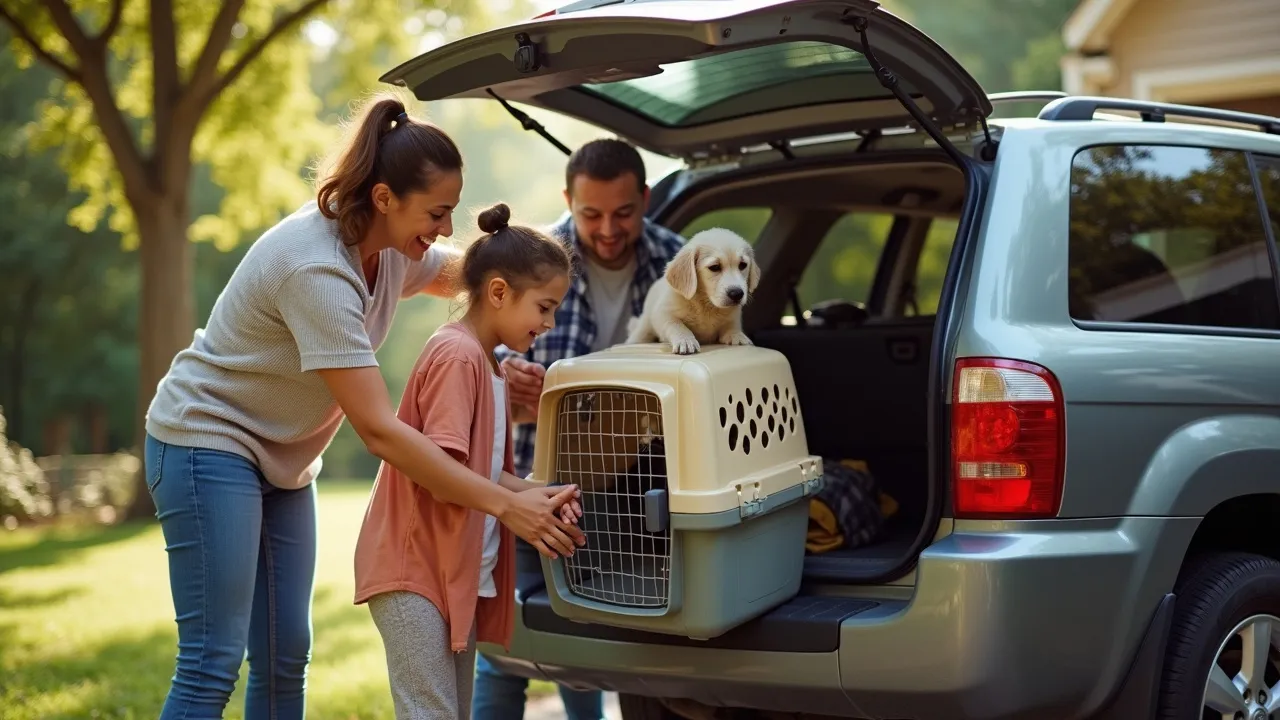
National Pet Travel Safety Day on January 2nd promotes safe pet travel. Learn about proper restraints, tips for road trips, and the history of this crucial observance to protect your furry companions.
The Historical Origins & Evolutionary Journey
National Pet Travel Safety Day was established to address the overlooked dangers pets face during vehicular travel. The observance was founded by Pet Travel, a company dedicated to pet safety products, in 2013. Since then, it has grown into a global awareness campaign.
The Foundational Catalyst
Before the 2000s, pet travel safety was largely ignored. Pets often rode unrestrained in laps or cargo areas, leading to injuries and fatalities. Studies showed that an unrestrained 10-pound dog in a 50 mph crash exerts 500 pounds of force, endangering both pet and passengers. The catalyst for the day was a series of high-profile accidents and advocacy by veterinarians.
The Legislative/Official Adoption
While not a federal holiday, the day spurred legislative action. By 2015, several US states introduced laws requiring pet restraints. The American Veterinary Medical Association (AVMA) endorsed the day, and organizations like the Center for Pet Safety began crash-testing carriers.
Modern Global Legacy
Today, the day is recognized worldwide. Social media campaigns, dealer events, and pet store promotions educate millions. The core message remains: secure pets with crash-tested harnesses, carriers, or barriers.
How to Celebrate National Pet Travel Safety Day
Celebrating involves practical steps to ensure safe journeys. Here are definitive strategies for individuals, schools, and organizations.
For Individuals and Families
- Inspect gear: Check harnesses, carriers, and seat belt tethers for wear. Replace if older than 3 years.
- Practice drives: Start with short trips to acclimate pets to restraints.
- Pack a travel kit: Include water, bowl, leash, waste bags, vet records, and a first-aid kit.
- Never leave pets alone: Temperatures inside cars can become lethal within minutes.
For Schools and Vet Clinics
- Host workshops on proper restraint installation.
- Distribute checklists for pet owners.
- Organize car seat check events for pet carriers.
For Corporations and Social Media
- Post infographics on safe travel tips.
- Offer discounts on safety products.
- Share customer stories of safe travels.
In different regions: In the US, emphasis is on car travel; in Europe, focus on train and air regulations. Australia promotes pet seat belts due to long road trips.
The Science of Pet Restraint Systems
Understanding crash dynamics is key to choosing the right restraint.
Crash Testing Standards
The Center for Pet Safety (CPS) conducts standardized tests similar to child car seats. Only products with CPS certification meet safety thresholds.
- Harnesses: Must distribute force across chest, not neck. Look for thick padding and metal buckles.
- Carriers: Hard-sided with proper ventilation and anchor points. Soft carriers often fail in crashes.
- Barriers: For cargo areas, must be vehicle-specific and strong enough to contain large dogs.
Common Myths
Myth: My dog rides fine in the back seat. Fact: Unrestrained pets become projectiles. Use a restraint every time.
Global Perspectives on Pet Travel Safety
Different countries have varying laws and norms.
United States
No federal law, but many states (e.g., New Jersey, Rhode Island) require pets to be secured. Tethering in truck beds is illegal in some states.
European Union
Under EU Regulation No. 1005/2009, pets must be confined during transport. In Germany, fines apply for unrestrained pets.
Australia
Queensland and Victoria have strict laws. Penalties up to $5,000 for pets causing accidents.
Asia
Japan's 2019 law mandates pet restraints. South Korea follows progressive guidelines.
Traditions: In the UK, some pet owners celebrate by taking their dog for a "safety drive." In Japan, pet stores host seminars.
Economic and Industry Impact
The pet travel safety market has exploded.
Market Growth
In 2023, the global pet travel products market was valued at $320 million, projected to reach $500 million by 2030. Major players include Sleepypod, Kurgo, and Petsafe.
Employment
Thousands of jobs in manufacturing, testing, and retail. Crash-test facilities have expanded.
Consumer Education
Automakers now offer pet-friendly features like dog partitions and climate-controlled zones. Insurance companies offer discounts for pet restraint use.
Future Trends and Challenges
Looking ahead, technology and regulation will shape pet travel safety.
Innovations
- Smart harnesses with GPS and crash detection.
- In-car temperature monitors that alert owners.
- Autonomous vehicle pet modes.
Challenges
Lack of universal standards. Many products are untested. Education gaps persist in rural areas. Climate change increases heatstroke risks during travel.
The day continues to push for a global standard, making every journey safer for pets.
Historical Timeline
National Pet Travel Safety Day founded by Pet Travel company to raise awareness about pet safety in vehicles.
Center for Pet Safety begins crash-testing pet restraints, establishing a voluntary certification standard.
New Jersey becomes the first state to legally require pet restraints while driving.
AVMA officially endorses the observance, promoting it to members.
Japan enacts law requiring pet restraints, inspired by U.S. efforts.
COVID-19 pandemic increases pet adoptions, leading to heightened awareness of travel safety.
Global market for pet travel products reaches $320 million; Australia enacts strictest fines yet.