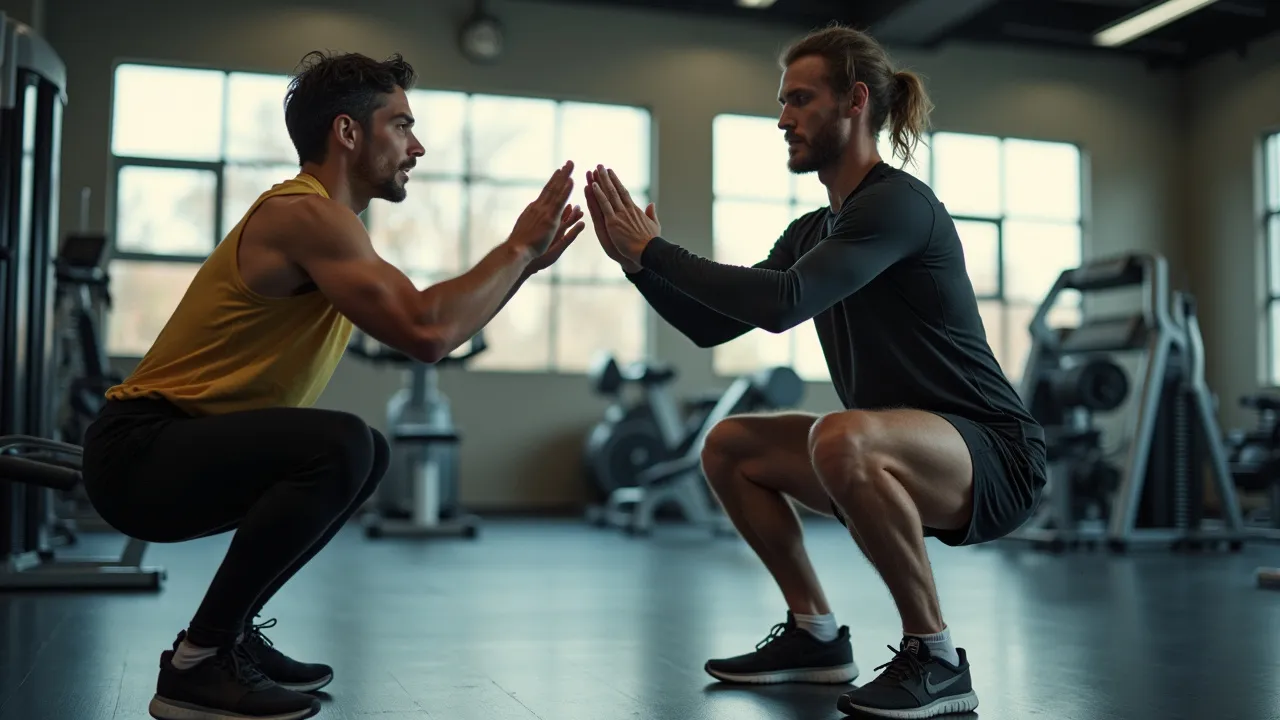
National Personal Trainer Awareness Day on January 2nd celebrates the dedicated professionals who guide us toward better health and fitness. It's a day to appreciate their expertise, motivation, and personalized training plans.
The Historical Origins & Evolutionary Journey
National Personal Trainer Awareness Day, observed annually on January 2nd, traces its roots to the early 21st century when the fitness industry began recognizing the critical role of personal trainers in public health. The day was informally established around 2010 through grassroots campaigns by fitness professionals and health clubs aiming to highlight the expertise and dedication of trainers. Over time, it gained official recognition from major organizations like the American Council on Exercise (ACE) and the National Academy of Sports Medicine (NASM).
The Foundational Catalyst
The rise of the personal training profession paralleled the booming fitness culture of the 1980s and 1990s. As gyms proliferated, the need for qualified professionals to safely guide exercise became evident. The American College of Sports Medicine (ACSM) launched the first widely recognized certification in 1975, but personal training remained unregulated for decades. By the 2000s, studies linking sedentary lifestyles to chronic diseases spurred demand for expert guidance. January 2nd was chosen strategically—it falls right after New Year's resolutions begin, a time when many seek fitness guidance.
The Legislative/Official Adoption
While no federal law designates this day, several state and local proclamations have been issued. In 2015, the California State Assembly recognized the day, acknowledging personal trainers' impact on reducing healthcare costs. Fitness industry coalitions have lobbied for formal recognition, and many gyms now host annual events. The day also aligns with Global Wellness Day's initiatives, though it remains distinct.
Modern Global Legacy
Today, National Personal Trainer Awareness Day is celebrated across North America, parts of Europe, and Australia. It serves not only as a tribute but also as a platform to advocate for higher standards, certification, and ethical practices. The day promotes continued education and the shift toward holistic wellness coaching, integrating nutrition, mental health, and lifestyle management.
How to Celebrate National Personal Trainer Awareness Day
Celebrating this day effectively involves honoring your own trainer or supporting the profession. Below are detailed, actionable strategies for individuals, organizations, and communities.
For Individuals
- Send a Thank-You Note: Write a handwritten card or email expressing gratitude for your trainer's guidance and patience.
- Share Publicly: Post on social media using #PersonalTrainerAwarenessDay, tagging your trainer and highlighting a specific success story.
- Give a Gift: A small token like a gift card to a sports store or a healthy snack basket shows appreciation.
- Recommend Them: Leave a positive review on Google or Yelp, and refer friends to your trainer.
For Businesses and Gyms
- Host a Free Workshop: Offer a free group training session or nutrition talk open to the community.
- Feature Trainers: Create a "trainer spotlight" on your website or social media, sharing their journey and philosophy.
- Provide Continuing Education: Sponsor a certification or workshop for your staff as a sign of investment.
- Offer Discounts: Give existing clients a discount on future sessions or merchandise.
Cultural Variations Worldwide
In the United States, January 2nd is heavily promoted via fitness influencers and gyms. In the United Kingdom, some organizations observe a separate "Personal Trainer Day" in May. Australia aligns it with "Health and Fitness Month" in February. In Japan, trainers are honored through corporate wellness programs. Despite date differences, the core theme of appreciation remains universal.
The Global Impact of Personal Trainers on Public Health
Personal trainers are pivotal in combating the global obesity epidemic and promoting active lifestyles. Studies show that individuals working with a certified trainer are significantly more likely to achieve their fitness goals and maintain long-term habits.
Economic Impact
The personal training industry contributes billions to the economy annually. According to IBISWorld, the U.S. personal training market alone exceeded $12 billion in 2023, employing over 300,000 trainers. This growth drives demand for quality certification and regulation.
Healthcare Savings
Regular physical activity reduces healthcare costs by preventing chronic diseases. A 2019 study in the Journal of Occupational Health estimated that every dollar spent on fitness programs saves $3.27 in medical expenses. Personal trainers play a direct role in this equation by providing safe, effective exercise programming.
Social Impact
Beyond physical health, trainers often serve as mentors and mental health supporters. The social connection they foster combats isolation and boosts adherence. Many trainers now incorporate mindfulness and stress-reduction techniques, reflecting the holistic wellness trend.
Globally, organizations like the World Health Organization advocate for physical activity guidelines, which trainers help implement at the grassroots level. National Personal Trainer Awareness Day highlights this vital workforce.
Certifications, Education, and Professional Standards
Becoming a personal trainer requires rigorous education and certification. Here is an overview of the key credentials and their evolution.
Major Certification Bodies
- ACE (American Council on Exercise): Founded in 1985, it offers the ACE Personal Trainer certification, emphasizing science-based training.
- NASM (National Academy of Sports Medicine): Established in 1987, known for its Optimum Performance Training (OPT) model and corrective exercise focus.
- ACSM (American College of Sports Medicine): Offers the ACSM Certified Personal Trainer credential since 1975, focusing on clinical populations.
- NSCA (National Strength and Conditioning Association): Provides the Certified Personal Trainer (NSCA-CPT) with a strength-training emphasis.
Educational Pathways
Most certifications require a high school diploma and CPR/AED certification. Many trainers hold bachelor's degrees in exercise science, kinesiology, or related fields. Continuing education credits (CECs) are mandatory for recertification, ensuring trainers stay current with research.
The day also serves as a reminder to the public to verify credentials—ask for certification and insurance before engaging a trainer. This ensures safety and quality.
The Role of Technology in Modern Personal Training
Technology has revolutionized personal training, making it more accessible and data-driven. On National Personal Trainer Awareness Day, we recognize how tools enhance the profession.
Wearable Devices and Apps
Trainers use smartwatches, heart rate monitors, and fitness apps to track client progress in real-time. Platforms like MyFitnessPal and Trainerize allow remote coaching and meal logging. This data enables personalized adjustments and accountability.
Online Training
Virtual training exploded during the COVID-19 pandemic and remains popular. Trainers now offer live streaming sessions, on-demand libraries, and hybrid models. This expands their reach globally, allowing them to serve clients beyond their local area.
Artificial Intelligence
AI-powered tools analyze movement patterns via video, providing feedback on form. While not replacing human intuition, these tools augment trainers' capabilities. However, ethical considerations around data privacy and the importance of human connection are ongoing discussions within the industry.
Frequently Asked Questions About Personal Training
This section addresses common queries to further educate the public. For a full FAQ list, see the dedicated section below.
What qualifications should I look for in a personal trainer? Look for nationally recognized certifications (ACE, NASM, ACSM, NSCA), CPR/AED certification, liability insurance, and relevant experience.
How much does a personal trainer cost? Rates vary widely: typically $30-$100 per hour in the U.S., depending on location, experience, and session type.
Is personal training worth the investment? Yes, for those needing motivation, accountability, and individualized programming. Many see faster and safer results than working out alone.
Historical Timeline
The American College of Sports Medicine (ACSM) launches the first personal trainer certification, setting early standards for exercise professionals.
American Council on Exercise (ACE) founded, expanding certification options and promoting public awareness of fitness expertise.
National Academy of Sports Medicine (NASM) established, introducing the Optimum Performance Training (OPT) model.
Boom in commercial gym chains like Gold's Gym and 24 Hour Fitness creates high demand for personal trainers, leading to specialization in areas like weight loss and athletic performance.
Online certification and continuing education become widespread, along with the rise of independent trainers working outside traditional gyms.
National Personal Trainer Awareness Day is first informally celebrated on January 2nd, gaining traction through social media and fitness blogs.
California State Assembly issues an official proclamation recognizing National Personal Trainer Awareness Day, encouraging other states to follow.
COVID-19 pandemic accelerates adoption of virtual personal training, with many trainers successfully transitioning to online platforms.
Over 350,000 personal trainers are employed in the U.S., and the industry remains a key player in public health initiatives.