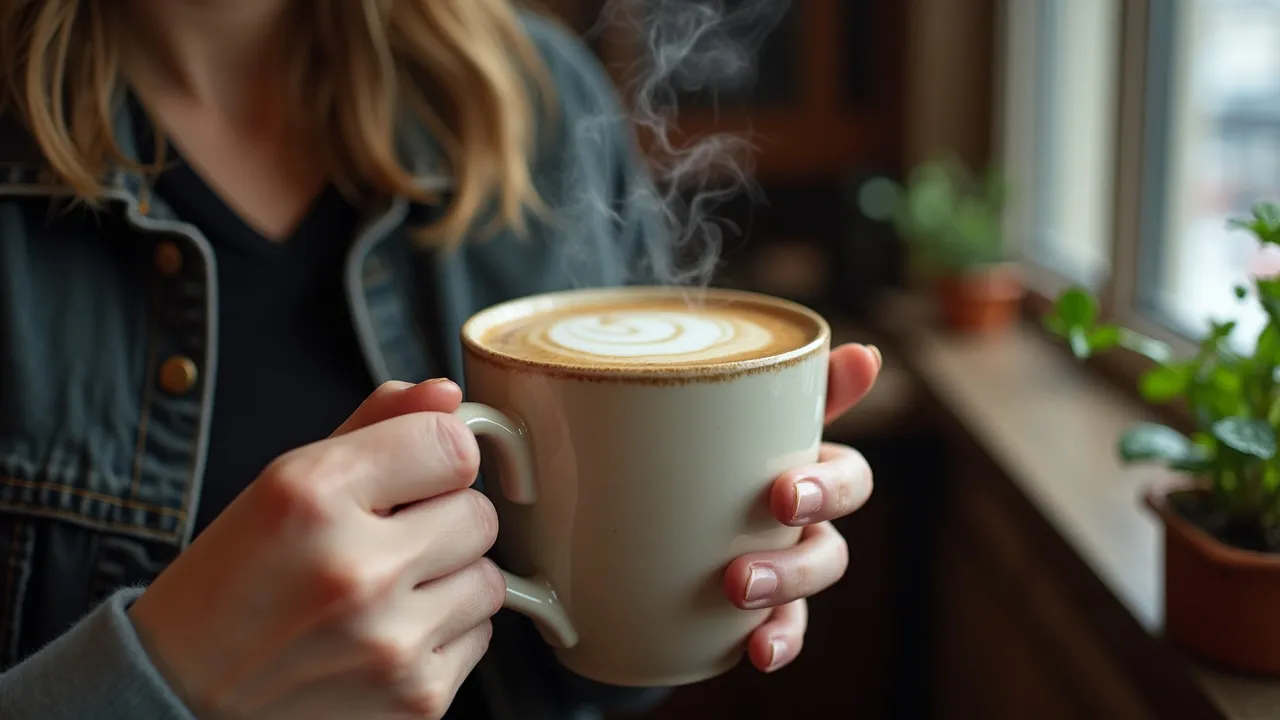
National Peppermint Latte Day on December 3rd celebrates the iconic minty coffee drink that signals the start of the holiday season. Learn its history, global variations, and how to enjoy this festive beverage.
The Historical Origins & Evolutionary Journey
National Peppermint Latte Day, observed annually on December 3rd, is a modern food holiday that has grown from a niche social media trend into a global celebration of winter coffee culture. While the exact origins of the day are unofficial, its roots are deeply tied to the rise of flavored lattes in the late 20th century.
The Foundational Catalyst: The Rise of Specialty Coffee
The peppermint latte as a concept emerged in the mid-1990s when American coffee chains began experimenting with seasonal flavor syrups. Starbucks, which popularized the Peppermint Mocha in 2002, inadvertently created the template for a holiday mint-coffee combination. However, the peppermint latte—made with espresso, steamed milk, and peppermint syrup—appeared in smaller independent cafés earlier. By the early 2000s, peppermint had become synonymous with Christmas, thanks to its association with candy canes and traditional treats.
The Legislative/Official Adoption: The Birth of a Day
National Peppermint Latte Day appears to have been first promoted around 2014 by the National Day Calendar, a website that registers unofficial national days. It gained traction on social media platforms like Instagram and Twitter, where coffee lovers posted photos of their peppermint lattes with the hashtag #NationalPeppermintLatteDay. Unlike government-declared holidays, this day's official status is purely cultural, but it has been embraced by major coffee chains as a marketing opportunity.
Modern Global Legacy
Since 2014, the day has expanded beyond the United States. In Canada, the United Kingdom, and Australia, cafés offer special promotions, and home baristas experiment with recipes. The observance now includes variations like vegan peppermint lattes (using oat or almond milk) and sugar-free versions. It also serves as a soft launch for holiday drink menus, often preceding the wider availability of seasonal beverages.
How to Celebrate National Peppermint Latte Day
Celebrating National Peppermint Latte Day is both simple and versatile, offering activities for individuals, groups, and businesses. Below is the ultimate guide to making the most of December 3rd.
Individual Celebration Ideas
- Visit a Local Café: Support independent coffee shops by ordering their house-made peppermint latte. Many offer unique twists, such as using homemade syrup or garnishing with crushed candy canes.
- DIY at Home: Make your own peppermint latte using espresso or strong brewed coffee, steamed milk, peppermint extract, and sweetener. Top with whipped cream and crushed peppermint.
- Try Global Variations: Experiment with versions from different cultures: the Italian Latte alla Menta, the Japanese Sakura Peppermint Latte, or the Mexican Abuelita Peppermint Mocha.
Social & Group Activities
- Peppermint Latte Tasting Party: Invite friends to sample lattes from multiple cafés or homemade recipes. Vote on the best version.
- Baking Pairing: Serve peppermint lattes with festive treats like gingerbread cookies, candy cane bark, or chocolate mousse.
- Photo Challenge: Share your latte art or holiday mug on social media with #NationalPeppermintLatteDay for a chance to win giveaways from coffee brands.
Corporate & School Involvement
Offices can host a latte bar with peppermint syrups and toppings. Schools with culinary programs can teach students espresso machine skills. Coffee chains often run buy-one-get-one deals or donate a portion of sales to charity.
The Rise of Peppermint Latte in Coffee Culture
Peppermint lattes have become a seasonal icon, but their journey to ubiquity involved strategic marketing, flavor psychology, and cultural shifts.
Flavor Popularity: Why Peppermint Works
Peppermint’s cool, invigorating quality contrasts with the warmth of coffee, creating a sensory experience associated with winter. Studies show that scent-induced nostalgia—particularly the smell of peppermint—triggers positive holiday memories. Coffee chains capitalized on this by introducing the peppermint latte as a limited-time offer, driving urgency and exclusivity.
Starbucks and the Holiday Drink Lineup
Starbucks' Peppermint Mocha (launched 2002) became a flagship holiday drink, but the peppermint latte (without chocolate) later gained a following for purists. By 2015, Starbucks reported that peppermint-flavored drinks accounted for a significant percentage of seasonal sales. Other chains like Dunkin’ and Costa followed suit, cementing the latte's place in mainstream coffee culture.
Social Media Amplification
Platforms like Instagram and Pinterest turned the peppermint latte into a visual phenomenon. The contrast of white foam, green syrup, and red candy cane creates Instagram-worthy photos. Brands now launch exclusive cups and sleeves for the day, further driving engagement.
Health & Ingredient Insights: What's in Your Cup?
Understanding the components of a peppermint latte can help consumers make informed choices, especially on a day of indulgence.
Typical Ingredients
- Espresso or Coffee: The base, providing caffeine and antioxidants.
- Milk: Whole milk adds creaminess, but alternatives like oat, almond, or soy are common for low-fat or vegan options.
- Peppermint Syrup: Made from sugar, water, peppermint extract, and often artificial coloring. Natural versions use essential oils.
- Whipped Cream & Toppings: Adds extra calories and sugar, optional.
Nutritional Profile
A standard 16-ounce (grande) peppermint latte with 2% milk and syrup contains about 350 calories, 50g carbohydrates, and 40g sugar. Sugar-free syrups reduce calories but may use artificial sweeteners. For a healthier version, request fewer syrup pumps, use skim milk, and skip whipped cream. Peppermint itself has digestive benefits and may relieve headaches.
Allergen & Dietary Considerations
Many syrups contain gluten-free ingredients, but check labels. Vegan versions use plant milks and non-dairy whipped toppings. Caffeine-sensitive individuals can opt for decaf espresso, which retains the bold flavor.
Economic Impact: A Billion-Dollar Holiday Observed
National Peppermint Latte Day is not just a cultural phenomenon but a commercial juggernaut. The day kicks off the holiday coffee season, affecting supply chains, marketing budgets, and consumer spending.
Industry Revenue
Seasonal flavored lattes, including peppermint, contribute significantly to coffee chain profits. According to market research, holiday drink sales can increase overall store revenue by 15-20% in December. Starbucks alone sells millions of peppermint mochas and lattes each year. The day itself drives foot traffic to cafés, with many offering limited-time promotions.
Supply Chain & Ingredients
Peppermint syrup production ramps up in autumn. Companies like Torani and Monin report that peppermint is one of their top-selling seasonal flavors. The demand for premium chocolate and candy cane toppings also spikes, benefiting confectionery businesses.
Employment & Local Economies
Independent coffee shops often hire extra baristas for the holiday rush. The day also supports local bakeries that supply pastries to pair with lattes, creating a ripple effect in small business ecosystems.
Global Variations: How the World Drinks Peppermint Latte
While December 3rd is primarily observed in North America, peppermint lattes have been adapted worldwide, reflecting local tastes and traditions.
United States & Canada
The classic version with espresso and steamed milk. In Canada, Tim Hortons offers a Peppermint Hot Chocolate Latte variant. Both countries favor heavy whipped cream and crushed candy cane.
United Kingdom & Ireland
Costa Coffee and Caffè Nero serve peppermint lattes with a stronger tea-like espresso. The UK version often uses peppermint tea bags instead of syrup for a lighter flavor. Some cafés add a dash of cinnamon.
Japan & South Korea
In Japan, the Sakura Peppermint Latte combines cherry blossom and peppermint for spring, but in winter, a plain peppermint latte is popular. South Korea’s dessert cafés add boba pearls or cheese foam toppings.
Mexico & Latin America
The Abuelita Peppermint Mocha uses Mexican chocolate (cinnamon and chili) along with peppermint syrup, creating a spicy-sweet profile. In Brazil, cold peppermint lattes are enjoyed even in their summer.
Australia & New Zealand
Flat white culture dominates, but peppermint lattes are often served in glass mugs with latte art. Some cafés use peppermint-infused milk instead of syrup.
Historical Timeline
Independent coffee shops in the United States begin offering peppermint syrup as a seasonal option, laying the groundwork for the peppermint latte.
Starbucks launches the Peppermint Mocha, a chocolate-peppermint combination that becomes a holiday bestseller and popularizes minty coffee drinks nationwide.
National Peppermint Latte Day is first promoted by the National Day Calendar website, gaining modest attention on social media with the hashtag #NationalPeppermintLatteDay.
Major coffee chains including Dunkin' and McDonald's begin offering peppermint lattes and promoting the day with special deals, significantly increasing public awareness.
The observance spreads to Canada and the United Kingdom, with local chains creating their own variations. Social media engagement grows by 300% compared to prior years.
During the COVID-19 pandemic, home baristas embrace the holiday, with online recipes for DIY peppermint lattes surging. National Peppermint Latte Day trends on Twitter.
The day is now recognized in over 15 countries, with vegan and sugar-free versions widely available. It serves as the unofficial start of holiday coffee season for many retailers.