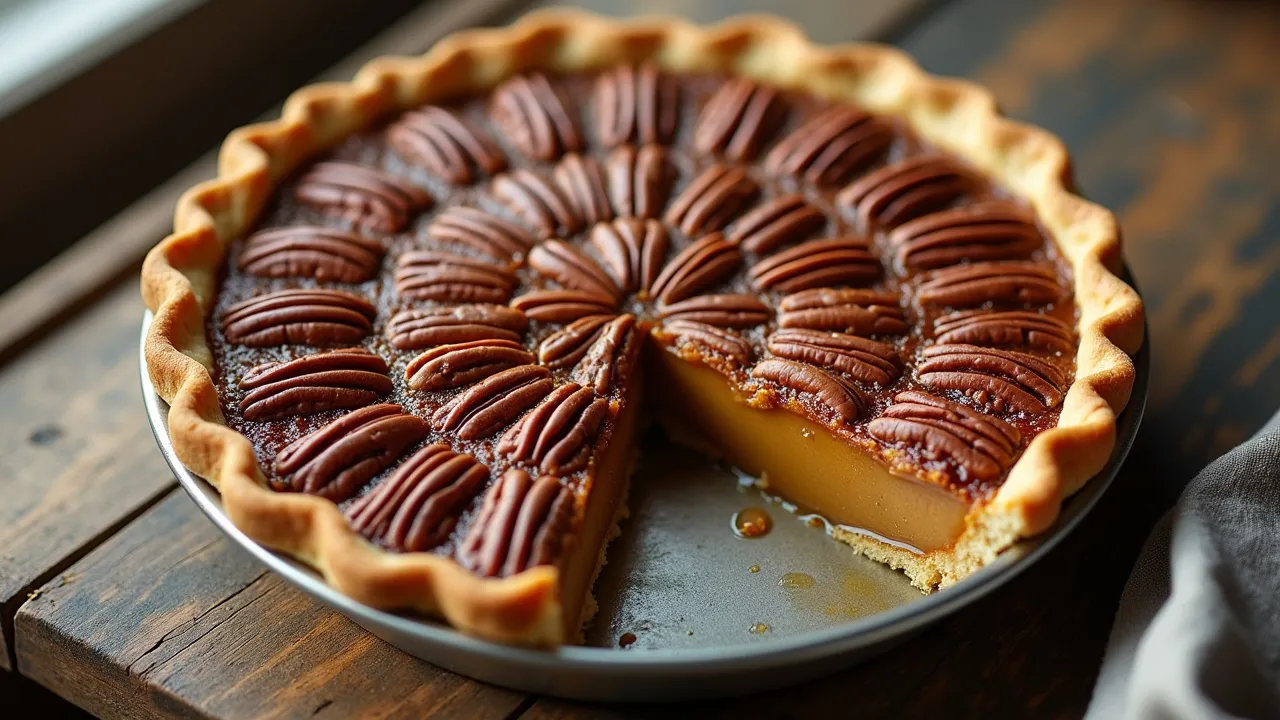
Celebrate National Pecan Pie Day on July 12th! This sweet, nutty dessert combines pecans, corn syrup, and butter in a flaky crust. Learn its history, regional variations, and how to make the perfect pie.
The Rich History of National Pecan Pie Day
National Pecan Pie Day, observed annually on July 12th, honors one of America's most beloved desserts. The holiday itself is a modern creation, but the pie it celebrates has deep Southern roots tracing back to the 19th century. This section explores the origins of pecan pie, the evolution of its recipe, and how the observance became a national tradition.
The Foundational Catalyst
Pecans are native to North America and were a staple in Indigenous cuisines long before European settlement. The first recorded pecan pie recipe appeared in the 1886 cookbook 'Texas State Cookbook' by F. Lyndon, using a simple filling of eggs, sugar, and pecans. However, the modern version with corn syrup emerged in the 1930s when Karo syrup's parent company, the Corn Products Refining Company, published a recipe on their syrup labels. This recipe, calling for just eggs, sugar, Karo syrup, butter, and pecans, became the standard. The pie's popularity soared, especially in the South, where it became a holiday staple.
The Adoption as a National Celebration
The exact origin of National Pecan Pie Day is unclear, but it likely gained traction in the early 2000s as food holidays proliferated on social media and food blogs. The American Pie Council, a nonprofit dedicated to preserving America's pie heritage, has been instrumental in promoting pie-related observances. July 12th was chosen to celebrate pecan pie in the middle of summer, offering a sweet break from lighter fare. Unlike some holidays with a clear founder, National Pecan Pie Day evolved organically through communal celebration.
Modern Global Legacy
Today, National Pecan Pie Day is celebrated across the United States and increasingly worldwide. Bakers share recipes, restaurants feature pecan pie specials, and social media buzzes with #NationalPecanPieDay posts. The day also highlights the pecan industry, which produces over 300 million pounds of pecans annually in the U.S. alone. As pecan pie gains international fans, variations like chocolate pecan pie, bourbon pecan pie, and even vegan versions have emerged, ensuring the tradition lives on.
How to Celebrate National Pecan Pie Day
National Pecan Pie Day offers a perfect excuse to indulge in this nutty, sweet treat. Whether you're a seasoned baker or a novice, there are countless ways to join the celebration. Below is the ultimate guide to making the most of July 12th.
Traditional Baking Methods
- Classic Recipe: Use a 9-inch pie crust, 1 cup of Karo light corn syrup, 1 cup sugar, 3 eggs, 2 tablespoons melted butter, 1 teaspoon vanilla, and 1.5 cups pecan halves. Bake at 350°F for 50-60 minutes.
- Tip for Perfect Texture: Toast the pecans before adding to the filling for extra depth. Allow the pie to cool completely before slicing to set the filling.
- Variations to Try: Add a tablespoon of bourbon or rum, swap corn syrup for maple syrup, or sprinkle chocolate chips on the bottom crust before pouring the filling.
Hosting a Pecan Pie Party
- Potluck Style: Invite friends to bring their own pecan pie variations. Award prizes for categories like 'Best Classic', 'Most Creative', and 'Best Gluten-Free'.
- Tasting Flight: Offer small slices of different pecan pies—traditional, chocolate, praline, and vegan—so guests can compare.
- Pie and Ice Cream Bar: Set up a self-serve station with vanilla ice cream, whipped cream, caramel sauce, and crushed pecans for toppings.
Corporate and Social Rituals
Workplaces can celebrate by ordering pecan pies from local bakeries for the break room. Schools can incorporate a lesson on pecan farming or Southern cuisine. Nonprofits can host bake sales with proceeds supporting pecan orchard conservation. On social media, share your pie creations with hashtags like #NationalPecanPieDay and #PecanPieLove. Engage with the community by posting historical facts or your favorite recipe.
The Cultural Significance of Pecan Pie in America
Pecan pie is more than a dessert; it is a symbol of Southern hospitality, family gatherings, and American culinary heritage. Its sticky sweetness and crunchy top have made it a fixture at Thanksgiving, Christmas, and now National Pecan Pie Day. The pie's roots in African American and Native American cuisines underscore its cultural depth. In the South, pecan pie is often served at church socials, family reunions, and holiday dinners. The dish also represents the pecan harvest, which peaks in the fall, though the pie is enjoyed year-round. National Pecan Pie Day reinforces these traditions, encouraging both preservation and innovation.
Pecan Pie Variations Around the World
While pecan pie is quintessentially American, its influence has spread globally, leading to unique adaptations. In Australia, bakers sometimes add macadamia nuts alongside or instead of pecans. In Mexico, a similar dessert called 'pastel de nuez' uses less sugar and adds cinnamon. European versions might use a shortcrust pastry and incorporate dark chocolate or espresso. Vegan and gluten-free versions have also proliferated, using dates or maple syrup as binders and almond flour for crusts. These variations show the pie's versatility and global appeal.
The Economic Impact of National Pecan Pie Day
National Pecan Pie Day provides a boost to the pecan industry, which is concentrated in states like Georgia, Texas, New Mexico, and Oklahoma. On July 12th, sales of pecans and pie ingredients spike. According to the American Pecan Council, pecan sales increase by up to 20% in the week surrounding the holiday. Bakeries and restaurants also see increased traffic, with many offering specials. The observance also supports local farmers' markets and online vendors selling pecan pies. This economic ripple effect highlights how a food holiday can drive commerce and support agriculture.
Health and Nutritional Aspects of Pecan Pie
Pecan pie is undeniably rich in calories, but it also offers nutritional benefits. Pecans are packed with healthy monounsaturated fats, fiber, and antioxidants like vitamin E. A typical slice (1/8 of a 9-inch pie) contains about 500-600 calories, depending on the recipe. While not a health food, enjoying pecan pie in moderation can be part of a balanced diet. For those looking to lighten up, there are lower-sugar versions using stevia or monk fruit, and crustless pies that reduce carbs. National Pecan Pie Day can also be an opportunity to appreciate the natural goodness of pecans.
Pecan Pie in Popular Culture
Pecan pie has made numerous appearances in film, television, and literature. In the classic film 'Fried Green Tomatoes', characters share a pecan pie that symbolizes community. TV shows like 'The Great British Baking Show' have featured pecan pie in technical challenges. In literature, pecan pie often represents comfort and homecoming. On social media, influential food bloggers and celebrity chefs like Paula Deen and Alton Brown have shared their takes on the dessert. National Pecan Pie Day amplifies these cultural references, making the pie a star for a day.
The Future of National Pecan Pie Day
As awareness of food holidays grows, National Pecan Pie Day is likely to become even more prominent. Future trends may include sustainability-focused celebrations, such as supporting farms that use regenerative practices. The rise of plant-based diets may lead to more vegan pecan pie options. Additionally, the day could see more official recognition from local governments or organizations. With its deep roots and delicious appeal, National Pecan Pie Day is set to remain a cherished date on the culinary calendar.
Historical Timeline
First printed recipe for 'Pecan Cake' appears in the 'Texas State Cookbook' by F. Lyndon, which closely resembles modern pecan pie without corn syrup.
Karo syrup company publishes the iconic recipe on their syrup labels, standardizing pecan pie with corn syrup and making it a household staple.
Pecan pie is featured in the 'Joy of Cooking' cookbook, cementing its place in American cuisine.
Pecan pie becomes a popular dessert at family gatherings and chain restaurants like Cracker Barrel.
National Pecan Pie Day begins to be observed informally on July 12th, promoted by food bloggers and the American Pie Council.
Social media amplifies the celebration with hashtags like #NationalPecanPieDay, turning it into a viral trend.
The American Pecan Council officially promotes the day, partnering with bakeries and retailers for nationwide specials.
Virtual baking contests and online pie deliveries become popular due to the pandemic, expanding the day's reach.