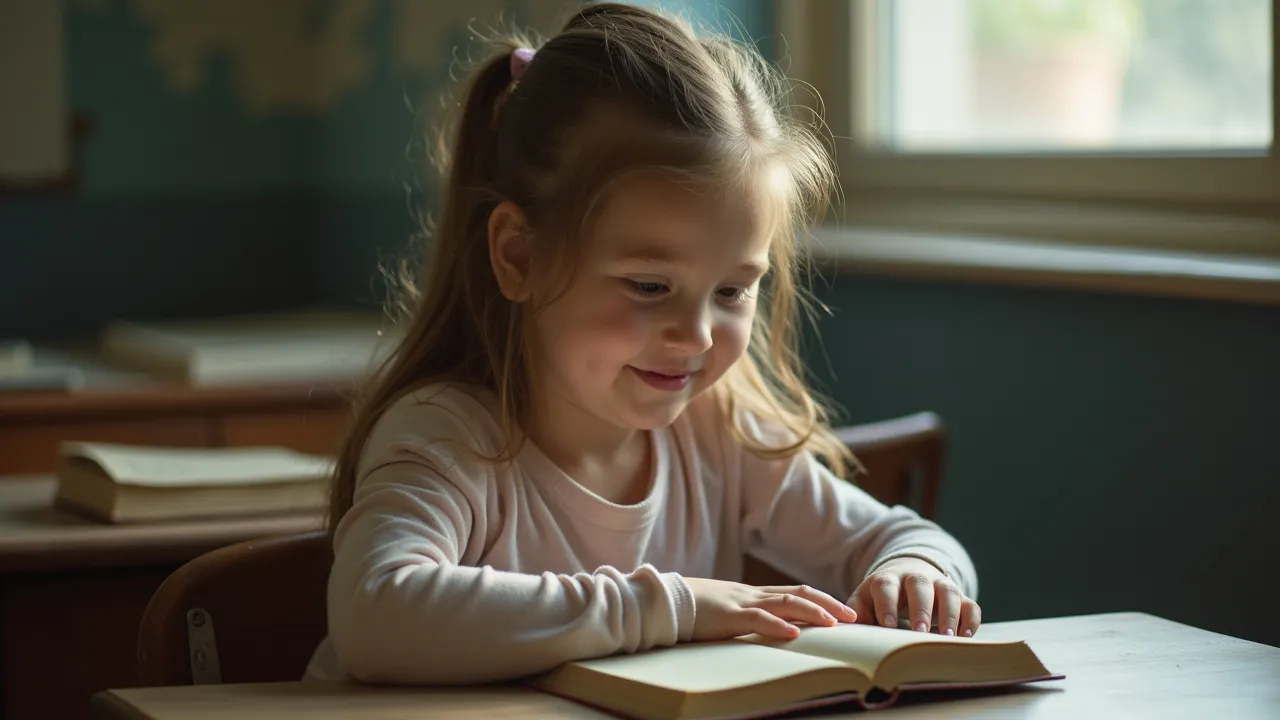
Malala Day, observed on July 12th, honors Malala Yousafzai's courageous fight for girls' education worldwide. It is a UN-designated day to advocate for every girl's right to 12 years of free, quality education.
The Historical Origins & Evolutionary Journey
The Foundational Catalyst
Malala Day commemorates the birthday of Malala Yousafzai, born on July 12, 1997, in Mingora, Pakistan. Her advocacy for girls' education began at age 11 when she wrote a blog for the BBC Urdu under a pseudonym, detailing life under the Taliban's ban on female education. On October 9, 2012, a Taliban gunman shot her in the head, an attack that sparked global outrage and solidarity.
The Legislative/Official Adoption
In recognition of her resilience and activism, the United Nations declared July 12th as Malala Day in 2013. On her 16th birthday, Malala delivered a powerful speech at the UN headquarters, calling for universal access to education. The day was formally adopted as a day of advocacy, not a public holiday, to encourage governments and organizations to prioritize girls' education.
Modern Global Legacy
Since its inception, Malala Day has evolved into a global movement. It is marked by rallies, fundraising campaigns, and educational events. The Malala Fund, co-founded by Malala and her father, continues to invest in local educators and activists in countries like Pakistan, Nigeria, and Afghanistan. The day has influenced policies such as the Global Partnership for Education's replenishment and the UN's Sustainable Development Goal 4 on quality education.
- 2013: First Malala Day observed with UN speech
- 2014: Malala and her father Ziauddin awarded Nobel Peace Prize
- 2020: Malala graduates from Oxford University
- 2023: 10th anniversary of Malala Day
How to Celebrate Malala Day
Individual Actions
Celebrating Malala Day involves both reflection and action. Here are ways individuals can participate:
- Educate Yourself: Read Malala's memoir "I Am Malala" or watch the documentary "He Named Me Malala."
- Donate: Contribute to the Malala Fund or similar organizations supporting girls' education.
- Advocate: Write to your local representatives urging them to fund global education programs.
- Social Media: Share facts about girls' education using #MalalaDay and #GirlsEducation.
School & Community Events
Schools and community groups can organize:
- Film screenings of Malala's story followed by discussion.
- Book drives to collect new or gently used books for underprivileged schools.
- Fundraising walks or runs with proceeds going to education charities.
- Letter-writing campaigns to female students in conflict zones.
Corporate & Organizational Engagement
Companies can mark Malala Day by:
- Matching employee donations to education nonprofits.
- Hosting a lunch-and-learn on the importance of gender equality in education.
- Launching a scholarship program for girls in underserved communities.
In some countries, schools hold special assemblies or dedicate the day to discussing Malala's legacy. In Pakistan, despite official recognition, celebrations remain subdued due to security concerns; however, activists hold private gatherings.
Global Impact on Education Advocacy
Policy Changes
Malala Day has helped elevate girls' education on international agendas. The UN's Education Cannot Wait fund and the Global Partnership for Education have seen increased pledges. In 2015, world leaders adopted Sustainable Development Goal 4, aiming for inclusive and equitable quality education by 2030. Malala's advocacy directly influenced the goal's focus on gender parity.
Funding Increases
Since 2013, donor governments have committed over $2 billion to girls' education programs. The Malala Fund itself has invested more than $100 million in grassroots organizations in over 20 countries. Example programs include:
- Nigeria: Supporting community schools for displaced girls.
- Afghanistan: Funding secret schools for girls under Taliban rule.
- Pakistan: Providing scholarships for girls in rural areas.
Cultural Shifts
The day has also contributed to changing social norms. In many conservative communities, Malala's story has sparked conversations about the value of educating girls. Surveys show that awareness of girls' education rights has increased significantly in countries where Malala Day is observed.
Challenges and Ongoing Struggles
Despite progress, millions of girls remain out of school. Conflict, poverty, and discriminatory practices are major barriers. As of 2025, over 130 million girls worldwide are not in school, with the highest rates in sub-Saharan Africa and South Asia. Malala Day highlights these challenges and calls for urgent action.
Regional Conflicts
In Afghanistan, the Taliban's ban on girls' secondary education remains a critical issue. Malala has repeatedly condemned this policy. In parts of Nigeria, Boko Haram attacks have disrupted schooling. The day serves as a reminder of the need for safe learning environments.
Climate and Economic Pressures
Climate change and economic instability force many families to pull girls out of school. Droughts and floods reduce household incomes, and girls are often the first to be denied education. Malala Day campaigns increasingly address these intersecting crises.
Advocates call for debt relief, climate adaptation funds, and targeted investments in education. The Education for All movement uses Malala Day to lobby for increased official development assistance.
Ways to Get Involved Beyond Malala Day
Volunteer Opportunities
- Become a mentor for girls through organizations like Girl Up or Plan International.
- Tutor student refugees online via platforms like Paper Airplanes.
- Join a local chapter of the Malala Fund or start your own club.
Career & Advocacy
Consider careers in education policy, international development, or nonprofit management. Use your skills to advocate for change. Social media influencers can amplify the message by creating content about girls' education throughout the year.
Fundraising Ideas
Host a bake sale, online auction, or crowdfunding campaign. Every dollar can help provide textbooks, school supplies, or teacher training. Partner with local businesses to match donations.
Schools can adopt a sister school in a low-income country, exchanging letters and support. This builds global citizenship and empathy.
Future Outlook: The Next Decade of Malala Day
As Malala Day approaches its second decade, the focus is shifting toward sustainable, long-term solutions. The Malala Fund plans to expand its reach to more countries, with an emphasis on climate-resilient education. Technology will play a key role—providing digital learning tools for girls in remote areas.
Goal 2030
The international community aims to achieve universal secondary education by 2030. Malala Day will continue to be a barometer of progress. Activists are pushing for more accountability from governments and international bodies.
Youth Leadership
A new generation of young activists, inspired by Malala, is emerging. Malala Day provides a platform for these voices. Annual events like the Malala Day Summit (virtual and in-person) bring together youth leaders to share strategies and solutions.
With continued support, Malala Day can help ensure that every girl has the opportunity to learn, lead, and transform her community.
Historical Timeline
Malala Yousafzai is born on July 12 in Mingora, Pakistan.
Malala begins writing a blog for the BBC Urdu about life under the Taliban's ban on girls' education.
Malala is shot by a Taliban gunman while returning home from school. She survives after undergoing surgery in the UK.
On her 16th birthday, Malala delivers a speech at the UN Headquarters, and the UN declares July 12 as Malala Day.
Malala and her father Ziauddin Yousafzai are jointly awarded the Nobel Peace Prize for their struggle against the suppression of children's education.
The UN adopts the Sustainable Development Goals, including SDG 4 on quality education, influenced by Malala's advocacy.
The Malala Fund launches the Gulmakai Network to support education activists in developing countries.
Malala graduates from Oxford University with a degree in Philosophy, Politics, and Economics.
The Taliban regains control of Afghanistan and imposes bans on girls' secondary education; Malala Fund responds with emergency support.
10th anniversary of Malala Day; global events highlight the ongoing fight for girls' education.