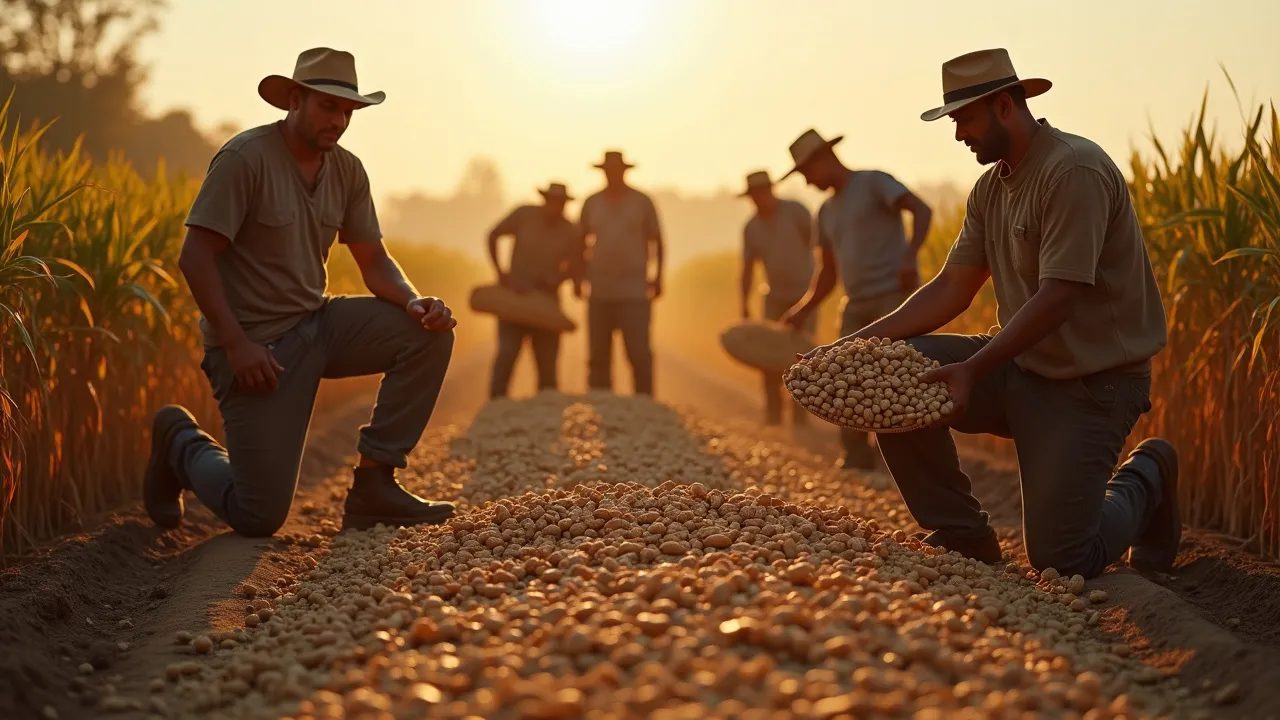
National Peanut Day on September 13th celebrates the beloved legume enjoyed worldwide as a snack, butter, and ingredient. This day honors peanuts' rich history, from ancient cultivation to modern global cuisine.
The Historical Origins & Evolutionary Journey
National Peanut Day, observed annually on September 13th, traces its roots to the humble beginnings of the peanut plant (Arachis hypogaea) in South America. Archaeological evidence suggests peanuts were cultivated over 3,500 years ago by ancient civilizations in Peru and Brazil. The peanut's journey from wild legume to global commodity is a story of exploration, ingenuity, and economic transformation.
The Foundational Catalyst
When Spanish explorers arrived in the New World in the 1500s, they encountered peanuts and transported them back to Europe, from where they spread to Asia, Africa, and North America. The legume thrived in tropical and subtropical climates, becoming a dietary staple in many cultures. In the United States, peanuts gained prominence after the Civil War, particularly due to the tireless efforts of agricultural scientist George Washington Carver. Born into slavery, Carver dedicated his life to researching peanuts and developing hundreds of applications, including peanut butter, ink, shampoo, and cattle feed. His work, published in the 1916 bulletin 'How to Grow the Peanut and 105 Ways of Preparing It for Human Consumption,' revolutionized Southern agriculture and provided farmers with a profitable alternative to cotton.
The Legislative/Official Adoption
While National Peanut Day is not an official federal holiday, it was promoted by peanut industry associations in the early 20th century to commemorate Carver's contributions and to boost peanut consumption. The National Peanut Council, established in 1941, officially designated September 13th as National Peanut Day. The date was strategically chosen to coincide with the peak of the peanut harvest season in the United States, encouraging Americans to enjoy the fresh crop. Since then, the day has been observed with festivals, educational events, and marketing campaigns by peanut growers, processors, and retailers. The observance has grown to include international participation, with countries like China and India adopting the day to promote their peanut products.
Modern Global Legacy
Today, National Peanut Day serves as a global celebration of peanuts' nutritional, economic, and cultural significance. From street vendors in Thailand selling roasted peanuts to gourmet peanut butter treats in France, the humble legume enjoys universal appeal. The day also highlights ongoing research into peanut allergy treatments and sustainable farming practices. As climate change poses challenges to agriculture, peanuts are recognized for their resilience and low water footprint. Celebrations now often include social media campaigns, recipe sharing, and charitable peanut butter drives to support food-insecure communities. The legacy of George Washington Carver continues to inspire innovations in peanut-based bioplastics and biofuels, ensuring that National Peanut Day remains relevant for generations to come.
- Key Milestones:
- 3,500 years ago: First cultivation in South America
- 1500s: Introduction to Europe and Asia by Spanish traders
- 1900: Modern peanut butter invented by Dr. John Harvey Kellogg
- 1916: George Washington Carver publishes peanut bulletin
- 1941: National Peanut Day first observed
- 2000s: Rise of global peanut trade
How to Celebrate National Peanut Day
National Peanut Day offers numerous ways to appreciate this versatile legume. Whether you are a peanut enthusiast or a newcomer, here are celebration ideas organized by audience.
For Individuals
- Enjoy your favorite peanut snack: roast peanuts, make peanut butter sandwiches, or try spicy peanut noodles.
- Host a peanut tasting party: sample different varieties (dry roasted, honey roasted, boiled peanuts).
- Support local peanut farmers by purchasing directly from markets or supporting farm-to-table initiatives.
- Share your love on social media using hashtags like #NationalPeanutDay and #PeanutLover.
For Schools
- Educational sessions on peanut farming and George Washington Carver's contributions.
- Art projects using peanut shells or making peanut butter from scratch.
- Fundraising for peanut butter drives to support local food banks.
- Classroom cooking demonstrations of simple peanut recipes.
For Organizations
- Host a peanut-themed potluck where employees bring peanut-based dishes.
- Develop marketing campaigns highlighting peanut products.
- Donate peanut butter to shelters or schools in need.
- Organize a peanut recipe contest with prizes.
Global Traditions
In the United States, many communities hold peanut festivals with contests and tastings. In Ghana, National Peanut Day is celebrated with community groundnut roasting festivals and preparation of groundnut soup. In the Philippines, peanut butter is used in traditional dishes like kare-kare and adobo, and the day includes cooking demonstrations. In China, peanuts are a symbol of prosperity, often included in celebratory dishes, and the day is marked by peanut-themed banquets. Understanding these global traditions enriches the celebration and fosters cultural appreciation.
Nutrition and Health Benefits of Peanuts
Peanuts are often mistaken as nuts, but they are legumes packed with health benefits. They are an excellent source of protein, healthy fats, vitamins, and minerals. Regular consumption is linked to reduced risk of heart disease, improved blood sugar control, and weight management.
Rich Nutrient Profile
- Protein: about 7g per ounce, ideal for muscle repair and satiety.
- Healthy unsaturated fats: monounsaturated and polyunsaturated, supporting heart health.
- Fiber: 2.4g per ounce, aiding digestion and blood sugar regulation.
- Essential vitamins and minerals: Vitamin E, B vitamins (niacin, folate), magnesium, phosphorus, and potassium.
Heart Health
Studies have shown that peanut consumption can lower LDL (bad) cholesterol and triglycerides, reducing cardiovascular disease risk. The high monounsaturated fat content is beneficial for heart health, and the presence of antioxidants like resveratrol adds further protection.
Weight Management
Despite being calorie-dense, peanuts promote satiety due to protein and fiber, helping control appetite. They are a smart snack for those watching weight when consumed in appropriate portions (about a handful per day). Research indicates that peanut eaters tend to have a lower body mass index.
Antioxidant Properties
Peanuts contain resveratrol, also found in red wine, which has antioxidant and anti-inflammatory effects. Additionally, peanuts are rich in flavonoids and phenolic acids, which combat oxidative stress.
Global Peanut Industry and Economy
The peanut industry is a multi-billion dollar global sector that supports millions of livelihoods. The top producers include China, India, the United States, Nigeria, and Argentina. In the U.S., peanuts are primarily grown in the Southeast (Georgia, Alabama, Florida, Texas) and the Southwest (New Mexico, Oklahoma). The industry encompasses farming, shelling, processing, and manufacturing of peanut butter, oil, snacks, and flour.
Major Producers and Trade
- China: world's largest peanut producer, accounting for about 40% of global production, with heavy domestic consumption.
- India: second largest, with significant internal market as well as exports.
- United States: fourth largest, known for high-quality runner and Virginia peanuts, exporting to over 100 countries.
- Nigeria: leading producer in Africa, with groundnuts being a staple crop.
- Argentina: major exporter of peanut oil and confectionery peanuts.
Peanuts are traded globally as raw, shelled, or processed products. The industry faces challenges such as aflatoxin contamination, price volatility, and climate change impacts. However, innovations in farming practices (like precision agriculture) and biotechnology (drought-resistant varieties) are improving sustainability and yield.
Peanut in Culture and Cuisine
Peanuts have a rich cultural presence in cuisines across continents. In the American South, boiled peanuts are a beloved snack; peanut butter is a staple in many households. In Southeast Asia, peanuts appear in satay sauces, pad Thai, and spring rolls. In West Africa, groundnut stew (maafe) is a hearty dish. In Latin America, peanuts are used in mole sauces or as a snack.
Iconic Peanut Dishes
- Peanut butter and jelly sandwich (USA)
- Kung Pao chicken (China)
- Goma-dare (Japanese sesame-peanut dipping sauce)
- Maafe (West African peanut stew)
- Sambal kacang (Indonesian peanut sauce)
- Boiled peanuts (American South)
Peanut in Snack Foods
From candy bars to trail mixes, peanuts are a popular snack ingredient. They are also used in peanut oil for frying, known for its high smoke point and mild flavor. In many cultures, roasted peanuts are a common street food.
Sustainability and Environmental Impact of Peanut Farming
Peanut farming offers environmental advantages. As legumes, peanuts fix nitrogen in the soil, reducing the need for nitrogen fertilizers. They are often grown in rotation with cotton or corn, improving soil health and breaking pest cycles. Peanut plants also have a relatively low water footprint compared to almonds or walnuts, making them a more sustainable choice for water-scarce regions.
Sustainable Practices
- Conservation tillage: reduces soil erosion and fuel use.
- Integrated pest management: minimizes chemical pesticides.
- Cover crops: enhance soil organic matter and biodiversity.
- Precision agriculture: optimizes water and fertilizer use.
However, challenges remain, such as managing aflatoxin-producing molds and the need for specialized harvesting equipment. The industry is moving toward more sustainable practices to ensure long-term viability, including research into safer storage methods and climate-resilient peanut varieties.
Peanut Butter: The Beloved Spread
Peanut butter is one of the most popular peanut products, consumed in many forms worldwide. It was first invented in 1895 by Dr. John Harvey Kellogg, who patented a process for creating a paste from roasted peanuts. Later, in 1903, Dr. Ambrose Straub of St. Louis developed a peanut butter machine, making it easier to produce. The spread gained commercial success in the 1920s with brands like Skippy and Jif.
Varieties of Peanut Butter
- Crunchy: with small peanut pieces for added texture.
- Smooth: creamy and spreadable, preferred for sandwiches.
- Natural: made with only peanuts and salt, without added oils or sugar.
- Powdered: defatted peanut flour used in smoothies and baking.
Peanut Butter in Recipes
Beyond sandwiches, peanut butter is used in cookies, sauces (like satay), desserts (peanut butter pie, fudge), and savory dishes (peanut soup). It is also a popular ingredient in energy bars and protein shakes.
Historical Timeline
First cultivation of peanuts by Andean civilizations in Peru and Brazil.
Spanish explorers bring peanuts to Europe and Asia, introducing the legume to new regions.
Dr. John Harvey Kellogg patents a process for creating peanut butter, originally as a protein substitute for patients.
George Washington Carver publishes 'How to Grow the Peanut and 105 Ways of Preparing It for Human Consumption,' boosting peanut's popularity.
National Peanut Council designates September 13 as National Peanut Day to celebrate the harvest and promote consumption.
Peanut butter and jelly sandwich becomes a lunchbox staple in the United States, cementing peanut's place in popular culture.
Global peanut trade expands, with countries like China and India becoming major producers. Peanut allergy awareness also rises.
Social media campaigns popularize National Peanut Day globally, with millions sharing recipes and celebrating online.