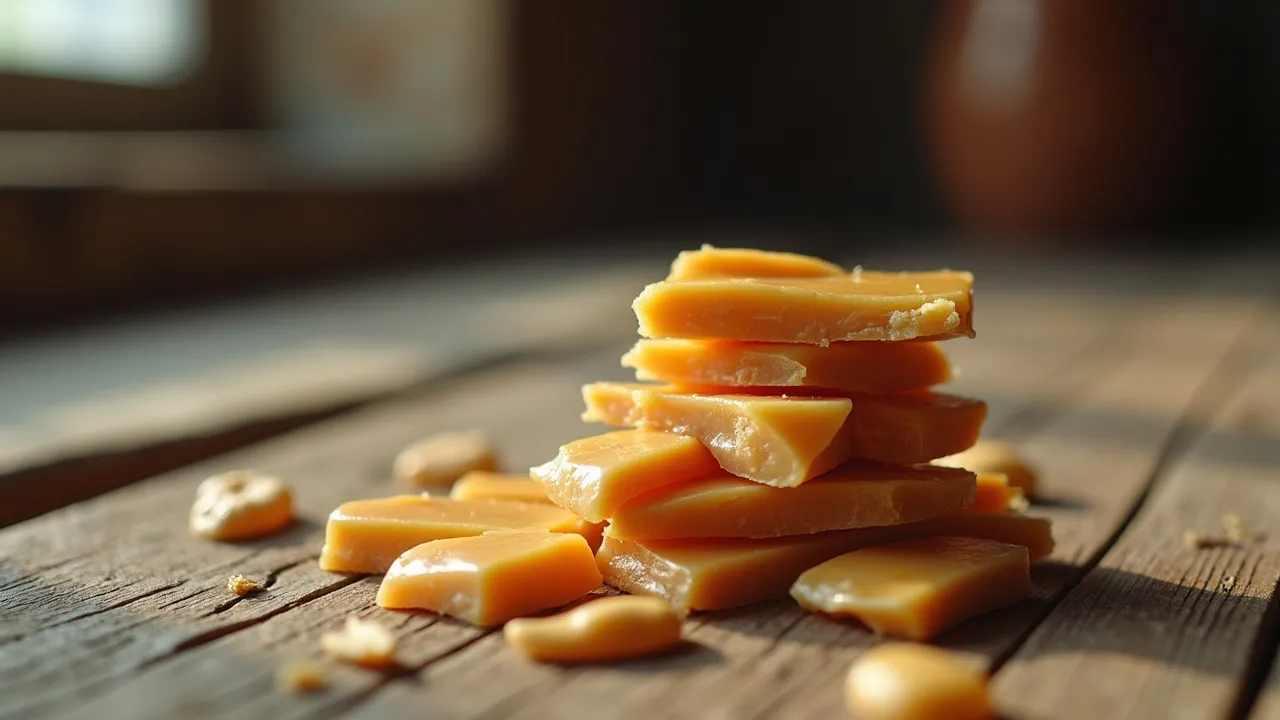
Celebrated on January 26th, National Peanut Brittle Day honors the crunchy, sweet confection with a rich history in American candy-making. Discover its origins, cultural significance, and delicious ways to enjoy this classic treat.
The Historical Origins & Evolutionary Journey
National Peanut Brittle Day, observed annually on January 26th, celebrates a confection that has delighted palates for generations. Peanut brittle is a type of brittle candy made by caramelizing sugar, mixing in peanuts, and spreading it thin to cool. Its origins are deeply rooted in American culinary history, with influences from European toffee and nut-based sweets.
The Foundational Catalyst
The exact origins of peanut brittle are murky, but it likely emerged in the early 20th century as a creative use of two abundant ingredients: peanuts and sugar. Some food historians trace it to the American South, where molasses-based brittles were common. A popular legend attributes the invention to a Southern home cook named Mrs. Joe Parkinson, who supposedly made the first batch in the 1890s. However, no concrete evidence supports this claim. What is known is that by the 1940s, peanut brittle became a staple of homemade candy making, especially during the Depression era when affordable treats were prized.
The Legislative/Official Adoption
Unlike many food holidays, National Peanut Brittle Day was not officially proclaimed by a government body. It appears to have been established in the mid-20th century by candy manufacturers or peanut industry groups to promote sales. The exact year and founder are unknown, but the day gained traction through word of mouth and early food marketing campaigns. Despite its unofficial status, it is widely recognized in candy industry calendars and by confectionery enthusiasts.
Modern Global Legacy
Today, peanut brittle is enjoyed worldwide, with variations using local nuts like almonds, cashews, or pistachios. In the United States, it remains a beloved holiday gift and a symbol of homemade goodness. National Peanut Brittle Day encourages both making and sharing this treat, keeping a centuries-old tradition alive.
How to Celebrate National Peanut Brittle Day
January 26th is the perfect day to honor peanut brittle in all its crunchy glory. Whether you prefer traditional recipes or innovative twists, here are ways to celebrate globally.
Essential Celebration Strategies
- Homemade Batch: Cook a classic peanut brittle using sugar, corn syrup, peanuts, and a dash of vanilla. Use a candy thermometer for perfect crunch.
- Gifting: Pack brittle in decorative tins or cellophane bags and share with neighbors, coworkers, or friends.
- School Events: Organize a brittle-making demonstration for students, teaching kitchen safety and the science of caramelization.
- Corporate Activities: Host a candy swap or brittle tasting competition in the office.
Global Traditions
- United States: Many bakeries offer free samples, and home cooks compete for the best batch. In the South, it’s often paired with homemade ice cream.
- United Kingdom: While not as widespread, brittle is sometimes called "nut brittle" and enjoyed during fairs. Some use golden syrup for a softer texture.
- India: A similar sweet called "peanut chikki" is popular during festivals like Lohri, made with jaggery instead of white sugar.
- Mexico: "Palanqueta" or "peanut brittle" is sold in markets, often with a hint of cinnamon or chili powder.
No matter where you are, the key is to share and savor this simple yet addictive sweet.
Cultural Significance & Societal Impact
Peanut brittle holds a unique place in American nostalgia, evoking memories of grandmothers’ kitchens and holiday baking sessions. It symbolizes resourcefulness—using simple pantry staples to create a treat that survived economic hardships. The day also highlights the agricultural importance of peanuts, which are a major crop in states like Georgia and Texas.
Peanut Brittle in Pop Culture
Reference to peanut brittle appears in movies, songs, and literature. It is a classic example of homemade candy in mid-century cookbooks. The phrase "brittle as peanut brittle" is used metaphorically to describe something fragile.
Community Bonding
Making peanut brittle is often a communal activity, passed down through generations. This day fosters intergenerational connections as elders teach younger ones the careful art of candy making.
Health & Nutritional Aspects
While peanut brittle is high in sugar, it does offer some nutritional benefits when consumed in moderation. Peanuts provide protein, healthy fats, fiber, and essential vitamins like Vitamin E and B6. However, the caramelized sugar and corn syrup add empty calories.
Dietary Considerations
- Calories: A 1-ounce serving (about 28 grams) has approximately 130-150 calories.
- Allergens: Contains peanuts; may also contain traces of tree nuts if processed in shared facilities.
- Vegan-Friendly: Most recipes are vegan, as they use no dairy or eggs. Check labels for butter in some variations.
For a healthier twist, try using honey or coconut sugar, and add seeds like pumpkin seeds for extra nutrients.
Peanut Brittle Varieties Worldwide
The basic concept of caramelized nuts spreads across cultures, each with a unique spin.
Regional Varieties
| Region | Name | Key Ingredients |
|---|---|---|
| USA | Peanut Brittle | White sugar, corn syrup, peanuts, baking soda |
| Mexico | Palanqueta | Piloncillo (unrefined cane sugar), peanuts |
| India | Peanut Chikki | Jaggery, peanuts, cardamom |
| Scotland | Tablet | Similar but creamier, often with almonds |
These variations show how a simple candy adapts to local tastes and ingredients.
The Economics of Peanut Brittle
Peanut brittle is a niche but stable segment of the confectionery market. In the U.S., commercial brands like Planters, Snyder's of Hanover, and local candy shops produce millions of pounds annually. The day boosts sales for retailers and small businesses.
Industry Impact
- Peanut Farmers: Increased demand during January helps move inventory after the holiday season.
- Artisan Candy Makers: Many use the day to launch special flavors (e.g., chocolate-dipped or salted caramel brittle).
- Online Sales: Etsy and specialty food sites see a spike in brittle sales.
Fun Facts & Trivia
The world’s largest peanut brittle weighed over 5,000 pounds and was made in 2008 by the Peanut Advisory Board.
Peanut brittle is sometimes called "candy that breaks your teeth" because of its hardness.
During World War II, peanut brittle was sent to soldiers as a non-perishable treat.
In the 1950s, an advertising campaign claimed peanut brittle was "the candy that built America" due to its peanut-based energy.
Historical Timeline
Legendary first creation of peanut brittle by a Southern home cook named Mrs. Joe Parkinson, though unverified.
First known printed recipe for peanut brittle appears in a cookbook by Mrs. A. P. Hill.
Peanut brittle becomes popular as a homemade treat due to cheap peanuts and sugar.
National Peanut Brittle Day is unofficially established, likely by candy manufacturers.
Planters Peanuts begins mass-producing peanut brittle, making it widely available in stores.
World's largest peanut brittle (5,000 lbs) made by the Peanut Advisory Board in Georgia.
Artisan brittle makers emerge, using gourmet ingredients like sea salt, dark chocolate, and organic nuts.