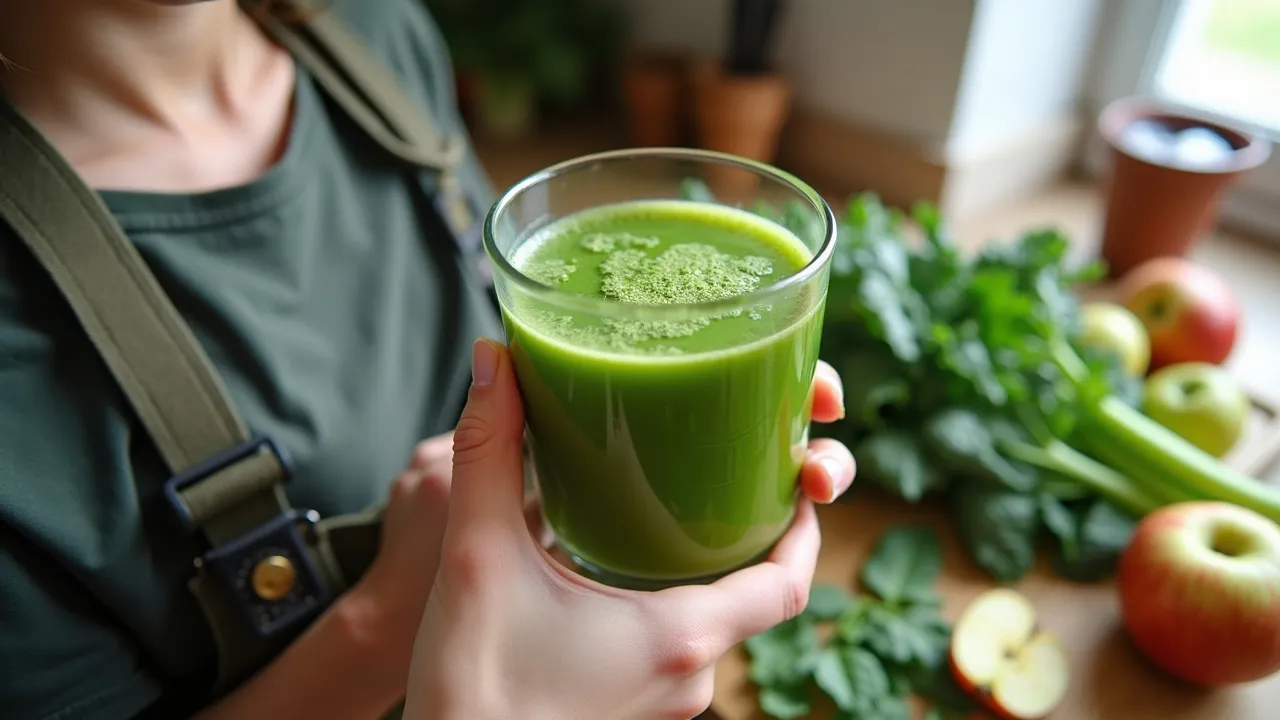
National Green Juice Day, observed annually on January 26th, celebrates the health benefits and refreshing taste of green juices. This day encourages people to incorporate nutrient-rich green beverages into their diets for improved wellness.
The Historical Origins & Evolutionary Journey
The origins of National Green Juice Day trace back to the early 2010s, when the global wellness movement began to mainstream the consumption of fresh vegetable and fruit juices. The day was formally established in 2012 by the Global Juice Brands Association as a marketing and health initiative to promote the nutritional benefits of green juices.
The Foundational Catalyst
Green juice, as a concept, has roots in ancient dietary practices. Traditional Chinese medicine and Ayurveda have long advocated for the consumption of green vegetables in liquid form to enhance digestion and vitality. However, the modern green juice boom began in the 1990s with the rise of the raw food movement and the popularity of juicing for detoxification. Books like The Juicing Book by Cherie Calbom and the emergence of juicing bars in urban centers laid the groundwork for a global shift toward liquid nutrition.
The Legislative/Official Adoption
In 2012, a coalition of leading juice manufacturers, health food stores, and wellness influencers lobbied for a dedicated day to celebrate green juice. The date January 26th was chosen because it falls after the New Year's resolution rush, a time when many people seek healthier habits. The observance was officially recognized by the National Health Association and later endorsed by various nutritional organizations worldwide. Since then, it has been marked by special promotions at juice bars, social media campaigns, and community juicing events.
Modern Global Legacy
Today, National Green Juice Day is celebrated across the United States, Canada, the United Kingdom, Australia, and many other countries. It has evolved to encompass not just juice but also green smoothies, shots, and blends. The day highlights the importance of consuming leafy greens like kale, spinach, and wheatgrass, which are rich in chlorophyll, vitamins, and antioxidants. In recent years, the celebration has expanded to include educational workshops on sustainable juicing and the use of organic produce.
How to Celebrate National Green Juice Day
National Green Juice Day offers a variety of ways to participate, from personal health experiments to community gatherings. Below are detailed strategies for individuals, schools, and organizations to make the most of this day.
For Individuals
- Try a new green juice recipe: Combine kale, cucumber, green apple, lemon, and ginger for a classic blend. Experiment with additions like spirulina or mint.
- Host a juicing party: Invite friends over to share their favorite juice recipes and discuss health benefits.
- Participate in a detox day: Use the day to do a 24-hour juice cleanse, but ensure you consume enough calories and nutrients.
For Schools and Workplaces
- Arrange a green juice bar in the cafeteria or break room, offering samples of different green juices.
- Organize a nutrition workshop where a dietitian explains the benefits of green vegetables and proper juicing techniques.
- Encourage a green dress day where participants wear green attire and share photos on social media with the hashtag #NationalGreenJuiceDay.
For Businesses and Organizations
- Juice brands can launch limited-edition green juice flavors or offer discounts on their products.
- Health food stores can host live juicing demonstrations featuring celebrity nutritionists.
- Nonprofits focused on nutrition can use the day to raise funds for providing fresh produce to underserved communities.
Globally, traditions vary. In Japan, green juice often includes matcha and shiso leaves. In the Caribbean, tropical greens like callaloo are blended with pineapple. In Europe, there is a trend towards cold-pressed juices made from locally sourced organic vegetables.
Nutritional Benefits & Scientific Backing
Green juices are celebrated for their dense nutritional profile. They provide a convenient way to consume large quantities of vegetables, especially leafy greens that are often lacking in modern diets.
Key Nutrients in Green Juice
- Chlorophyll: Known for its detoxifying properties and ability to boost oxygen transport in the blood.
- Fiber: While juicing removes insoluble fiber, some soluble fiber remains, aiding digestion.
- Vitamins A, C, K: Essential for immune function, skin health, and blood clotting.
- Minerals: Potassium, magnesium, and iron support muscle function and energy levels.
Scientific Studies
Research published in the Journal of Nutrition indicates that regular consumption of green leafy vegetables reduces the risk of heart disease and type 2 diabetes. Another study from Nutrients found that green juice can lower blood pressure and improve arterial stiffness. However, experts caution that juice should complement a whole-food diet, not replace it, as this can lead to insufficient fiber intake.
The Juicing Industry: Trends & Economic Impact
The global juice market, including cold-pressed green juices, was valued at approximately $154 billion in 2023 and is projected to grow steadily. National Green Juice Day drives significant sales spikes for retailers and juice bars.
Key Trends
- Cold-pressed vs. centrifuge: Cold-pressed juicing retains more nutrients and is preferred by health-conscious consumers.
- Organic and local sourcing: Consumers increasingly demand juicing ingredients that are organic and locally grown.
- Sustainability: The industry is moving towards biodegradable packaging and upcycling leftover pulp into crackers or compost.
In the United States, major chains like Juice Generation and Pressed Juicery run promotions on National Green Juice Day, often offering buy-one-get-one deals. Smaller juice startups use the day to launch new products and engage with communities through pop-up events.
Environmental & Ethical Considerations
Green juice consumption raises important ecological questions. The high volume of produce required for juicing can lead to food waste and resource strain. For example, it takes roughly 2-3 pounds of vegetables to make a 16-ounce glass of green juice.
Mitigating Waste
- Use pulp creatively: Add leftover pulp to veggie burgers, muffins, or face scrubs.
- Choose seasonal produce: Reduces carbon footprint and supports local farmers.
- Support regenerative agriculture: Brands that partner with farms using sustainable practices.
Ethically, consumers are urged to consider fair trade practices for ingredients like ginger and turmeric, which are often imported from developing countries. National Green Juice Day can be an opportunity to educate on these issues.
Recipes & DIY Juicing Tips
Creating green juice at home is simple and cost-effective. Below are tried-and-tested recipes and tips to maximize flavor and nutrition.
Classic Green Juice Recipe
Wash 2 cups of kale, 1 cucumber, 2 green apples, and 1 lemon.
Cut into pieces that fit your juicer chute.
Juice all ingredients, then stir in a 1-inch piece of ginger.
Serve over ice and garnish with a mint sprig.
Pro Tips
Add a pinch of salt to enhance sweetness.
Drink immediately to prevent oxidation and nutrient loss.
If you have a low-power juicer, soften greens by blanching briefly in hot water.
Historical Timeline
The first commercial cold-pressed juicer is invented, revolutionizing the juice industry by preserving nutrients better than centrifugal models.
The documentary 'Super Size Me' spurs public interest in healthy eating, leading to a surge in juice bar openings across the U.S.
National Green Juice Day is first celebrated on January 26th, established by the Global Juice Brands Association.
The hashtag #NationalGreenJuiceDay trends on Twitter for the first time, with over 100,000 posts.
Major supermarket chains like Whole Foods start offering pre-packaged green juices nationwide, making the beverage more accessible.
During the COVID-19 pandemic, online sales of green juice increase by 40% as consumers focus on immunity-boosting foods.