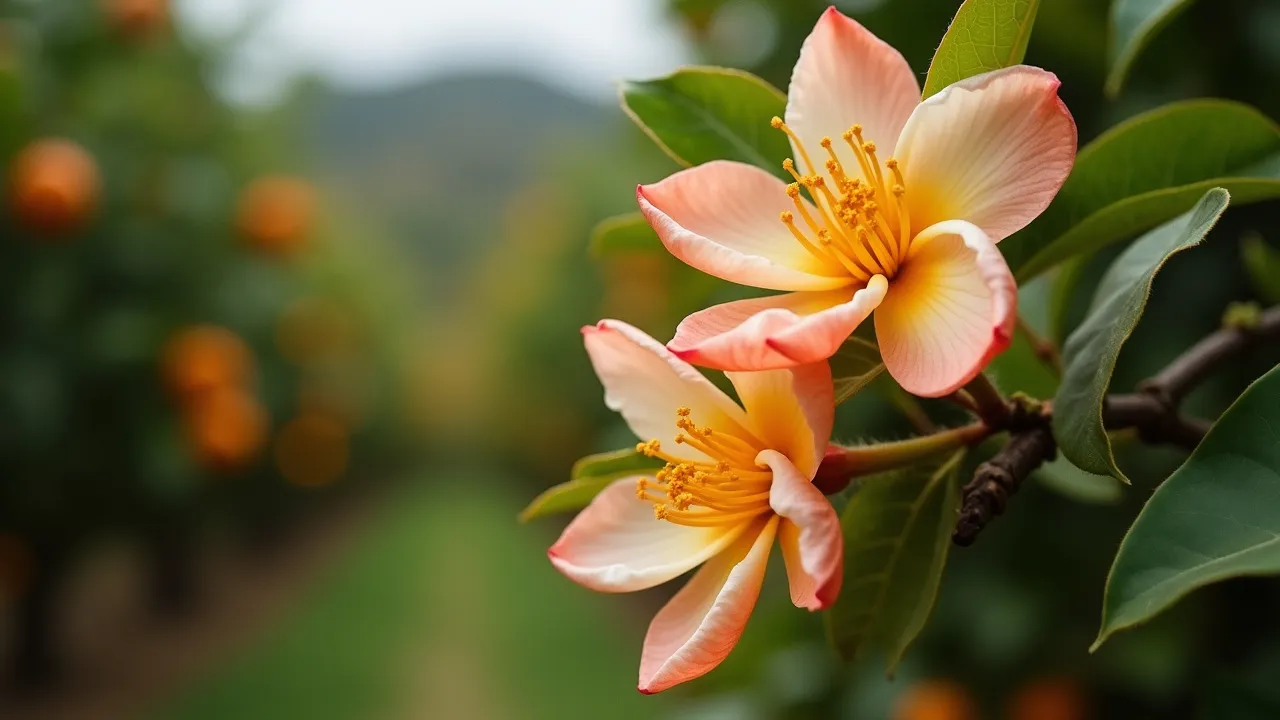
National Orange Blossom Day, observed on June 27th, celebrates the fragrant white flowers of the orange tree. A symbol of purity and fertility, these blossoms are cherished in perfumery, cuisine, and culture.
The Historical Origins & Evolutionary Journey
National Orange Blossom Day, observed annually on June 27th, honors the delicate and aromatic white blossoms of the orange tree (Citrus sinensis). While the day itself is a modern creation, the cultural and historical significance of orange blossoms spans millennia. These flowers have been revered in ancient civilizations, integrated into wedding traditions, and commercialized in perfumery and cuisine.
The Foundational Catalyst
Orange blossoms have been used symbolically since ancient times. In Chinese culture, they represent purity and chastity, often used in bridal wreaths. The ancient Greeks associated them with the goddess Artemis, symbolizing fertility. However, the modern observance as a dedicated day likely emerged from a broader appreciation of citrus agriculture and the floral calendar.
Transition to a National Day
The concept of a dedicated "National Orange Blossom Day" was popularized by National Day Calendar, a widely recognized source for unofficial holidays in the United States. While exact records of its founding are scarce, the day aims to spotlight the sensory and symbolic value of orange blossoms, coinciding with the peak blooming season in many citrus-growing regions.
The Legislative/Official Adoption
Unlike federally proclaimed holidays, National Orange Blossom Day is not codified in law. It is a day of observance promoted through social media, gardening communities, and floral enthusiasts. Its adoption reflects a growing trend of celebrating natural phenomena and agricultural heritage.
Modern Global Legacy
Today, the day is recognized not only in the U.S. but also in countries with strong citrus traditions, such as Spain, Italy, and India. It serves as a reminder of the interconnectedness of nature, culture, and commerce. The orange blossom remains the state flower of Florida, further cementing its place in American iconography.
How to Celebrate National Orange Blossom Day
Celebrating National Orange Blossom Day can be a sensory and educational experience. Below are actionable strategies for individuals, schools, and organizations.
For Individuals and Families
- Grow Your Own: If you live in a warm climate, plant an orange tree. Even potted trees can produce blossoms. Enjoy their fragrance and harvest fruit later.
- Create Floral Arrangements: Use fresh orange blossoms (or artificial if unavailable) in vases around your home. Combine with greenery for a centerpiece.
- Cook with Orange Flower Water: This essence is common in Middle Eastern and Mediterranean desserts. Try making baklava or orange blossom panna cotta.
- Indulge in Scent: Use orange blossom-scented candles, soaps, or perfumes to evoke the day's spirit.
For Schools and Educational Groups
- Botany Lesson: Teach students about citrus flower anatomy, pollination, and the role of bees in fruit production.
- Art Project: Have children paint or draw orange blossoms, learning about their symbolic meanings across cultures.
- Cultural Study: Explore how orange blossoms are used in weddings, from ancient Greece to modern India.
For Organizations and Businesses
- Floral Giveaways: Offer small bouquets of orange blossoms to customers or employees.
- Workshops: Host a perfumery or cooking class focusing on orange blossom products.
- Social Media Campaign: Share facts and photos using hashtags like #NationalOrangeBlossomDay.
Symbolism and Cultural Significance
Symbol of Purity and Fertility
Throughout history, orange blossoms have symbolized purity, innocence, and fertility. In many Western cultures, they are the traditional flower for bridal bouquets and crowns, a custom that gained prominence in the Victorian era when Queen Victoria wore them on her wedding day. The blossoms' white petals and sweet scent evoked chastity and new beginnings.
Religious and Mythological Associations
- Greek Mythology: The orange tree was sacred to Hera, goddess of marriage, and the blossoms were used in weddings.
- Chinese Tradition: Orange blossoms represent luck and abundance, often used in Lunar New Year decorations.
- Islamic Culture: Orange flower water is used in religious ceremonies and festive meals, especially during Ramadan.
State Flower of Florida
In 1909, the orange blossom was designated the state flower of Florida, reflecting the state's booming citrus industry. The blossom is a symbol of Florida's natural beauty and agricultural heritage.
Culinary and Commercial Uses
Orange blossoms are not only visually pleasing but also versatile in their applications.
Culinary Delights
Orange flower water, a distillate of the blossoms, is a key ingredient in many cuisines:
- Middle Eastern: Used in baklava, ma'amoul, and Turkish delight.
- French: Adds fragrance to madeleines and crème brûlée.
- Mexican: Orange blossom honey is prized for its light flavor.
Perfumery and Cosmetics
The essential oil neroli, extracted from orange blossoms, is a classic note in perfumes like Eau de Cologne. It is also used in skin care for its soothing properties.
Horticultural Importance
Orange blossoms are critical for fruit production. They attract pollinators like bees, and their presence indicates a healthy citrus grove. The blossoms themselves are indicators of the upcoming harvest.
Environmental and Economic Impact
Agricultural Role
Orange blossoms are the precursors to the fruit that fuels a multi-billion dollar citrus industry. In the U.S., Florida and California are top producers. The health of blossom yields directly impacts crop forecasts.
Challenges
- Citrus Greening Disease: This bacterial disease threatens citrus trees worldwide, affecting blossom development and fruit production.
- Climate Change: Shifting seasons and extreme weather disrupt blooming cycles, potentially reducing yields.
Honey Production
Orange blossom honey, produced from bees that pollinate citrus trees, is a premium product with a light, floral taste. It supports apiculture and biodiversity.
Global Variations and Traditions
While National Orange Blossom Day is primarily a U.S. observance, similar traditions exist worldwide:
Spain
In Andalusia, the Azahar (orange blossom) festival celebrates the flowering of citrus trees, with floral displays and processions.
Italy
In Sicily, orange blossoms are used in wedding confetti (sugared almonds) and perfumes. The city of Catania hosts a annual flower festival.
India
In Tamil Nadu, orange blossoms are strung into garlands for temple offerings and weddings.
These traditions highlight the universal appreciation of this fragrant flower.
Historical Timeline
Orange blossoms symbolically used in Chinese, Greek, and Roman weddings to represent purity and fertility.
Orange flower water becomes a culinary staple in Mediterranean and Middle Eastern cuisine.
Queen Victoria popularizes orange blossoms as bridal flowers by wearing a wreath on her wedding day.
The orange blossom is officially designated as the state flower of Florida, USA.
National Day Calendar establishes June 27th as National Orange Blossom Day, promoting awareness of the flower's cultural and agricultural significance.