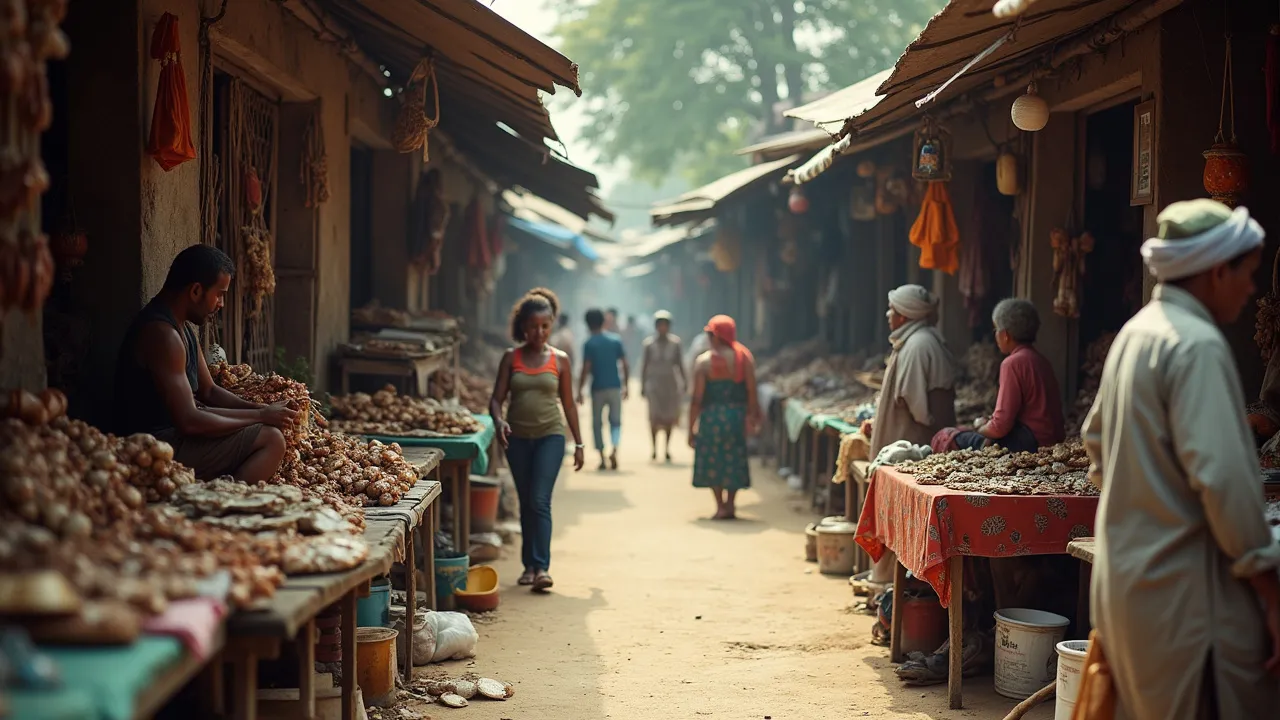
Celebrated on June 27, Micro-, Small and Medium-Sized Enterprises Day (MSME Day) highlights the vital role of MSMEs in achieving sustainable development and economic growth worldwide.
Introduction to Micro-, Small and Medium-Sized Enterprises Day
Micro-, Small and Medium-Sized Enterprises (MSMEs) are the backbone of economies worldwide. They account for over 90% of all businesses and provide approximately 60-70% of employment, contributing up to 50% of GDP in many countries. Recognizing their immense contribution, the United Nations General Assembly designated June 27 as Micro-, Small and Medium-Sized Enterprises Day (MSME Day) in 2017. This day aims to raise awareness of the challenges these enterprises face and to highlight their role in achieving the Sustainable Development Goals (SDGs), particularly Goal 8: Decent Work and Economic Growth, and Goal 9: Industry, Innovation and Infrastructure.
The Historical Origins & Evolutionary Journey
The Foundational Catalyst
The importance of small businesses has been recognized for centuries, but the modern concept of MSMEs as a distinct economic group emerged in the mid-20th century. In the 1970s, development economists began highlighting the role of small enterprises in job creation and poverty reduction in developing countries. The term "MSME" was popularized by international organizations like the World Bank and the International Labour Organization (ILO) to encompass both formal and informal businesses.
The Legislative/Official Adoption
The push for a dedicated UN day gained momentum through the efforts of countries like Peru, which championed the cause at the UN General Assembly. On April 6, 2017, the UN General Assembly adopted resolution A/RES/71/279, officially designating June 27 as Micro-, Small and Medium-Sized Enterprises Day. The resolution recognized the need to improve access to finance, capacity-building, and technology for MSMEs, especially in developing countries.
Modern Global Legacy
Since its first observance in 2017, MSME Day has grown into a global platform for dialogue among policymakers, business leaders, and entrepreneurs. Each year, the UN hosts a flagship event in New York, while countries and organizations worldwide hold workshops, webinars, and trade fairs. The day also aligns with the annual World MSME Day Forum and the Global MSME Awards.
How to Celebrate Micro-, Small and Medium-Sized Enterprises Day
Celebrating MSME Day involves recognizing the contributions of local businesses and taking action to support them. Here are practical ways individuals, schools, and organizations can participate:
For Individuals
- Shop Local: Buy from a local small business on June 27, and spread the word on social media with hashtags like #MSMEDay.
- Share Stories: Write a positive review or share a story about your favorite MSME online.
- Learn and Advocate: Educate yourself on MSME challenges and contact local policymakers to advocate for supportive measures.
For Schools and Universities
- Organize a business fair where students can showcase mini-enterprises.
- Invite local entrepreneurs to give guest lectures on their experiences.
- Conduct workshops on financial literacy and digital transformation for small businesses.
For Organizations and Governments
- Launch Initiatives: Announce new funding programs, tax incentives, or mentorship schemes for MSMEs.
- Host Events: Arrange webinars on supply chain resilience or e-commerce adoption.
- Recognize Excellence: Present awards to outstanding MSMEs in various categories (innovation, sustainability, etc.).
Regional Variations
While June 27 is the universal date, some countries have additional national MSME days. For example, India celebrates National MSME Day on July 1, and the African Union has a dedicated MSME week in November. Wherever you are, the core message remains the same: celebrate and empower small enterprises.
Global Impact and Role in Sustainable Development
MSMEs are central to achieving the Sustainable Development Goals (SDGs). They drive inclusive growth by providing employment to vulnerable groups such as women, youth, and persons with disabilities. According to the UN, formalizing the informal sector—which is largely composed of MSMEs—could boost global GDP by trillions of dollars. Moreover, MSMEs are key to SDG 9 (Industry, Innovation and Infrastructure) as they foster local innovation and adapt quickly to market changes. During the COVID-19 pandemic, MSMEs demonstrated resilience but also highlighted the need for digital transformation and access to finance.
Economic Resilience
MSMEs often serve as shock absorbers during economic downturns, preserving jobs and maintaining community stability. However, they are also the most vulnerable to crises. MSME Day underscores the importance of building resilient supply chains and providing emergency support systems.
Challenges Faced by MSMEs Worldwide
Despite their critical importance, MSMEs face numerous obstacles. The most common challenges include:
- Access to Finance: Banks often view MSMEs as high-risk, leading to credit rationing. Only a fraction of MSMEs in developing countries have access to formal financial services.
- Regulatory Burden: Complex tax codes, licensing requirements, and bureaucratic red tape disproportionately affect small firms.
- Technology Gap: Many MSMEs lack the resources to adopt digital tools, limiting their competitiveness in the global market.
- Market Access: Small businesses struggle to enter regional and global value chains due to lack of information and quality standards.
- Skills Shortage: Finding and retaining skilled labor is a persistent issue.
MSME Day serves as a call to action for governments and development agencies to address these barriers through targeted policies and programs.
Future Outlook and Digital Transformation
The future of MSMEs lies in embracing digitalization. E-commerce platforms, mobile banking, and digital marketing have lowered entry barriers for small businesses. The UN and its partners are promoting initiatives like the "MSME Digital Transformation Toolkit" and "eTrade for MSMEs" to help businesses go online. Additionally, the rise of fintech offers new avenues for financing, such as peer-to-peer lending and crowdfunding. However, the digital divide remains a concern, especially in rural areas and least developed countries. MSME Day each year focuses on a specific theme—for example, recent themes have included "Building Back Better" and "Digital Transformation for Inclusive Growth." The goal is to ensure that no small business is left behind in the Fourth Industrial Revolution.
Historical Timeline
The International Labour Organization (ILO) launches its first programs focusing on small enterprise development, recognizing MSMEs as key drivers of employment.
UN Millennium Development Goals (MDGs) implicitly highlight MSMEs as vehicles for poverty reduction and economic empowerment.
The Sustainable Development Goals are adopted, with several targets (8.3, 9.3) explicitly calling for promoting micro, small and medium-sized enterprises.
UN General Assembly adopts resolution A/RES/71/279, officially designating June 27 as Micro-, Small and Medium-Sized Enterprises Day. The first celebration is held on June 27, 2017.
COVID-19 pandemic highlights the fragility of MSMEs; UN launches the 'MSME Support Initiative' to provide relief and recovery guidance.
The 7th annual MSME Day focuses on 'From Crisis to Resilience: Digital Transformation for Inclusive Growth', emphasizing the need for digital skills and infrastructure.