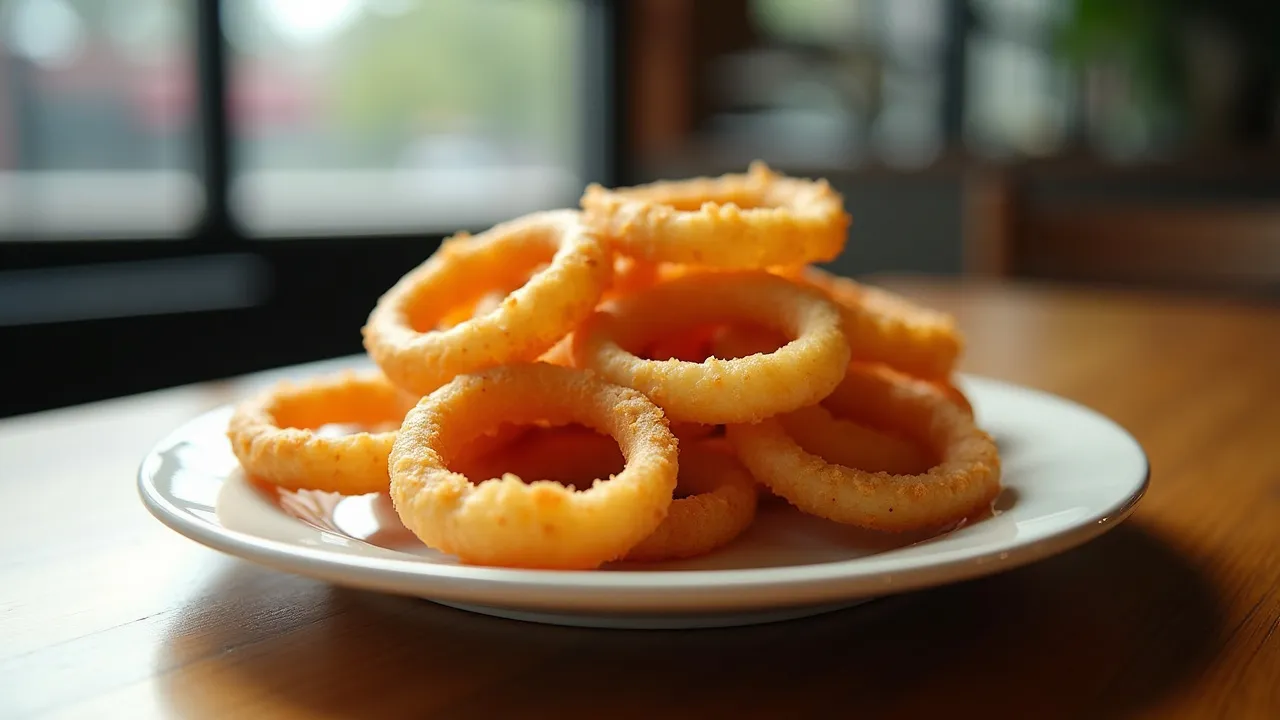
National Onion Rings Day on June 22nd celebrates the crispy, golden batter-fried onion slices. From its origins in early 20th-century America to global variations, this day honors a beloved appetizer enjoyed by millions.
The Historical Origins & Evolutionary Journey
National Onion Rings Day, observed annually on June 22nd, pays tribute to one of the most iconic appetizers in global cuisine: the onion ring. This day—though not federally recognized—has grown into a cultural phenomenon celebrated by food lovers, restaurant chains, and home cooks alike. To truly appreciate the day, we must first explore the deep historical roots of the dish itself.
The Foundational Catalyst: Early Beginnings
The exact origin of the onion ring is surprisingly murky. While onions have been fried in batter for centuries—ancient Roman recipes mention frying onions in oil—the modern onion ring as we know it likely emerged in the early 20th century. A popular origin story credits the Kirby's Pig Stand in Dallas, Texas, which allegedly created the first battered and deep-fried onion rings in the 1920s. However, earlier evidence appears in a 1902 edition of the New York Tribune, which includes a recipe for ‘Fried Onions in Batter.’ Another early recipe, published in 1910 by the Los Angeles Times, describes dipping sliced onions in milk and flour before frying. Despite these early examples, the dish gained widespread popularity only after the introduction of commercial deep fryers and the rise of fast-food culture.
The Legislative/Official Adoption
National Onion Rings Day itself has no official government proclamation. Instead, it emerged organically through food marketing and social media in the early 2000s. The date June 22nd was chosen—likely by food enthusiasts and industry groups—to coincide with summer grill season and the abundance of sweet, fresh onions. By the 2010s, major fast-food chains like Burger King, A&W, and White Castle began promoting the day with special deals, helping to cement it in the national food calendar. Today, it is listed in numerous ‘food holiday’ databases and celebrated across the United States and beyond.
Modern Global Legacy
While the United States remains the heartland of onion ring appreciation, the dish has traveled the world. In the United Kingdom, ‘onion bhajis’ (spiced, battered onions) offer a regional twist. In India, ‘kanda bhajia’ are a popular monsoon snack. In Japan, ‘tamanegi ringo’ appear in izakaya menus. National Onion Rings Day now inspires not only consumption but also creativity: chefs experiment with tempura batters, gluten-free coatings, and exotic dipping sauces. The day also serves as a catalyst for food bloggers, restaurants, and home cooks to share recipes, techniques, and memories, ensuring the humble onion ring remains a celebrated star of the culinary world.
How to Celebrate National Onion Rings Day
Whether you are a purist who enjoys classic rings or an adventurous foodie seeking innovative variations, National Onion Rings Day on June 22nd offers countless ways to participate. Below is the ultimate global guide to making the most of this savory occasion.
At Home: The DIY Onion Ring Experience
- Select the Right Onions: Sweet onions like Vidalia or Walla Walla yield milder, sweeter rings. Yellow onions provide a sharper kick. For a less pungent flavor, soak sliced onions in ice water for 30 minutes before battering.
- Master the Batter: A classic batter uses flour, eggs, milk or buttermilk, and seasonings like paprika, garlic powder, and cayenne. For extra crunch, substitute some flour with cornstarch or rice flour. Beer batter (flat beer works best) adds a light, airy texture.
- Double-Dip for Perfection: For a thicker crust, dip rings first in seasoned flour, then in batter, then again in panko breadcrumbs or crushed potato chips.
- Fry at the Right Temperature: Heat oil to 350-375°F (175-190°C). Overcrowding the pot lowers the temperature, resulting in greasy rings. Fry in small batches for 2-3 minutes until golden brown.
- Drain Immediately: Place finished rings on a wire rack over a baking sheet rather than paper towels—this prevents steam from softening the crust.
Restaurant & Social Traditions
- Visit Local Eateries: Many restaurants offer special discounts or free rings on June 22nd. Check with chains like Burger King, A&W, and Sonic Drive-In, which have historically participated.
- Host an Onion Ring Tasting Party: Invite friends and family to sample rings from different cuisines—American style, Indian bhajis, Japanese tempura, and British pub rings. Serve an array of dipping sauces: ranch, ketchup, sriracha mayo, honey mustard, and chipotle crema.
- Share on Social Media: Post photos of your rings with hashtags like #NationalOnionRingsDay, #OnionRings, or #June22nd. Challenge friends to show their best homemade rings.
International Celebrations
The day is celebrated differently across the globe. In the United Kingdom, pubs often feature onion rings as a side to burgers or fish and chips, and some offer special ‘ring and a pint’ deals. In India, street vendors selling kanda bhajia are particularly busy; families might make them at home with gram flour batter and spices like cumin and turmeric. In Australia, onion rings are a standard item at barbecues, and June 22nd (winter in the Southern Hemisphere) is perfect for a warm, crispy snack. In Canada, poutine-inspired onion rings (topped with cheese curds and gravy) become a limited-time offering. No matter where you are, the spirit of the day is simple: enjoy crispy, golden rings with good company.
Global Variations of Onion Rings
Onion rings are a canvas for culinary creativity across continents. While the classic American version is beloved, other cultures have developed distinct interpretations that reflect local tastes and ingredients. Below is a comprehensive overview of global onion ring variations.
North America
In the United States and Canada, onion rings are typically made from whole slices of onion, dipped in a seasoned flour or beer batter, and deep-fried. They are served as an appetizer or side dish, often with ranch dressing or ketchup. Regional twists include ‘blooming onions’ (a whole onion sliced into petals and fried, seen at Outback Steakhouse) and ‘onion straws’ (thinly sliced, shoestring-style rings, popular in the South). In Canada, poutine rings (rings topped with cheese curds and gravy) have gained traction.
South Asia
In India, Pakistan, and Bangladesh, kanda bhajia (also called onion pakoras) are a staple street food. Onions are sliced thin, mixed with a batter of chickpea flour (besan), rice flour, and spices like chili powder, turmeric, and ajwain, then deep-fried. These are lighter and spicier than American rings and are often enjoyed with mint chutney or tamarind sauce. In Sri Lanka, a similar dish called ‘onion bajji’ is made with a lentil flour batter.
East Asia
Japan offers tamanegi ringo, often made with a tempura batter (ice-cold water and low-gluten flour) for an extra-crispy, delicate crust. They are frequently served with a tentsuyu dipping sauce. In South Korea, ‘yangpa ring’ (onion ring in Korean) is sometimes coated with a sweet and spicy gochujang glaze. Chinese variations include ‘fried onion rings’ coated in a light batter and dusted with five-spice powder or salt and pepper.
Europe
In the United Kingdom, ‘onion rings’ are often thicker and may be battered with ale. They are a common side in pubs, sometimes served with malt vinegar. In Germany and Austria, ‘Zwiebelringe’ are frequently coated in breadcrumbs and served with a beer batter. The Netherlands has ‘uienringen’, often made with a tempura-style batter and served with a mayonnaise-based sauce.
Middle East and Africa
In Lebanon and Turkey, onion rings called ‘basal mafroosh’ or ‘soğan halkası’ are sometimes spiced with sumac, za’atar, or cumin and served with tahini or yogurt dip. In parts of North Africa, rings are coated in a semolina batter and fried, offering a unique texture.
Nutritional Aspects and Dietary Considerations
Onion rings are undeniably delicious, but they also raise questions about nutrition. This section provides a balanced look at the dietary aspects, including calories, potential health benefits of onions, and how to make healthier versions.
Caloric and Macronutrient Profile
A standard serving of six medium onion rings (approximately 100 grams) contains roughly 250-350 calories, depending on the batter and frying method. They provide about 15-20 grams of fat (mainly from frying oil), 25-30 grams of carbohydrates, and 4-6 grams of protein. The calorie count can increase significantly with heavy batters or thick coatings. Baked or air-fried versions can reduce calories by 30-50%.
Health Benefits of Onions
Onions themselves are nutrient-rich. They are a good source of vitamin C, B vitamins, potassium, and dietary fiber. More importantly, onions contain quercetin, a powerful antioxidant that may reduce inflammation, lower blood pressure, and support heart health. They also contain prebiotic fibers that promote a healthy gut microbiome. However, deep-frying onions can degrade some heat-sensitive nutrients and add unhealthy trans fats.
Making Healthier Onion Rings
- Baking or Air-Frying: Coat rings in a light spray of oil and bake at 450°F (230°C) until golden. Air fryers produce a crispy texture with minimal oil.
- Alternative Flours: Use whole wheat flour, almond flour, or chickpea flour to increase fiber and protein.
- No Batter Rings: Simply season onion slices and lightly oil before baking—crunchy and lower in carbs.
- Gluten-Free Options: Use rice flour or cornstarch instead of wheat flour. Ensure all other ingredients are certified gluten-free.
Dietary Restrictions
Onion rings can be adapted for many diets. Vegan versions replace eggs with aquafaba or flaxseed meal. Keto-friendly rings use almond flour and parmesan. For low-sodium diets, avoid salt-heavy seasoning blends. As a treat, onion rings can fit into a balanced diet when consumed in moderation.
Industry Impact and Economic Significance
National Onion Rings Day is not just a celebration of flavor—it also has tangible economic impacts. From fast-food giants to local farmers, the day influences supply chains, marketing campaigns, and consumer behavior.
Fast-Food and Restaurant Promotions
Major chains like Burger King, A&W, Sonic, and White Castle have historically launched limited-time offers for National Onion Rings Day, including buy-one-get-one-free deals or new dipping sauces. These promotions drive foot traffic and increase sales of side items. Industry analysts note that such food holidays can boost overall revenue by 10-20% on the day.
Agricultural and Supply Chain
The day supports the onion industry, particularly growers of sweet onion varieties. Restaurants often source fresh onions in bulk ahead of June 22nd. The National Onion Association encourages consumers to choose domestic onions. In the United States, the top onion-producing states—Georgia, Washington, Idaho, and Oregon—see increased demand during summer months, and National Onion Rings Day helps maintain that momentum.
Media and Marketing
Food blogs, influencers, and television shows often feature onion ring recipes or reviews on or around June 22nd. Social media buzz generates millions of impressions. According to hashtag tracking data, #NationalOnionRingsDay trends on Twitter and Instagram each year, with participation from both home cooks and large brands. This free publicity translates into increased brand awareness and content engagement for food-related businesses.
Job Creation and Market Growth
The fast-food and snack industry employs thousands of workers across the supply chain—from farmers and processors to restaurant staff. Onion rings, as a popular menu item, contribute to stable demand for these jobs. The frozen onion ring market was valued at over $1.2 billion in 2023, with steady growth projected as global tastes for convenient, indulgent snacks continue.
Cultural Significance and Social Rituals
Beyond its culinary appeal, National Onion Rings Day has woven itself into the social fabric of many communities. It serves as an occasion for bonding, nostalgia, and shared experience.
Family and Friends Gatherings
In the United States, June 22nd often falls during early summer, making it a natural excuse for backyard cookouts, picnics, and potlucks. Onion rings are easy to share and pair well with burgers, hot dogs, and barbecue. Many families have their own traditions—making a special recipe passed down through generations, or visiting a favorite diner known for its rings.
Digital Community Building
Social media platforms become hubs for onion ring enthusiasts. Users share photos, vote on best dipping sauces, and challenge each other to create the crispiest rings. Hashtag campaigns encourage restaurants to join the fun. This digital engagement fosters a sense of belonging among foodies and provides content for influencers.
Pop Culture and Media References
Onion rings have appeared in movies, TV shows, and literature as a symbol of comfort food and Americana. From the classic diner scene in Pulp Fiction to Simpsons episodes, rings are often associated with casual, joyful moments. National Onion Rings Day amplifies these cultural references, prompting media outlets to produce nostalgia pieces or listicles about the history of onion rings in pop culture.
Charitable and Community Events
Some communities use the day to host fundraisers—selling onion rings at fairs or donating proceeds to local food banks. Schools may incorporate the day into lessons about agriculture or cooking, promoting practical skills. In this way, National Onion Rings Day transcends mere consumption and becomes a vehicle for positive social impact.
Historical Timeline
A recipe for 'Fried Onions in Batter' appears in the New York Tribune, possibly the earliest recorded onion ring recipe.
Los Angeles Times publishes a recipe dipping sliced onions in milk and flour before frying, popularizing the concept.
Kirby's Pig Stand in Dallas, Texas claims to have invented the first battered and deep-fried onion rings.
Commercial deep fryers become common in diners, leading to widespread adoption of onion rings.
Fast-food chains begin offering onion rings as a side dish, particularly A&W and Burger King.
Social media and food blogs start promoting unofficial 'food holidays,' including National Onion Rings Day.
June 22nd becomes widely recognized as National Onion Rings Day through online food calendars and restaurant promotions.
Burger King launches a national promotion for National Onion Rings Day, offering free rings with purchase.
Social distancing leads to a surge in homemade onion ring recipes shared online for the day.
National Onion Rings Day gains official recognition by several major restaurant chains and food media outlets.