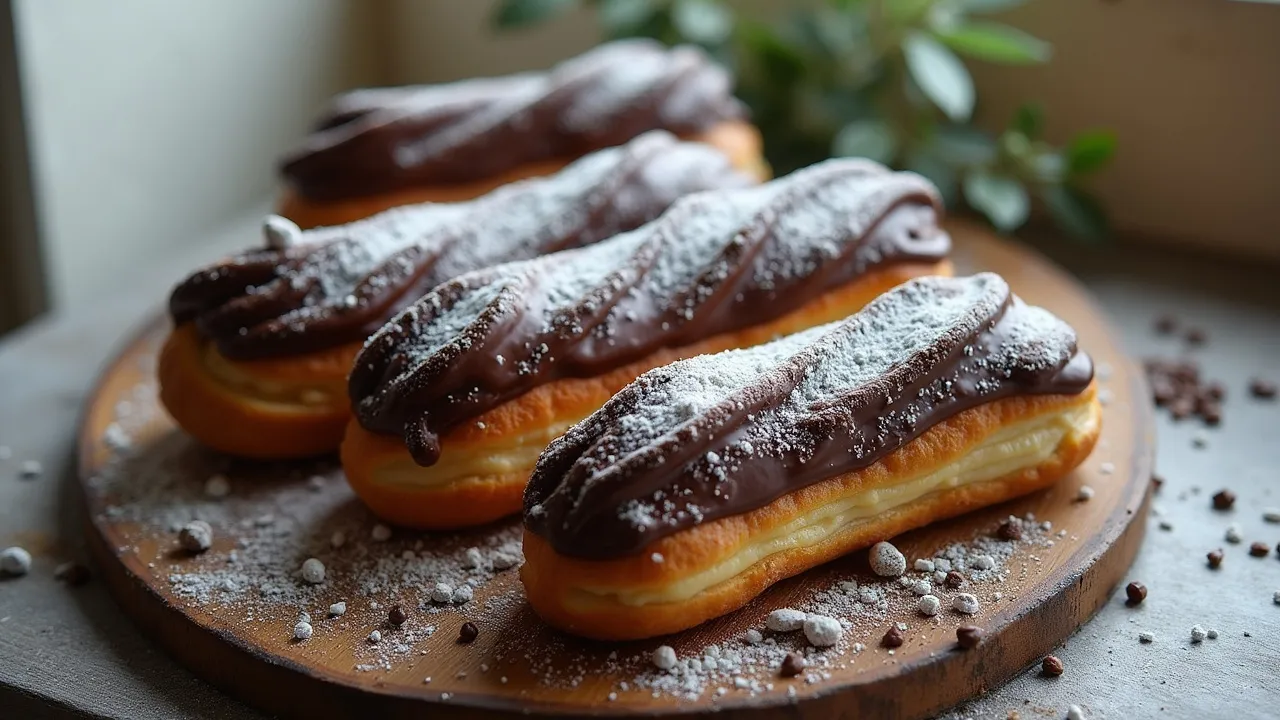
National Chocolate Eclair Day on June 22 celebrates the iconic French pastry filled with cream and topped with chocolate glaze. Learn about its rich history, indulge in recipes, and join global festivities honoring this beloved dessert.
The Historical Origins & Evolutionary Journey
National Chocolate Eclair Day, observed annually on June 22, honors one of the world's most beloved pastries: the chocolate éclair. This day is a celebration of culinary artistry, French heritage, and the universal love for a perfectly crafted confection. The éclair has a storied past that intertwines with the evolution of modern pastry making, and its chocolate variation has become a global icon.
The Foundational Catalyst: Birth of the Éclair
The éclair's origins trace back to 19th-century France, where it emerged from the creative kitchens of master pastry chefs. The word "éclair" translates to "flash of lightning" in French, a name believed to refer to the pastry's quick baking time or its shiny glaze that resembles a lightning bolt. The first known recipe appeared in cookbooks around 1860, though similar pastries like the "pain à la duchesse" existed earlier. The éclair is made from choux pastry (pâte à choux), piped into elongated shapes, baked until golden and hollow, then filled with cream and topped with icing.
The Legislative/Official Adoption: Rise of the Chocolate Éclair
While the exact origin of National Chocolate Eclair Day remains unclear, it likely gained traction in the United States in the mid-20th century as French patisseries became fashionable. The chocolate éclair, specifically, rose to prominence after bakers began using chocolate glaze instead of the traditional coffee or vanilla. By the 1920s, chocolate éclairs were a staple in American bakeries. The observance day may have been informally established by food bloggers and culinary enthusiasts in the early 2000s, leveraging social media to spread awareness.
Modern Global Legacy
Today, National Chocolate Eclair Day is celebrated worldwide, from France's finest pâtisseries to home kitchens. It symbolizes the perfect marriage of textures: crisp choux, silky custard, and rich chocolate. The day also highlights the influence of French culinary techniques on global dessert culture. Pastry chefs often showcase innovative variations, such as salted caramel or matcha fillings, while purists insist on the classic combination of vanilla crème pâtissière and dark chocolate ganache.
How to Celebrate National Chocolate Eclair Day
Whether you're a seasoned pastry chef or a novice baker, National Chocolate Eclair Day offers endless opportunities for indulgence and creativity. Here is the ultimate guide to celebrating this day with authenticity and joy.
For Individuals: Personal Traditions
- Bake from scratch: Challenge yourself to make classic choux pastry and pastry cream. Use high-quality dark chocolate for the glaze.
- Visit a local patisserie: Support artisan bakers by purchasing fresh chocolate éclairs. Pair with coffee or tea for an authentic French experience.
- Host an éclair tasting party: Invite friends to sample different varieties from various bakeries, comparing fillings, glazes, and textures.
For Schools & Communities: Educational Activities
- History lesson: Teach students about the origins of the éclair and French culinary influence.
- Cooking class: Organize a hands-on éclair making workshop, emphasizing techniques like piping and tempering chocolate.
- Fundraiser: Sell homemade éclairs to raise money for local food banks or culinary scholarships.
For Organizations & Social Media
- Share photos: Post pictures of your éclair creations with hashtags like #ChocolateEclairDay and #NationalChocolateEclairDay.
- Run contests: Bakeries can offer discounts or free samples to customers who share their best éclair moments.
- Collaborate with influencers: Partner with food bloggers to showcase unique recipes and celebrate the day virtually.
Global Variations & Cultural Adaptations
While the classic chocolate éclair remains a standard, different cultures have put their own spin on this versatile pastry. Exploring these variations reveals the éclair's global appeal and adaptability.
France
In its homeland, the éclair is a serious art form. Typical French éclairs are filled with coffee, vanilla, or chocolate pastry cream and topped with matching icing. The chocolate éclair (éclair au chocolat) is a bistro staple, often enjoyed with a café au lait. French bakers follow strict traditions: the choux must be dry and crisp, the cream silky, and the glaze glossy.
United States
American éclairs are often larger and sweeter, with fillings like whipped cream or pudding instead of traditional custard. They may be topped with chocolate frosting or even sprinkles. National Chocolate Eclair Day here is marked by bakery sales and home baking challenges. Coffee chains like Starbucks sometimes offer éclair-inspired pastries.
Japan
Japanese patisseries have innovated with matcha (green tea) fillings, sakura (cherry blossom) glazes, and delicate presentations. The éclair is often lighter and less sweet, reflecting Japanese tastes. Matcha chocolate éclairs are particularly popular for the day.
Brazil
In Brazil, éclairs are called "bomba de chocolate" and are filled with a creamy chocolate or doce de leite filling. They are commonly sold at bake shops and street markets, particularly during festive seasons.
These regional variations demonstrate how a single pastry can evolve while retaining its core identity—a testament to the éclair's enduring charm.
The Art of Making the Perfect Chocolate Éclair
Crafting a chocolate éclair from scratch is a rewarding experience that combines science and artistry. Mastering the technique ensures a crisp shell, a luscious filling, and a flawless glaze. Below is a detailed breakdown of the process.
Choux Pastry (Pâte à Choux)
The foundation is made from butter, water, flour, and eggs. Key steps include:
- Boiling the liquid: Bring water and butter to a rolling boil, then add flour all at once, stirring vigorously until a dough ball forms.
- Drying the dough: Cook over low heat for 1-2 minutes to evaporate excess moisture.
- Incorporating eggs: Add eggs one by one, mixing until the dough is smooth and pipeable.
- Piping and baking: Pipe into 4-5 inch strips, then bake at high temperature initially to create steam for rising, then lower to finish drying.
Pastry Cream (Crème Pâtissière)
A classic vanilla pastry cream thickens with egg yolks, sugar, and cornstarch. For chocolate éclairs, vanilla is traditional, but you can infuse with coffee or add chocolate directly. Chill the cream before filling.
Chocolate Glaze
A simple ganache of dark chocolate and cream creates a shiny, firm topping. For a mirror glaze, add glucose syrup. Dip the éclair tops into the ganache and let set. Many bakers add a drizzle of white chocolate for contrast.
Pro tips: Use a star tip for piping to create ridged tops that catch glaze. Poke holes in the baked éclairs to release steam and fill with cream using a piping tip inserted from the end.
Health & Nutritional Considerations
While chocolate éclairs are an indulgence, understanding their nutritional profile helps consumers make informed choices. Moderation is key, but with quality ingredients, this treat can be part of a balanced diet.
Nutritional Breakdown
A typical chocolate éclair (about 100-150 grams) contains approximately 250-350 calories, with 15-20g fat, 30-40g carbohydrates, and 5-7g protein. The main contributors are the choux pastry (butter and eggs), cream (whole milk and egg yolks), and chocolate ganache (cream and chocolate).
Ingredient Quality Matters
- Butter: Use high-quality unsalted butter for flavor and texture.
- Chocolate: Dark chocolate with 70% cocoa content offers antioxidants and less sugar.
- Filling: Opt for real pastry cream instead of hydrogenated whipped toppings.
Dietary Adaptations
For those with dietary restrictions, variations exist:
- Gluten-free: Use gluten-free flour blend for choux (though texture may differ).
- Vegan: Substitute butter with plant-based margarine, eggs with flaxseed or aquafaba, and use coconut cream for pastry cream.
- Low-sugar: Replace sugar with erythritol or stevia, and use sugar-free chocolate.
National Chocolate Eclair Day can be enjoyed by everyone with a little creativity.
Industry Impact & Economic Significance
National Chocolate Eclair Day has grown from a niche observance into a commercial driver for bakeries, patisseries, and food manufacturers. The day boosts sales of eclairs and encourages innovation in product development.
Bakery and Café Sector
Many independent bakeries and chains run promotions, offering buy-one-get-one deals or limited-edition flavors. For example, a renowned patisserie might release a "Celebration Éclair" with gold leaf. Coffee shops often pair eclairs with seasonal drinks, increasing foot traffic.
E-commerce and Delivery
Online dessert delivery services see a spike in orders for éclair assortments. Subscription boxes for gourmet eclairs become popular gifts. Social media influencers collaborate with brands to create viral content, generating millions of impressions.
Economic Data
While official statistics are scarce, the overall pastry market, valued at over $300 billion globally, sees a modest uptick on observance days. The éclair segment alone accounts for a significant share in the French pastry category. This day also supports small businesses by highlighting artisanal craftsmanship.
In summary, National Chocolate Eclair Day not only pleases palates but also stimulates economic activity across the food industry.
Historical Timeline
First documented éclair recipes appear in French cookbooks, describing a choux pastry filled with cream and topped with icing.
The term 'éclair' becomes widely used in French parlance, replacing earlier names like 'pain à la duchesse'.
Chocolate éclairs gain popularity in the United States as French baking techniques spread, becoming a staple in American bakeries.
The éclair is mass-produced for supermarkets, often filled with pudding-based cream and coated in shell-like chocolate flavored coating.
Food bloggers and culinary websites begin promoting National Chocolate Eclair Day on June 22, leading to widespread recognition.
Social media campaigns using #ChocolateEclairDay trend globally, with thousands of baking enthusiasts sharing homemade creations.
Amid the pandemic, virtual éclair-making classes surge in popularity, and bakeries offer delivery and DIY kits for the day.