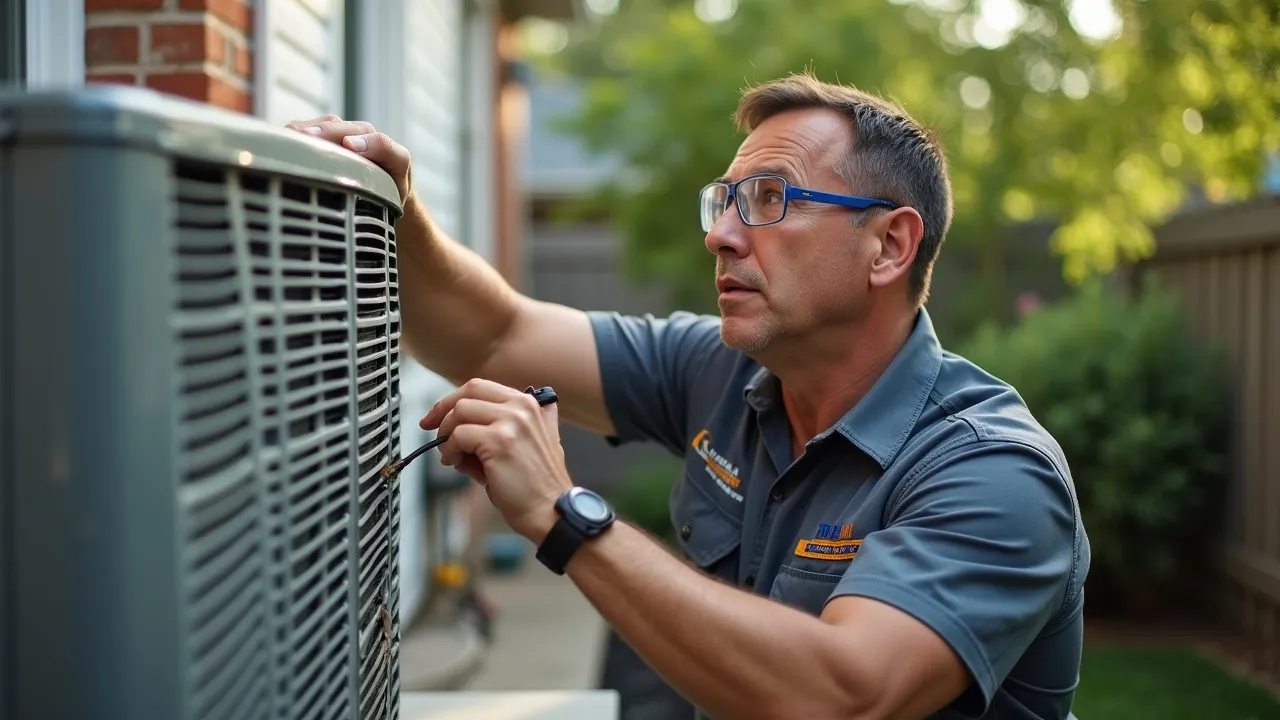
National HVAC Tech Day, observed annually on June 22nd, honors the skilled professionals who install, maintain, and repair heating, ventilation, and air conditioning systems. This day recognizes their critical role in ensuring comfort, safety, and energy efficiency in homes and businesses.
The Historical Origins & Evolutionary Journey
National HVAC Tech Day was established in 2016 by North American Technician Excellence (NATE), a non-profit organization that certifies HVAC technicians. The day was created to address a growing shortage of skilled technicians and to raise public awareness about the essential work these professionals perform.
The Foundational Catalyst
The HVAC industry faced a critical labor gap as veteran technicians retired and fewer young people entered the trade. NATE, along with industry partners, recognized the need to promote the profession as a viable and rewarding career path. The first celebration on June 22, 2016, included company events, social media campaigns, and educational outreach to schools.
The Legislative/Official Adoption
While not a federal holiday, National HVAC Tech Day has been recognized by many state governors and local municipalities through proclamations. Industry associations such as ACCA (Air Conditioning Contractors of America) and PHCC (Plumbing-Heating-Cooling Contractors Association) officially endorse the day and encourage their members to participate.
Modern Global Legacy
Today, the observance has spread beyond the United States to Canada, Australia, and parts of Europe. It serves as a platform for highlighting the importance of indoor air quality, energy efficiency, and the evolving role of HVAC technicians in sustainable building practices. The day also coincides with the beginning of summer in the Northern Hemisphere, emphasizing the demand for cooling systems.
How to Celebrate National HVAC Tech Day
Celebrating National HVAC Tech Day can be a meaningful experience for individuals, businesses, and communities. Below are actionable ways to honor HVAC technicians on June 22nd.
For Individuals and Homeowners
- Thank your technician: A handwritten note or a small gift card can go a long way.
- Leave a positive online review: Highlight the great service you received.
- Schedule preventive maintenance: Show appreciation by trusting the professional with your system care.
For HVAC Companies and Organizations
- Host a technician appreciation event: A barbecue, luncheon, or award ceremony.
- Feature technicians on social media: Share their stories and photos using #NationalHVACTechDay.
- Provide training or certification opportunities: Invest in their professional growth.
For Schools and Trade Programs
- Invite a guest speaker: A seasoned technician to talk about career pathways.
- Organize a tool drive: Collect gently used tools for aspiring technicians.
- Host a competition: Skills challenges to showcase talent.
Regional Variations
In Canada, some provinces celebrate alongside National HVAC Tech Day with a focus on heating technicians due to colder climates. In Australia, the day emphasizes solar and refrigerant technologies. While the date remains June 22nd globally, local traditions may include industry expos, charity events, or joint celebrations with Earth Day activities.
The Global Impact of HVAC Technicians
HVAC technicians are unsung heroes who ensure comfortable indoor environments year-round. Their work directly affects public health, productivity, and energy consumption.
Health and Safety
Proper HVAC systems maintain indoor air quality, reducing allergens, mold, and airborne pathogens. Technicians play a vital role in preventing heat-related illnesses during heatwaves and ensuring safe heating during cold spells. They also handle refrigerants responsibly to protect the ozone layer.
Economic Contributions
The HVAC industry employs over 1 million people in the United States alone, with a projected growth rate of 13% over the next decade. Technicians contribute to energy savings by optimizing system efficiency, lowering utility bills for consumers and businesses.
Environmental Stewardship
Modern technicians are trained in green technologies such as geothermal heat pumps and solar thermal systems. They help reduce carbon footprints by retrofitting older buildings with high-efficiency equipment and enforcing environmental regulations.
Case Study: Cooling Centers
During heat emergencies, HVAC technicians volunteer to service cooling centers in community centers and schools, ensuring vulnerable populations have access to safe indoor spaces.
Technological Evolution in HVAC
The HVAC industry has undergone a technological revolution over the past two decades. Technicians now work with smart systems, IoT-enabled devices, and advanced diagnostics.
Smart Thermostats and Zoning
Devices like Nest and Ecobee allow technicians to integrate remote monitoring and automated adjustments. Zoning systems enable customized comfort in different rooms, improving energy efficiency.
Variable Refrigerant Flow (VRF) Systems
VRF technology provides precise temperature control and simultaneous heating and cooling in different zones. Technicians require specialized training to install and service these complex systems.
Refrigerant Transitions
As regulations phase out hydrofluorocarbons (HFCs), technicians must adapt to new low-GWP refrigerants such as R-32 and R-290. Proper handling and recovery are critical to environmental compliance.
Predictive Maintenance
Using sensors and AI, technicians can predict equipment failures before they occur, reducing downtime and costly repairs. This proactive approach extends system lifespan and enhances customer satisfaction.
Safety and Standards in the HVAC Profession
HVAC technicians face numerous workplace hazards, from electrical shocks to refrigerant exposure. National HVAC Tech Day also emphasizes the importance of safety protocols.
OSHA Regulations
Technicians must adhere to Occupational Safety and Health Administration (OSHA) standards, including lockout/tagout procedures, PPE requirements, and proper lifting techniques.
Personal Protective Equipment (PPE)
- Safety glasses and gloves
- Respirators when handling refrigerants
- Hard hats and steel-toed boots on construction sites
Certification and Training
NATE certification ensures technicians are tested in safety and best practices. Continuing education is mandatory to stay current with evolving codes and technologies. Many companies also implement drug testing and background checks to maintain a safe work environment.
Mental Health Awareness
The demanding physical and emotional aspects of the job can lead to burnout. Industry groups are increasingly promoting mental health resources, stress management, and work-life balance.
The Future of HVAC and the Technician's Role
As the world moves toward net-zero buildings, HVAC technicians will be at the forefront of implementing sustainable solutions.
Electrification and Heat Pumps
Governments are incentivizing the transition from fossil fuel heating to electric heat pumps. Technicians will need to master heat pump installation, sizing, and maintenance to meet demand.
Building Automation and Integration
HVAC systems are increasingly integrated with building management systems (BMS), requiring skills in networking, programming, and data analysis. Technicians will become hybrid professionals, combining mechanical expertise with IT knowledge.
Workforce Development Initiatives
To address labor shortages, apprenticeship programs and vocational schools are expanding. National HVAC Tech Day serves as a recruiting tool, showcasing the career’s stability and earning potential. The median annual wage for HVAC technicians in the U.S. is over $50,000, with top earners exceeding $80,000.
Call to Action
On June 22nd, consider mentoring a young person interested in the trades, donating to scholarship funds, or simply expressing gratitude to the technicians who keep our world comfortable.
Historical Timeline
Willis Carrier invents modern air conditioning, laying the foundation for the HVAC industry.
Freon refrigerants are introduced, enabling safer and more efficient cooling systems.
Energy crises spur development of energy-efficient HVAC equipment and heat pump technology.
Montreal Protocol signed, phasing out ozone-depleting refrigerants and prompting technician retraining.
NATE (North American Technician Excellence) is founded to certify HVAC technicians.
First National HVAC Tech Day celebrated on June 22nd, established by NATE.
COVID-19 pandemic highlights the importance of ventilation and indoor air quality, elevating technician roles.
Adoption of low-GWP refrigerants becomes mainstream, requiring new certifications and training.