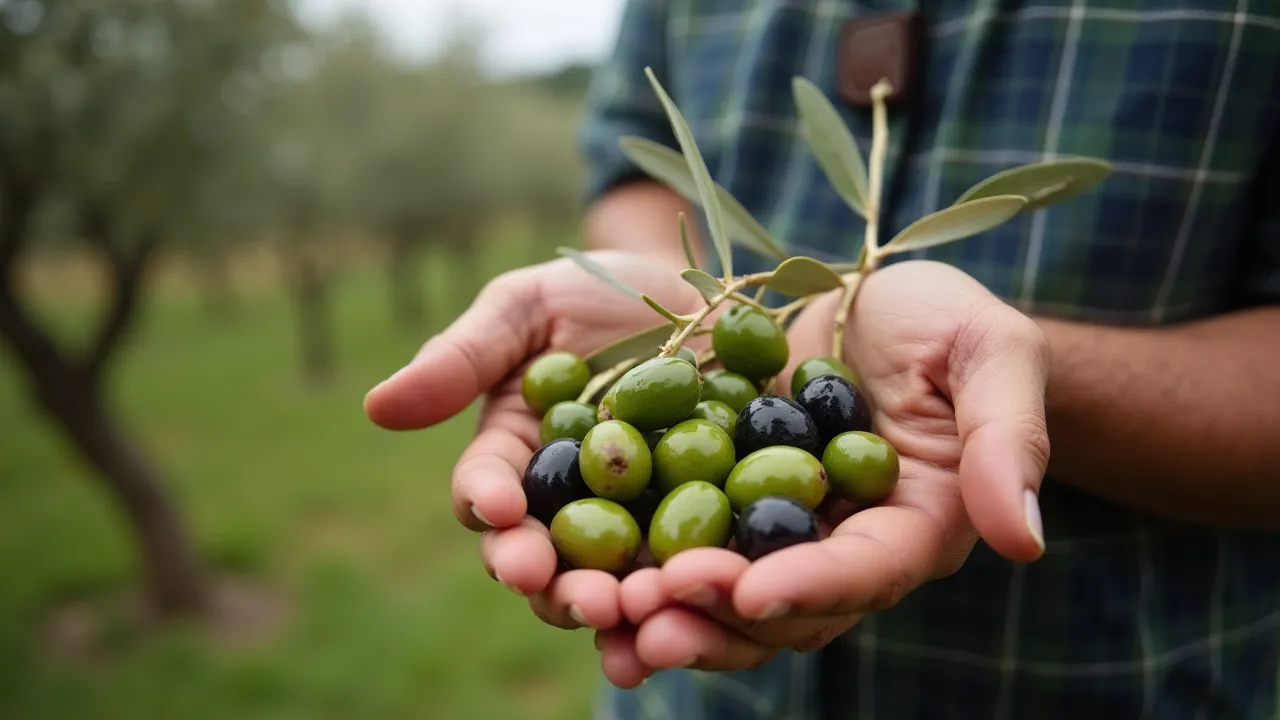
National Olive Day, celebrated on June 1st, honors the ancient olive tree and its fruit. Explore the rich history, health benefits, and global culinary traditions of olives.
The Historical Origins & Evolutionary Journey
National Olive Day, observed annually on June 1st, traces its roots to the ancient Mediterranean civilizations where the olive tree (Olea europaea) was revered as a symbol of peace, wisdom, and prosperity. The day was officially established in 2016 by the Olive Oil Council of America to promote awareness of the olive's cultural and nutritional significance.
The Foundational Catalyst
The olive tree has been cultivated for over 7,000 years, with early evidence found in Crete and Syria. The Greeks and Romans spread olive cultivation across the Mediterranean, using olives for food, oil, and religious rituals. The olive branch was a universal emblem of peace.
The Legislative/Official Adoption
In 2016, the Olive Oil Council of America, backed by olive growers and importers, petitioned the National Day Calendar to designate June 1st as National Olive Day. The date was chosen to coincide with the start of the olive blossom season in the Northern Hemisphere. The observance was officially recognized by the U.S. Congress in a non-binding resolution.
Modern Global Legacy
Today, National Olive Day is celebrated in the United States and increasingly worldwide. It highlights the health benefits of olives and olive oil, supports sustainable agriculture, and encourages culinary exploration. Social media campaigns like #NationalOliveDay amplify the celebration.
How to Celebrate National Olive Day
National Olive Day is best celebrated by embracing the olive in all its forms. Here are actionable strategies for individuals, schools, and organizations:
- Host an Olive Tasting: Gather a variety of olives—Kalamata, Manzanilla, Castelvetrano—and pair them with cheeses, breads, and wines. Use flavor wheels to describe tastes.
- Cook with Olive Oil: Prepare dishes that highlight extra virgin olive oil, such as Greek salad, bruschetta, or olive oil cake. Experiment with infused oils.
- Visit an Olive Grove: If possible, tour a local olive farm or orchard to learn about cultivation and pressing.
- Educational Events: Schools can teach the history and botany of olives, and hold olive-themed art contests.
- Support Olive Growers: Buy olives and olive oil from local producers or fair-trade sources.
Global Celebrations
- United States: Olive oil tastings and cooking classes are popular, especially in California.
- Greece: Many tavernas offer free meze plates of olives.
- Italy: Festival dell'Olio in small towns features olive pressing demonstrations.
- Spain: Feria de la Aceituna showcases table olives from the Andalusia region.
Health Benefits of Olives and Olive Oil
Olives are a cornerstone of the Mediterranean diet, celebrated for their numerous health benefits. Rich in monounsaturated fats and antioxidants, they support heart health, reduce inflammation, and protect against chronic diseases.
Nutritional Profile
Olives are low in calories yet high in healthy fats, vitamin E, iron, copper, and calcium. Olive oil, especially extra virgin, contains polyphenols like oleocanthal, which has anti-inflammatory properties similar to ibuprofen.
Key Health Advantages
- Heart Health: The monounsaturated fats in olives lower LDL (bad) cholesterol and increase HDL (good) cholesterol, reducing the risk of cardiovascular disease.
- Cancer Prevention: Antioxidants in olives may inhibit the growth of cancer cells, particularly breast and colon cancers.
- Anti-Aging: Vitamin E and polyphenols protect skin from oxidative damage and promote a youthful complexion.
- Digestive Health: Olives contain fiber and polyphenols that support gut microbiota.
Daily Consumption Recommendations
Experts suggest consuming 2-3 tablespoons of extra virgin olive oil per day and a small serving of olives as part of a balanced diet.
Culinary Uses Around the World
Olives and olive oil are indispensable in global cuisines. From the Mediterranean to the Middle East, their versatility enhances dishes raw, cooked, or preserved.
Mediterranean Classics
- Greek Salad: Tomatoes, cucumbers, feta, and Kalamata olives drizzled with olive oil.
- Italian Bruschetta: Toasted bread topped with tomatoes, basil, and a generous pour of olive oil.
- Spanish Tapas: Olives marinated with garlic, herbs, and sherry vinegar.
Middle Eastern & North African
- Tagine: Slow-cooked stew with olives, preserved lemons, and lamb or chicken.
- Zaalouk: Moroccan eggplant and olive salad.
Modern Innovations
Olive oil is now used in baking, cocktails (e.g., olive oil gin fizz), and even coffee. Olive leaf tea is gaining popularity as a wellness beverage.
Global Impact: Economy & Agriculture
The olive industry is a multi-billion dollar sector employing millions worldwide. Major producers include Spain, Italy, Greece, Turkey, and Tunisia, with California emerging as a key U.S. producer.
Economic Significance
The global olive oil market was valued at $13.2 billion in 2023 and is projected to grow steadily. Table olives also contribute significantly, with Spain leading production.
Sustainability Practices
- Organic farming: Many groves are converting to organic to meet consumer demand.
- Water conservation: Drip irrigation and dry farming techniques reduce water usage.
- Carbon sequestration: Olive trees absorb CO2, making them a carbon-neutral crop.
Challenges
Climate change, olive fruit fly infestations, and labor shortages threaten yields. National Olive Day raises awareness for supporting sustainable brands.
Olive Oil Varieties and Their Characteristics
Olive oil comes in many varieties, each with distinct flavor profiles based on the olive cultivar, terroir, and processing method. Here are the main types:
- Extra Virgin Olive Oil (EVOO): The highest grade, cold-pressed, with no defects. Peppery, grassy, and fruity.
- Virgin Olive Oil: Slightly higher acidity (up to 2%) but still high quality.
- Pure Olive Oil: A blend of virgin and refined oils, with a milder flavor.
- Light Olive Oil: Highly refined, neutral flavor, ideal for baking.
Notable Cultivars
- Arbequina: Spanish, mild and buttery.
- Picual: Spanish, robust and peppery, high in polyphenols.
- Koroneiki: Greek, grassy and herbal.
- Frantoio: Italian, medium intensity with artichoke notes.
Each variety pairs best with specific dishes: delicate EVOO for salads, robust types for grilled meats.
Historical Timeline
Earliest evidence of olive cultivation in Crete and Syria.
Olive oil used for lamps and anointing in Ancient Egypt.
Olive wreaths awarded to Olympic victors in Greece, symbolizing peace.
Olive cultivation spreads throughout the Iberian Peninsula under Roman rule.
Spanish explorers introduce olives to the Americas.
First commercial olive orchard planted in California by Franciscan missionaries.
National Olive Day officially recognized in the United States, celebrated on June 1st.
National Olive Day continues to grow, with events worldwide promoting olive culture and health.