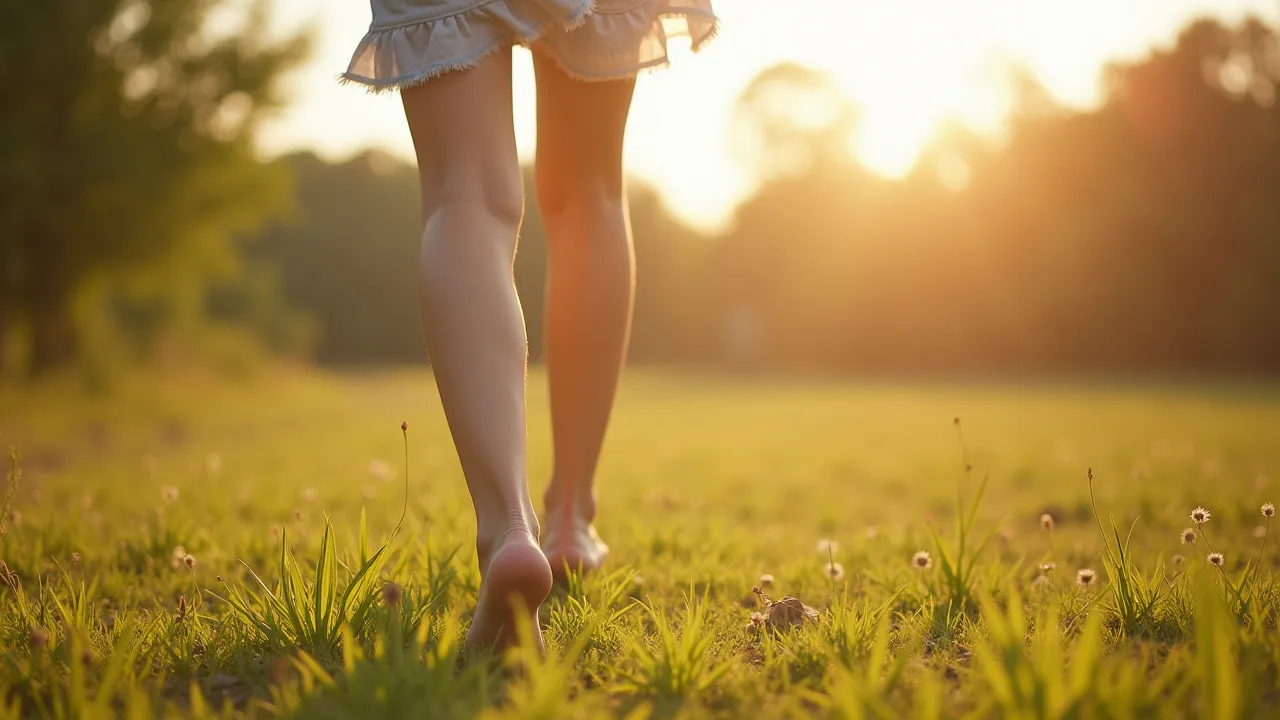
National Go Barefoot Day, observed annually on June 1st, invites everyone to kick off their shoes and reconnect with the earth. This day celebrates the physical and mental health benefits of walking barefoot, from improved posture to reduced stress.
The Historical Origins & Evolutionary Journey
National Go Barefoot Day, observed annually on June 1st, has a rich but relatively modern history. Unlike ancient observances, this day emerged from a growing awareness of the benefits of barefoot living, fueled by scientific research and cultural shifts. The concept of going barefoot as a deliberate practice has roots in both ancient traditions and 20th-century health movements.
The Foundational Catalyst
The modern barefoot movement gained momentum in the 1960s and 1970s with the rise of recreational running. Notable figures like Abebe Bikila, who won the 1960 Olympic marathon barefoot, inspired a generation. However, National Go Barefoot Day specifically crystallized in the early 2000s as a grassroots effort to promote natural movement. It is believed to have been informally started by barefoot enthusiasts and later popularized through social media.
The Legislative/Official Adoption
While National Go Barefoot Day is not a federal holiday, it has been recognized by various organizations and communities. The date June 1st was chosen to coincide with the start of summer in the Northern Hemisphere, encouraging outdoor activities. Some sources attribute the official designation to a 2010 campaign by a barefoot advocacy group, though no single founder is universally credited.
Modern Global Legacy
Today, the day is celebrated worldwide with events such as barefoot hikes, grounding workshops, and shoe-free zones. It aligns with the principles of Earthing, which suggests that physical contact with the Earth's surface electrons promotes health. The day also highlights environmental benefits, as going barefoot reduces reliance on leather and synthetic shoe production.
How to Celebrate National Go Barefoot Day
Celebrating National Go Barefoot Day is simple, but there are many meaningful ways to embrace the experience. Here is the ultimate guide to making the most of June 1st.
Individual Practices
- Morning Grounding: Step outside onto grass or soil for at least 15 minutes. Focus on the sensation of the earth beneath your feet.
- Barefoot Walk: Find a safe, clean path—park, beach, or garden—and walk for 30 minutes. Pay attention to posture and balance.
- Mindful Meditation: Sit or stand barefoot on natural ground while practicing deep breathing. This enhances the grounding effect.
- Barefoot Yoga: Practice yoga poses without a mat, directly on grass or sand. This improves stability and connection.
Community and Social Activities
- Organize a Barefoot Picnic: Invite friends to a park where everyone removes their shoes. Share a meal and play games.
- Barefoot Hike: Lead a group hike on a designated barefoot-friendly trail. Ensure the path is free of sharp objects.
- Shoe Drive: Combine celebration with charity by collecting gently used shoes for those in need. Contrast the day's theme with service.
Cultural Variations
In Japan, some schools promote hadaashi (barefoot) time for children to improve foot strength. In New Zealand, tribes practice walking barefoot as a sign of respect for the land. In the US, some workplaces declare a 'no shoes' policy for the day, encouraging relaxation and creativity.
Health Benefits of Going Barefoot
The health benefits of walking barefoot are supported by a growing body of scientific evidence. This section explores the physical and mental advantages.
Physical Health
- Improved Foot Mechanics: Walking barefoot strengthens intrinsic foot muscles, improves arch support, and reduces the risk of common injuries like plantar fasciitis.
- Better Posture and Gait: Without shoes, the feet provide more sensory feedback, leading to a natural gait that aligns the spine and hips.
- Reduced Inflammation: The practice of Earthing (grounding) is believed to neutralize free radicals and reduce chronic inflammation, as shown in studies on walking on grass or soil.
Mental Health
- Stress Reduction: The sensory experience of barefoot walking on natural surfaces lowers cortisol levels and promotes relaxation.
- Enhanced Mindfulness: Focusing on the sensation of the ground encourages present-moment awareness, similar to meditation.
- Connection to Nature: Going barefoot fosters a sense of unity with the environment, combating feelings of isolation in modern life.
Scientific Studies
A 2015 study in the Journal of Environmental and Public Health found that grounding improves sleep and reduces pain. Another 2019 study showed that barefoot running reduces impact forces compared to shod running.
Environmental Impact: Walking Light on the Earth
National Go Barefoot Day also shines a light on environmental sustainability. The footwear industry contributes to pollution, waste, and carbon emissions. By going barefoot, even for a day, we acknowledge these issues.
Reducing Shoe Waste
Over 20 billion pairs of shoes are produced annually, many ending up in landfills where they take decades to decompose. Barefoot days encourage people to consider the lifecycle of their footwear and opt for minimalistic or biodegradable options.
Lower Carbon Footprint
Manufacturing a single pair of running shoes emits about 14 kg of CO2. By abstaining from shoes, even temporarily, individuals reduce their carbon footprint. The day promotes a mindset of conscious consumerism.
Connection to Natural Surfaces
Walking barefoot allows people to directly experience the textures of grass, soil, and sand, fostering a deeper appreciation for natural environments. This often motivates environmental stewardship, such as cleaning up local parks or planting trees.
Cultural Perspectives on Barefoot Living
Barefoot living has different meanings across the globe. In some cultures, it is a sign of humility and respect; in others, it is a health practice. This section explores these diverse viewpoints.
Asia
In India, removing shoes before entering a home or temple is a sign of respect and cleanliness. In Japan, hadaashi is encouraged for children to develop strong feet. Many Japanese schools have barefoot policies for certain activities.
Africa
In many rural African communities, walking barefoot is common due to economic factors and tradition. It connects people to the land and is seen as practical for natural terrain.
Western World
In the US and Europe, barefoot walking is often associated with counterculture or health movements. However, it is gaining mainstream acceptance through research on grounding and minimalist footwear.
Indigenous Traditions
For many indigenous groups, barefoot walking is a spiritual practice that honors the earth. Ceremonies often involve barefoot dancing or processions to symbolize oneness with nature.
The Barefoot Movement in Modern Society
The barefoot movement has evolved from niche to near-mainstream, influenced by research, footwear innovations, and social media. This section examines its current status and future trends.
Popularity and Community
Online communities like the 'Barefoot Runners Society' and social media hashtags like #BarefootDay have thousands of participants. Barefoot parks and trails are increasingly common in urban planning.
Controversies and Challenges
Critics argue that barefoot walking can increase injury risk from sharp objects or infections. However, proponents stress gradual adaptation and common sense. Many cities still stigmatize barefoot as unsanitary, though no evidence supports this claim.
Corporate Influence
Shoe companies like Vibram and Xero have capitalized on the trend, producing minimalist shoes that mimic barefoot movement. While controversial, these products have made barefoot-like benefits accessible to those who cannot go fully barefoot.
Future Outlook
As research on Earthing continues, public health campaigns may promote barefoot time in schools and workplaces. National Go Barefoot Day could become a catalyst for policy changes, such as requiring more natural surfaces in public spaces.
Historical Timeline
Ethiopian runner Abebe Bikila wins the Olympic marathon barefoot, inspiring a generation of runners to reconsider footwear.
Barefoot running gains popularity with the publication of books like 'Born to Run' by Christopher McDougall, which highlights the Tarahumara Indians' barefoot running tradition.
Early grassroots efforts to establish a day for barefoot living begin on online forums and among natural health advocates.
National Go Barefoot Day is first observed informally on June 1st, promoted by barefoot enthusiasts and social media campaigns.
Research on 'grounding' or 'earthing' is published in peer-reviewed journals, linking barefoot contact with the earth to reduced inflammation and improved sleep.
The day gains wider recognition during the COVID-19 pandemic as people seek outdoor activities that promote health and connection with nature.