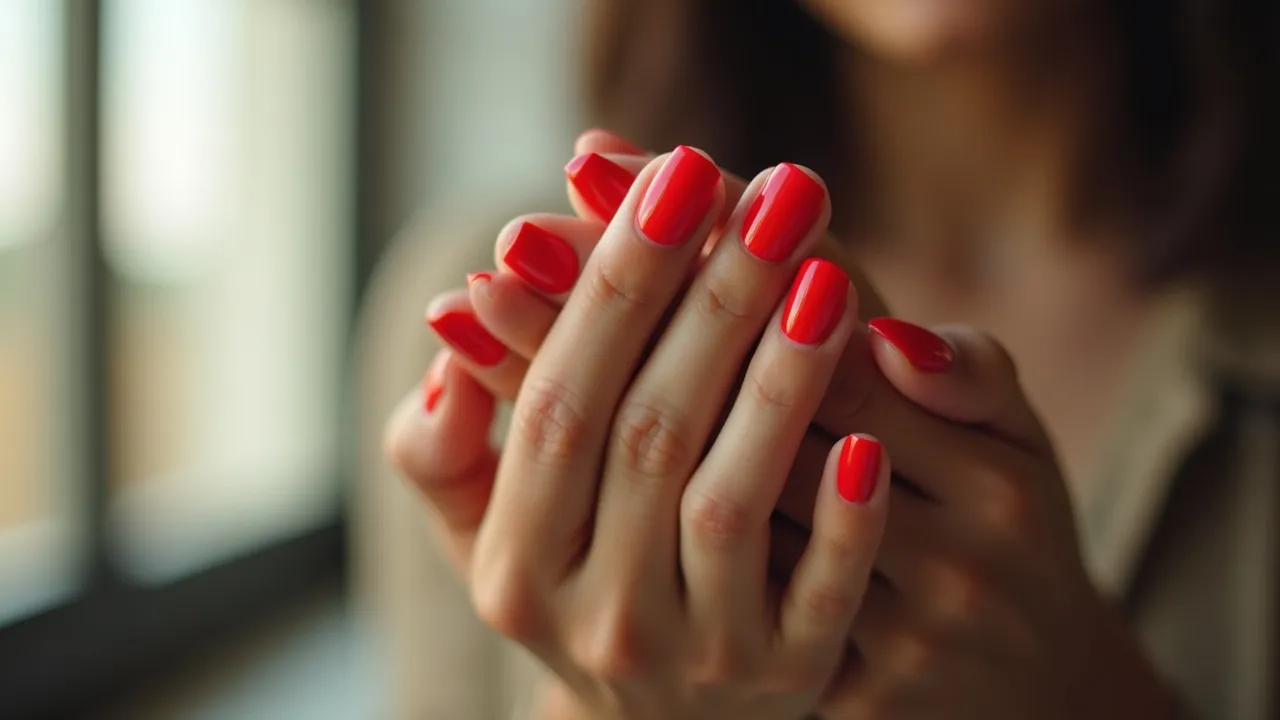
Celebrate National Nail Polish Day on June 1st! This day honors the creativity and artistry of nail polish, from classic reds to avant-garde designs. Perfect for a DIY manicure or salon visit.
History and Origins
National Nail Polish Day, observed annually on June 1st, celebrates the history and artistry of nail polish. While the exact origins of the day are obscure, it likely emerged from social media and consumer enthusiasm in the early 2010s, promoted by beauty influencers and nail polish brands. The modern nail polish story begins much earlier.
The Foundational Catalyst
The earliest forms of nail coloring date back to ancient civilizations. In China, around 3000 BCE, nail color signified social status, with royals using a mixture of gum Arabic, egg whites, gelatin, and beeswax. In ancient Egypt, henna was used to stain nails, with darker hues reserved for the elite. However, the modern liquid nail polish was invented in the early 20th century. In 1911, the Northam Warren Company (later Cutex) introduced a clear liquid nail strengthener. By 1917, they released the first tinted nail polish in pale pink, derived from automotive paint technology.
The Legislative/Official Adoption
No formal legislation established National Nail Polish Day. Instead, it is a grassroots observance championed by nail care brands, salons, and enthusiasts. The day gained traction with the rise of social media platforms like Instagram and Pinterest, where nail art became a viral trend. In 2013, major brands like OPI and Essie began marking the day with promotions, further cementing its cultural presence. Today, it is widely recognized as an unofficial holiday in the United States and beyond.
Modern Global Legacy
National Nail Polish Day now transcends its commercial origins, serving as a celebration of self-expression, artistry, and creativity. From basic colors to intricate 3D nail art, the day encourages everyone to experiment with their nails. It also highlights the industry's evolution toward safer, non-toxic formulations. The global beauty industry has embraced the day, with brands launching exclusive collections, salons offering discounts, and online communities hosting challenges. This day underscores nail polish as a tool for empowerment and individuality.
How to Celebrate National Nail Polish Day
National Nail Polish Day offers endless ways to join the fun, whether you are a nail art novice or a seasoned pro. Here are actionable strategies for individuals, groups, and organizations to honor this colorful day.
Individual Celebrations
- DIY Manicure: Treat yourself to a home manicure. Start with clean, shaped nails, apply a base coat, two coats of your favorite color, and a top coat for shine. Experiment with bold shades like electric blue or classic red.
- Nail Art Adventure: Try simple designs like polka dots, stripes, or ombre using tape, dotting tools, or a toothpick. For advanced users, try stamping or freehand art.
- Nail Polish Swap: Host a swap party with friends where you exchange polishes you no longer use, discover new shades, and share tips.
- Self-Care Session: Combine your manicure with other self-care practices like a hand massage, cuticle oil treatment, or relaxing soak.
Group and Social Celebrations
- Office or School Day: Organize a "Nail Polish Day" at work or school where participants wear either a specific color (e.g., red for confidence) or showcase their nail art. Offer small prizes for most creative design.
- Charity Event: Partner with a local salon to host a nail painting event where proceeds go to a charity supporting women's health or empowerment. Charge a small fee for a polish change.
- Virtual Polish Party: Use Zoom or Instagram Live to host a nail art tutorial. Invite a local nail artist to demonstrate techniques while attendees follow along. Use hashtags like #NationalNailPolishDay to connect globally.
Industry and Business Celebrations
- Salon Offers: Nail salons can offer special discounts on manicures and pedicures, or launch a limited-edition color inspired by the day.
- Brand Campaigns: Nail polish brands can create social media contests asking customers to share their nail art using a branded hashtag, with prizes like gift sets.
- Educational Workshops: Host a free webinar on nail health, ingredient safety, or career opportunities in the nail industry to build trust and authority.
Around the world, celebrations vary. In Japan, nail art is highly expressive, with trends like kawaii (cute) designs dominating. In France, the classic French manicure remains popular, while in Brazil, bright, tropical colors are favored. National Nail Polish Day adapts to local aesthetics while uniting under the love of polished nails.
The Global Impact of Nail Polish Culture
Nail polish has evolved from a luxury adornment to a global cultural phenomenon, influencing fashion, identity, and even social movements. National Nail Polish Day amplifies this impact.
Economic Influence
The global nail polish market is valued at over $15 billion, with consistent growth driven by innovation and consumer demand. Major players like OPI, Essie, and Sally Hansen dominate, but indie brands are rising with niche offerings like vegan, cruelty-free, and "clean" formulas. The day stimulates sales and encourages trial of new products, benefiting the entire supply chain from manufacturers to salons.
Cultural Significance
Nail polish transcends gender norms. Increasingly, men are adopting nail polish as a form of self-expression, challenging traditional masculinity. The #MalePolish movement on social media showcases this trend. Additionally, nail art has become a medium for political and social statements. For instance, during the COVID-19 pandemic, many painted messages of hope or support for healthcare workers on their nails. National Nail Polish Day provides a platform for such expressions.
Artistic Community
The day fosters a global community of nail artists who share techniques and inspiration online. Platforms like Instagram, Pinterest, and TikTok are filled with tutorials and galleries. Competitions like the Nailympics highlight professional artistry. This community encourages creativity, with styles ranging from minimalist to avant-garde, using materials like chrome powders, stickers, and even dried flowers. National Nail Polish Day celebrates this vibrant ecosystem.
Artistic Expressions and Nail Art Trends
Nail polish is a canvas for artistic expression. Here are key trends that define contemporary nail art, often showcased on National Nail Polish Day.
Popular Styles
- Minimalist: Clean lines, negative space, and simple shapes like dots or half-moons. Perfect for everyday elegance.
- Geometric: Bold patterns using tape or stencils, creating asymmetric or symmetrical designs.
- French Manicure Variations: Classic white tips reimagined with colors, ombre, or metallic finishes.
- 3D Nail Art: Adding charms, pearls, acrylic flowers, or gel extensions for dimension.
- Chrome and Mirror: High-shine metallic finishes achieved with powder or foil.
Seasonal Inspiration
Spring and summer call for pastels, neon, and floral patterns. Autumn brings warm tones like burgundy and mustard, while winter features glitter, velvet textures, and holiday themes. National Nail Polish Day in June aligns with vibrant, sunny colors. Try citrus shades, coral, or tropical patterns. Many brands release limited-edition collections for the day.
Tools and Techniques
Modern nail art tools include dotting tools, striping brushes, sponges for ombre, and stamping plates with intricate images. Water marbling and dry brushing are popular techniques. For beginners, stick-on nail wraps are a quick alternative. The day is an opportunity to learn a new skill, with many online tutorials free on YouTube.
Health and Safety in Nail Care
While nail polish is fun, it is important to prioritize nail health and safety. National Nail Polish Day is a perfect time to educate on best practices.
Choosing Safe Products
Look for polishes labeled "3-Free" (free of formaldehyde, toluene, and dibutyl phthalate) or "5-Free" (also free of formaldehyde resin and camphor). Many brands now offer water-based, non-toxic alternatives. Avoid polishes with strong chemical odors; proper ventilation is crucial. For those with allergies, hypoallergenic lines are available.
Preventing Damage
- Avoid Overfiling: Use a fine-grit file and file in one direction to prevent peeling.
- Use Base and Top Coat: Base coat protects against staining, and top coat extends wear and prevents chipping.
- Limit Gel and Acrylics: These can weaken natural nails over time. Give nails a break between treatments.
- Moisturize: Apply cuticle oil and hand cream daily to prevent dryness and hangnails.
Salon Safety
When visiting a salon, ensure tools are sterilized. Bring your own tools if possible. Look for a well-ventilated space and licensed technicians. Discuss any concerns about products or techniques. National Nail Polish Day salons often run specials, but safety should never be compromised.
The Future of Nail Polish Innovation
The nail polish industry continues to innovate, with trends pointing toward personalization, sustainability, and technology. National Nail Polish Day 2025 and beyond will likely see these advancements.
Sustainable Formulations
Consumers demand eco-friendly options. Brands are developing biodegradable glitter, recyclable packaging, and plant-based ingredients. Some companies offer refillable polish containers to reduce waste. The shift to "clean beauty" is reshaping product lines.
Smart Nail Technology
Emerging innovations include nail polish that changes color with UV exposure (photochromic) or temperature (thermochromic). Others incorporate microchips for monitoring health metrics like temperature or UV exposure. While still niche, these technologies may become mainstream.
Customization and AI
AI-powered apps allow users to "try on" nail colors virtually before buying. Some brands offer custom-blended polishes based on a photo of your outfit or a color you love. 3D printing for nail art is also in development, enabling instant intricate designs. The future of National Nail Polish Day will likely include digital events and virtual nail art galleries.
Historical Timeline
Ancient Chinese civilizations use gum Arabic, egg whites, and petals to tint nails, with color denoting social class.
Northam Warren (Cutex) introduces a clear liquid nail strengthener, paving the way for modern nail polish.
Cutex launches the first tinted nail polish in pale pink, based on automotive paint technology.
The modern nail polish color range expands with brighter shades; Revlon introduces opaque nail enamels.
Nail polish becomes a mainstream cosmetic; press-on nails and acrylics emerge.
Punk and rock culture popularize bold, dark nail colors on both genders.
Nail art trends include French manicures, stencils, and decals. Beauty blogs start sharing tips.
Social media platforms like Instagram and Pinterest fuel a nail art renaissance; National Nail Polish Day gains traction.
Major brands like OPI and Essie officially mark June 1st with promotions, solidifying the day's recognition.
The COVID-19 pandemic leads to a surge in DIY manicures and nail art tutorials as people stay home.