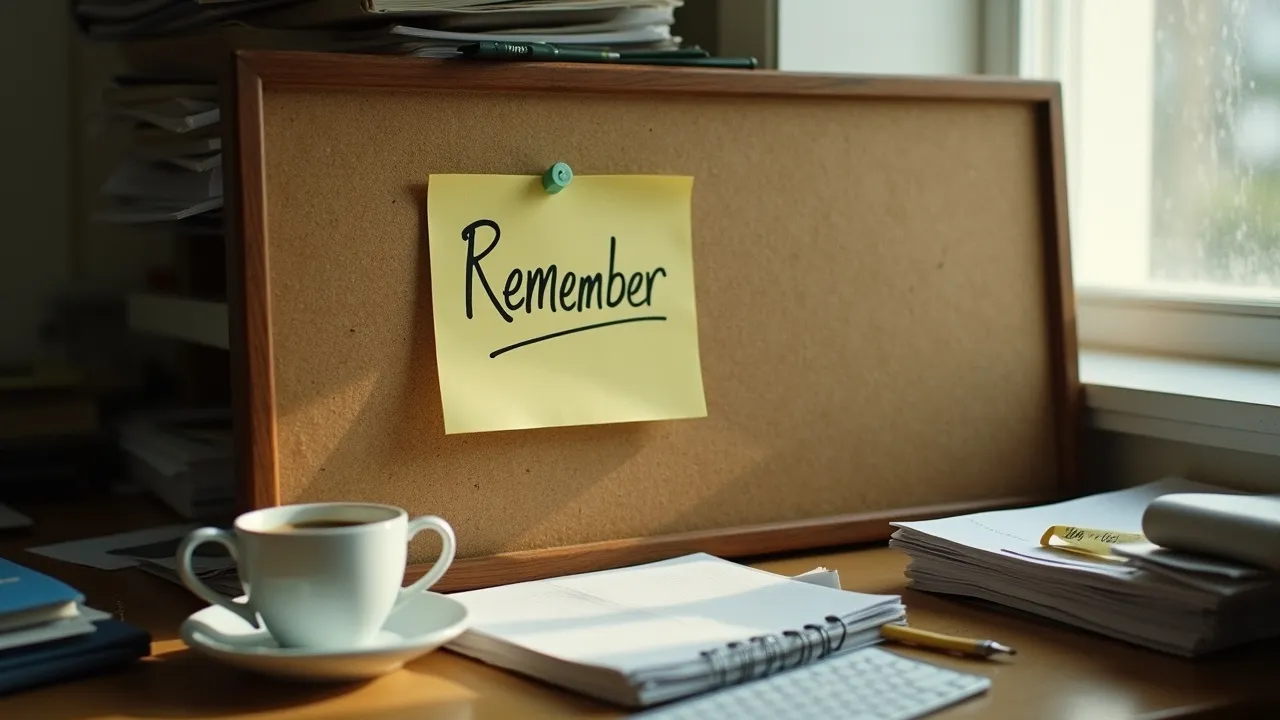
National Memo Day on May 21st celebrates the art of the memorandum—a concise written communication. It encourages everyone to write thoughtful notes, reminders, and messages to improve productivity and clarity.
The Historical Origins & Evolutionary Journey of the Memo
The memorandum, often shortened to 'memo,' has a rich history that spans centuries. Its roots lie in the Latin word memorandum, meaning 'that which is to be remembered.' National Memo Day, observed on May 21st, honors this essential communication tool.
The Foundational Catalyst
The earliest forms of memos can be traced to ancient civilizations where scribes recorded information on clay tablets or papyrus. However, the modern memo as a business instrument emerged during the Renaissance when merchants and diplomats used written notes to convey instructions and record decisions. The invention of the printing press in the 15th century further facilitated the spread of written memoranda.
The Legislative/Official Adoption
The memo became standardized in government and corporate settings during the 19th century. The British Civil Service adopted memoranda for internal communication, and by the early 1900s, carbon paper allowed for easy duplication. The 1950s saw the rise of the 'office memo' format—with headings like TO, FROM, DATE, and SUBJECT—which remains in use today. National Memo Day as an official observance was first promoted in the early 2000s by various online holiday calendars, gaining traction as a day to promote effective written communication.
Modern Global Legacy
In the digital age, memos have evolved from paper slips to emails, instant messages, and project management tools. Despite technological shifts, the core purpose persists: to inform, remind, or direct action. National Memo Day now encourages people worldwide to embrace the discipline of clear, concise writing, whether on sticky notes, formal documents, or digital platforms. The day also serves as a reminder of the memo's role in organizational efficiency and historical record-keeping.
How to Celebrate National Memo Day
National Memo Day is the perfect opportunity to sharpen your communication skills and share thoughtful messages. Here are practical ways to observe the day:
For Individuals
- Write a hand-written memo to a family member or friend expressing gratitude or a reminder.
- Create a to-do list using sticky notes and place them in visible spots to boost productivity.
- Draft a professional memo to your boss or team highlighting an idea or achievement.
For Schools & Teachers
- Host a 'Memo Writing Workshop' teaching students the format and importance of clear communication.
- Encourage students to write memos to historical figures as a creative history exercise.
For Organizations
- Launch an internal memo contest with prizes for the most effective or creative memo.
- Distribute templates and guidelines for writing memos to improve workplace clarity.
- Use the day to review past memos and archive important ones for historical reference.
Globally, different cultures add unique twists. In Japan, memo-taki (memo-taking) is a revered practice in business etiquette, while in Sweden, the PM (promemoria) is a standard government document. Celebrate by adopting best practices from around the world.
The Role of Memos in Business Communication
Memos are a cornerstone of internal business communication, offering a formal yet concise way to disseminate information. They differ from emails in their structure and purpose. A typical memo includes a header (TO, FROM, DATE, SUBJECT), an opening statement, a body with details, and a call to action. Effective memos respect the reader's time by being direct and actionable.
In large organizations, memos help maintain a paper trail of decisions and policies. They are particularly valuable for sensitive topics that require a written record. The rise of email did not kill the memo; rather, it transformed it into digital formats that can be archived and searched. Studies show that well-written memos reduce misunderstandings and increase productivity. National Memo Day highlights these benefits and encourages professionals to refine their memo-writing skills.
Memos in Pop Culture and Historical Events
Memos have played pivotal roles in history, sometimes leaking to the public and changing the course of events. The Pentagon Papers (1971) were a top-secret Department of Defense memorandum that revealed hidden truths about the Vietnam War. Similarly, the Oval Office memo during the Watergate scandal became a key piece of evidence. In pop culture, memos appear in films like Office Space, where the famous 'TPS reports' memo satirizes corporate bureaucracy. Television shows such as The Office frequently use memos as comedic devices. National Memo Day reminds us of the power of a simple written note to effect change, both serious and humorous.
The Psychology of Written Reminders
Writing things down has profound psychological benefits. The generation effect explains that people remember information better when they produce it themselves—writing a memo reinforces memory. Additionally, the act of writing reduces cognitive load, freeing mental space for higher-level thinking. Memos serve as external memory aids, offloading tasks onto paper or digital notes. National Memo Day encourages leveraging this psychology: by writing memos, we clarify thoughts, set intentions, and increase follow-through. Research shows that handwritten notes are more effective than typed ones for retention, which is why sticky notes remain popular despite digital alternatives.
Digital vs. Paper Memos: The Modern Debate
While paper memos evoke nostalgia and tangibility, digital memos offer convenience and searchability. The debate centers on which medium is more effective. Paper memos are tactile and can be placed in high-traffic areas, but they are easy to lose and cannot be updated instantly. Digital memos, like emails or note apps, allow for quick edits, sharing, and archiving. However, they may be overlooked in crowded inboxes. A hybrid approach—using paper for urgent reminders and digital for long-term records—is often recommended. National Memo Day is an ideal time to evaluate your personal and organizational memo habits and choose the best tools for your needs.
Historical Timeline
The invention of the printing press by Johannes Gutenberg enables mass production of written memoranda, laying groundwork for standardized office memos.
Carbon paper is invented, allowing easy duplication of memos and facilitating wider distribution in offices.
Standard memo format (TO, FROM, DATE, SUBJECT) becomes common in U.S. government offices, adopted by the U.S. Department of Agriculture.
The first 'sticky note' prototype is accidentally created by Dr. Spencer Silver at 3M, but it is not until 1974 that the adhesive note (Post-it) is commercialized, revolutionizing quick memos.
The Pentagon Papers, a classified memorandum, are leaked to The New York Times, highlighting the memo's power as a historical document.
National Memo Day is first promoted by online holiday calendars, observed annually on May 21st to celebrate the art of memo writing.
The COVID-19 pandemic accelerates digital memo adoption as remote work becomes widespread, with tools like Slack and Microsoft Teams replacing paper memos.