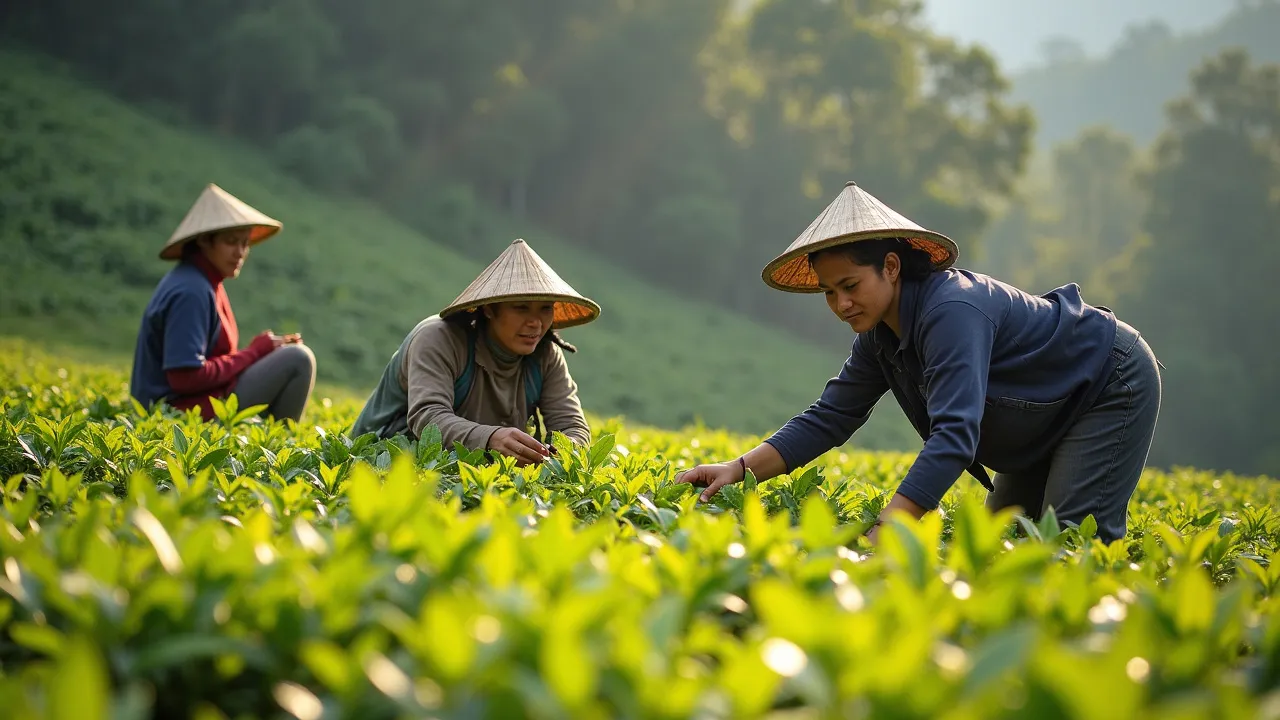
International Tea Day, observed on May 21st, celebrates the cultural heritage, health benefits, and economic significance of tea globally. It promotes sustainable production and fair trade practices in the tea industry.
History of International Tea Day
International Tea Day, observed annually on May 21st, was established by the United Nations General Assembly in 2019 to recognize the profound cultural, economic, and health significance of tea. The day aims to raise awareness about the importance of sustainable tea production, fair trade, and the livelihoods of millions of tea workers worldwide.
The Foundational Catalyst
The journey toward an official tea day began in 2005 when the Food and Agriculture Organization (FAO) of the United Nations first proposed the idea. The FAO recognized that tea cultivation supports over 13 million people directly and many more indirectly, particularly in developing countries. However, the industry faced challenges such as climate change, price volatility, and labor exploitation. The push for a dedicated day gained momentum through grassroots movements and international advocacy, culminating in a formal resolution adopted by the UN General Assembly on December 21, 2019.
The Legislative/Official Adoption
Resolution A/RES/74/241 designated May 21st as International Tea Day, inviting all member states, organizations, and civil society to observe the day with activities that promote awareness and action. The choice of May 21st was strategic: it aligns with the peak tea production season in many major tea-producing countries, including India, China, Kenya, and Sri Lanka. The first official celebration took place in 2020 under the theme "International Tea Day: A Global Celebration of Tea's Health, Well-being, and Economic Importance." Since then, the day has been marked by events at UN headquarters, in tea-growing regions, and by tea enthusiasts worldwide.
Modern Global Legacy
Today, International Tea Day serves as a platform for stakeholders to collaborate on improving the industry's sustainability and equity. It highlights the need for responsible production and consumption, aligning with the UN's Sustainable Development Goals (SDGs), particularly Goal 1 (No Poverty), Goal 2 (Zero Hunger), and Goal 12 (Responsible Consumption and Production). The day also fosters cultural exchange, as tea traditions from different regions—such as Japanese matcha ceremonies, British afternoon tea, and Moroccan mint tea—are celebrated globally.
How to Celebrate International Tea Day
International Tea Day offers a perfect opportunity to deepen your appreciation for tea while supporting ethical and sustainable practices. Whether you're an individual, a school, or an organization, here are actionable ways to participate:
For Individuals
- Learn about tea origins: Research the specific country or region where your favorite tea comes from and understand the labor conditions and environmental practices involved.
- Host a tea-tasting session: Gather friends or family to sample different varieties—green, black, oolong, white, pu-erh, and herbal—and discuss their flavors and histories.
- Switch to fair trade or organic tea: Make a commitment to purchase only ethically sourced tea, supporting farmers who receive fair wages and use sustainable farming methods.
- Visit a local tea shop or plantation: If possible, tour a tea estate to see the cultivation process firsthand and speak with workers.
For Schools and Educational Institutions
- Organize a tea culture day: Have students present on tea traditions from different countries, including China's gongfu ceremony, India's masala chai, and Russia's samovar tradition.
- Conduct a science experiment: Explore the chemistry of tea—extraction of tannins, effect of steeping time on caffeine content, or the impact of water quality on flavor.
- Discuss global trade: Use tea as a case study for lessons on economics, colonialism, and fair trade principles.
For Organizations and Businesses
- Launch a sustainability initiative: Partner with tea brands that prioritize regenerative agriculture and carbon-neutral production.
- Donate to tea worker charities: Support organizations like Ethical Tea Partnership or Rainforest Alliance that work to improve livelihoods in tea-growing communities.
- Host a webinar: Invite experts to discuss the future of tea in the face of climate change and market shifts.
Remember, the central theme of International Tea Day is to promote a inclusive, sustainable tea industry. Every cup counts toward a better future.
Global Impact of the Tea Industry
The tea industry is a cornerstone of economies in many developing nations, particularly in Asia and Africa. According to the FAO, global tea production exceeded 6.3 million metric tons in 2022, with China, India, Kenya, and Sri Lanka accounting for over 75% of output. Tea provides employment for millions, from smallholder farmers to factory workers, and supports ancillary sectors like packaging, logistics, and tourism.
Economic Contributions
- Employment: Over 13 million people are directly employed in tea production, with an estimated 60 million depending on the industry indirectly.
- Export revenues: For countries like Sri Lanka and Kenya, tea is among the top foreign exchange earners, contributing billions of dollars annually.
- Rural development: Tea cultivation often takes place in remote areas with few alternative livelihoods, making it vital for rural economies.
Challenges and Opportunities
Despite its importance, the industry faces significant hurdles: low wages, child labor, gender inequality, and vulnerability to climate change. Rising temperatures are shifting suitable growing zones, while erratic rainfall reduces yields. International Tea Day underscores the need for innovative solutions, such as climate-resilient cultivars, digital supply chain transparency, and consumer-driven demand for ethical products. Organizations like the FAO and the International Tea Committee are working to standardize sustainability metrics and promote certification schemes.
Health Benefits of Tea
Beyond its cultural and economic value, tea is renowned for its health-promoting properties. Rich in antioxidants, polyphenols, and other bioactive compounds, tea has been consumed for centuries as a medicinal beverage. Scientific research continues to confirm its benefits.
Key Health Advantages
- Heart health: Regular consumption of green and black tea can lower blood pressure, reduce LDL cholesterol, and decrease the risk of cardiovascular disease.
- Cognitive function: The combination of caffeine and L-theanine in tea enhances alertness, focus, and mood without the jitters associated with coffee.
- Cancer prevention: Polyphenols like EGCG in green tea have been shown to inhibit tumor growth and reduce the risk of certain cancers, including breast, prostate, and colorectal.
- Weight management: Catechins can boost metabolism and fat oxidation, supporting weight loss efforts when combined with a healthy diet.
- Gut health: Herbal teas like peppermint and ginger aid digestion, while fermented teas like kombucha introduce beneficial probiotics.
Considerations
To maximize benefits, opt for loose-leaf or minimally processed teas, avoid excessive sugar, and moderate caffeine intake. As always, consult a healthcare provider for personalized advice.
Sustainable Tea Production and Fair Trade
Sustainability is at the heart of International Tea Day's mission. Tea production can have significant environmental footprints, including deforestation, water overuse, and chemical pollution. Fair trade and organic certifications address these issues by enforcing standards for environmental stewardship and social equity.
What Makes Tea Sustainable?
- Organic farming: Avoids synthetic pesticides and fertilizers, protecting biodiversity and soil health.
- Water conservation: Rain-fed cultivation and drip irrigation reduce water waste.
- Carbon neutrality: Some estates offset emissions through reforestation and renewable energy.
- Living wages: Fair trade certification ensures workers receive a minimum price that covers production costs and a premium for community projects.
How Consumers Can Help
Look for labels like Fairtrade, Rainforest Alliance, or Direct Trade when purchasing tea. These certifications guarantee that farmers are paid fairly and that environmental standards are met. Additionally, choosing loose-leaf tea over tea bags reduces packaging waste—many bags contain plastic sealants. By making informed choices, tea drinkers can drive market transformation.
Cultural Significance of Tea Around the World
Tea is deeply woven into the social fabric of countless societies. From ancient rituals to modern ceremonies, it symbolizes hospitality, mindfulness, and connection. International Tea Day celebrates this diversity.
Asia: The Cradle of Tea
- China: The birthplace of tea, with traditions like the Gongfu Cha (skillful tea brewing) and the reverence for aged pu-erh. Tea is central to Confucian and Buddhist practices.
- Japan: The tea ceremony (chanoyu) is a meditative practice emphasizing harmony, respect, purity, and tranquility.
- India: Chai—spiced milk tea—is a daily staple, often sold by street vendors (chai wallahs) and shared among friends.
Middle East and Africa
- Morocco: Mint tea—a blend of green tea, fresh mint, and sugar—is a gesture of friendship and hospitality, poured from height to create foam.
- Kenya: As the world's third-largest tea producer, chai is integral to social gatherings, often consumed with milk and ginger.
The West and Beyond
- United Kingdom: Afternoon tea—a tradition dating to the 1840s—features sandwiches, scones, and cakes alongside black tea with milk.
- Russia: Tea is traditionally brewed in a samovar and served strong, often with jam or lemon.
- United States: Iced tea is ubiquitous, especially sweet tea in the South, while specialty tea shops proliferate.
Regional variations extend to the date of celebration: while the UN observes May 21st, some countries like India celebrate National Tea Day on December 15th, commemorating the adoption of the Tea Board of India in 1953. This dual recognition underscores tea's universal appeal.
Historical Timeline
The Food and Agriculture Organization (FAO) of the United Nations first proposes the concept of an International Tea Day to address challenges in the tea industry.
Tea-producing nations begin lobbying for official UN recognition, supported by industry groups and civil society.
The United Nations General Assembly adopts Resolution A/RES/74/241, designating May 21st as International Tea Day, starting in 2020.
First official International Tea Day celebrated globally under the theme 'A Global Celebration of Tea's Health, Well-being, and Economic Importance.'
International Tea Day focuses on sustainable production and fair trade, with virtual events due to the COVID-19 pandemic.
The second in-person celebration at FAO headquarters in Rome highlights climate change impacts on tea cultivation.
Theme: 'Tea and the SDGs: A Path to Sustainable Development.' Emphasis on gender equality and youth empowerment in tea communities.