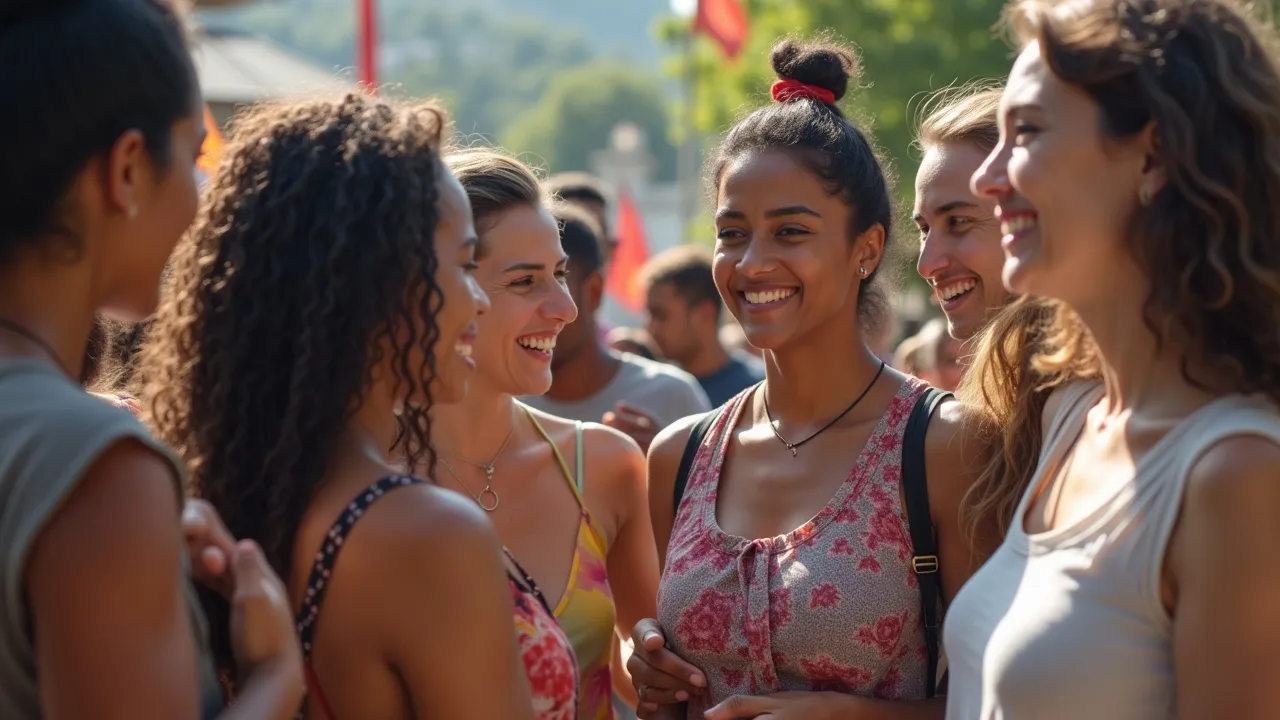
Observed on May 21st, this UN-declared day celebrates the richness of the world's cultures and the importance of intercultural dialogue for peace and sustainable development. It highlights our cultural diversity as a source of innovation and mutual understanding.
The Historical Origins & Evolutionary Journey
The Foundational Catalyst
The concept of a day dedicated to cultural diversity emerged from the UNESCO Universal Declaration on Cultural Diversity, adopted in 2001. This declaration recognized cultural diversity as a "common heritage of humanity" and called for its preservation. The events of September 11, 2001, underscored the urgent need for intercultural dialogue, prompting the UN General Assembly to proclaim May 21 as the World Day for Cultural Diversity for Dialogue and Development in December 2002 (Resolution 57/249).
The Legislative/Official Adoption
The resolution explicitly linked cultural diversity to development and peace, urging member states to promote awareness and exchange. The first observance took place in 2003, with UNESCO coordinating global activities such as conferences, exhibitions, and educational programs. Over time, the day gained traction among civil society, schools, and corporations.
Modern Global Legacy
Today, the day is celebrated in over 100 countries. It has evolved to include digital campaigns, multicultural festivals, and policy discussions. The UN Sustainable Development Goals (SDGs) further integrate cultural diversity as a driver for inclusive growth. The day now serves as a platform to highlight indigenous cultures, linguistic diversity, and the fight against discrimination.
How to Celebrate World Day for Cultural Diversity for Dialogue and Development
Participation can range from personal reflection to large-scale community events. Below are actionable strategies for different groups:
For Individuals
- Attend a cultural festival or museum exhibit showcasing diverse traditions.
- Learn a new language or explore a cuisine from a different culture.
- Engage in conversations with people from backgrounds different from your own.
For Schools
- Organize intercultural workshops and storytelling sessions.
- Host a "culture day" where students present on their heritage.
- Include lesson plans on the Universal Declaration on Cultural Diversity.
For Organizations
- Launch diversity training programs and employee resource groups.
- Partner with local cultural associations for joint events.
- Use social media to share stories of cultural exchange using hashtags like #CulturalDiversityDay.
In countries like India, the day is marked by traditional dance performances; in Brazil, with capoeira and samba; in Canada, with multicultural potlucks. The key is active listening and mutual respect.
The Importance of Cultural Diversity for Development
Cultural diversity is not just a moral imperative but an economic and social asset. UNESCO's reports show that inclusive societies that celebrate diversity experience higher innovation rates and economic growth. Key benefits include:
- Enhanced creativity through cross-cultural collaboration.
- Reduced conflicts via dialogue and understanding.
- Preservation of traditional knowledge and practices.
For example, the creative economy—fueled by diverse cultural expressions—contributes over $2.25 trillion annually to global GDP. Moreover, intercultural dialogue helps achieve SDG 16 (Peace, Justice and Strong Institutions) by fostering trust among communities.
Cultural Diversity in the Workplace
Companies that embrace diversity report 35% higher profitability than their peers (McKinsey 2020). On this day, organizations are encouraged to:
- Conduct bias training and review hiring practices for inclusivity.
- Celebrate multicultural holidays and accommodate cultural needs.
- Create safe spaces for employees to share their backgrounds.
Case in point: Google's employee resource groups host events that improve retention and morale. The day serves as a catalyst for long-term diversity strategies.
Challenges and Threats to Cultural Diversity
Despite progress, cultural diversity faces threats: globalization homogenizing traditions, rising nationalism, and digital divides that marginalize indigenous voices. Key challenges include:
- Linguistic extinction—one language dies every two weeks.
- Cultural appropriation without proper context or respect.
- Discrimination against minorities.
The day highlights these issues and calls for action: supporting endangered languages, promoting ethical tourism, and enforcing anti-discrimination laws.
The Role of Education in Promoting Diversity
Education is the most powerful tool for fostering respect for cultural diversity. UNESCO's Global Citizenship Education framework emphasizes:
- Teaching about different cultures, religions, and traditions.
- Encouraging empathy and critical thinking about stereotypes.
- Implementing multicultural curricula from early childhood.
Schools can organize exchange programs, invite guest speakers from diverse backgrounds, and use the day to launch intercultural projects. Research shows that students in diverse classrooms perform better academically and socially.
Global Initiatives and Partnerships
Numerous organizations collaborate on this day. Notable initiatives include:
- UNESCO's "Do One Thing for Diversity and Inclusion" campaign, encouraging simple actions like trying new cuisine or reading a book from another culture.
- The UN Alliance of Civilizations promoting media literacy and intercultural dialogue.
- Local municipalities hosting "World Village" festivals.
These efforts align with the UN's Decade of Indigenous Languages (2022-2032) and the International Decade for People of African Descent.
Historical Timeline
UNESCO adopts the Universal Declaration on Cultural Diversity, establishing cultural diversity as a global priority.
UN General Assembly passes Resolution 57/249, proclaiming May 21 as the World Day for Cultural Diversity for Dialogue and Development.
First official observance of the day, with events organized by UNESCO and member states worldwide.
UNESCO adopts the Convention on the Protection and Promotion of the Diversity of Cultural Expressions, strengthening legal frameworks.
Launch of the 'Do One Thing for Diversity and Inclusion' campaign, encouraging personal commitments to cultural understanding.
UN Sustainable Development Goals include cultural diversity as a cross-cutting theme for sustainable development.
COVID-19 pandemic highlights the importance of cultural exchange in digital spaces; celebrations go virtual.
UN Decade of Indigenous Languages begins, complementing the day's focus on linguistic diversity.