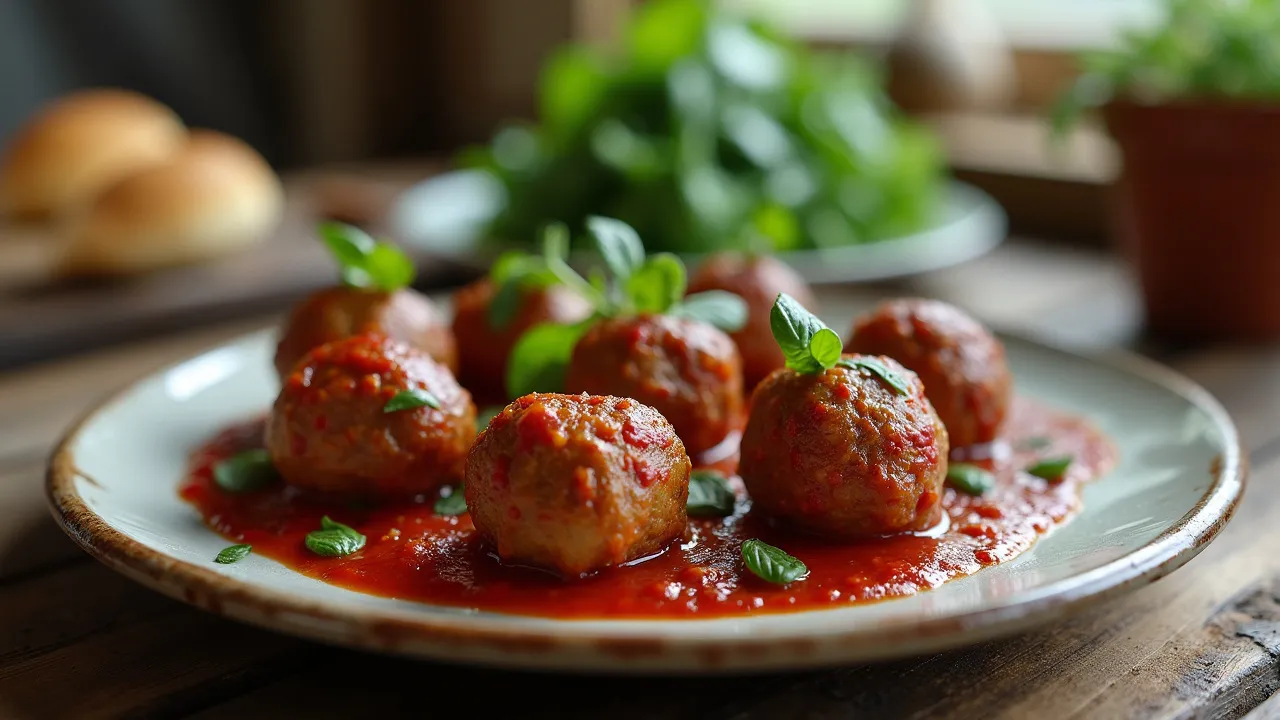
National Meatball Day on March 9th celebrates the beloved meatball in all its forms. From Italian polpette to Swedish kottbullar, this day honors a global comfort food with rich history and cultural significance.
The Historical Origins & Evolutionary Journey
National Meatball Day, observed annually on March 9th, is a relatively modern culinary celebration that has quickly gained traction across the United States and beyond. While the day itself was formally established in 2016 by the National Meatball Council, the history of meatballs stretches back centuries and spans numerous cultures.
The Ancient Roots of Meatballs
The concept of grinding meat and forming it into balls is ancient. Evidence suggests that meatballs existed in ancient Persia, China, and the Roman Empire. The Roman cookbook Apicius includes recipes for isicia, meatballs made with minced meat, bread, and spices. Similarly, the Chinese have lion's head meatballs dating back to the Song Dynasty (960-1279 AD).
The Italian Polpette Tradition
Italian meatballs, or polpette, are famously served without pasta, often as a second course or in broth. They are typically smaller and lighter than their Italian-American counterparts. The mass Italian immigration to the United States in the late 19th and early 20th centuries led to the creation of spaghetti and meatballs, a dish that is virtually unknown in Italy but beloved in America.
The Swedish Kottbullar and Global Variations
Swedish meatballs (kottbullar), made famous by IKEA, are seasoned with allspice and nutmeg and served with lingonberry jam and cream sauce. Other notable variations include kofta in the Middle East, albondigas in Spain and Latin America, and frikadellen in Germany. Each culture has adapted the meatball to local tastes, spices, and cooking methods.
The Modern Adoption of National Meatball Day
The National Meatball Council, an organization dedicated to promoting meatballs, launched National Meatball Day on March 9th to celebrate the dish's versatility and global appeal. Since 2016, restaurants, home cooks, and food brands have embraced the day with special promotions, recipe contests, and community events. The date was chosen to fall after the winter doldrums but before spring, a perfect time for hearty comfort food.
How to Celebrate National Meatball Day
National Meatball Day offers countless ways to honor this versatile dish. Whether you are a home cook, a foodie, or a restaurant owner, the following strategies will help you make the most of March 9th.
For Home Cooks
- Try a New Recipe: Experiment with a different cultural variation, such as Moroccan kefta or Korean meatball skewers.
- Host a Meatball Party: Serve a variety of meatballs with different sauces (marinara, teriyaki, tzatziki) and let guests mix and match.
- Cook with Family: Involve children in rolling meatballs; it's a fun, tactile activity that teaches cooking skills.
For Restaurants and Food Brands
- Offer a Special Menu: Create a limited-time meatball platter or slider. Highlight the day on social media with photos and promotions.
- Host a Meatball Eating Contest: Engage the community with a timed eating challenge (with safety precautions).
- Donate to Food Banks: Partner with local charities to distribute meatball meals, emphasizing the comfort food aspect.
Global Celebration Ideas
In Sweden, celebrate with kottbullar and lingonberry jam; in Italy, make polpette al sugo; in the Middle East, prepare kofta kebabs. Share your creations on social media with the hashtag #NationalMeatballDay.
Global Variations and Cultural Significance
Meatballs are a true global comfort food, with each culture adding its own twist. Here is a deep dive into some of the most iconic meatball traditions around the world.
Italy: Polpette
Italian polpette are made with a mix of ground meats (beef, pork, veal), breadcrumbs, parmesan, eggs, and herbs. They are often braised in tomato sauce or fried and served as a second course. Unlike the large Italian-American meatballs, polpette are small and tender.
Sweden: Kottbullar
Swedish meatballs are smaller, made with a blend of pork and beef, seasoned with allspice, nutmeg, and sometimes onion. They are pan-fried and served with a creamy gravy, mashed potatoes, and lingonberry jam. The IKEA version has made them internationally famous.
Middle East and South Asia: Kofta
Kofta is a broad term for spiced meatball or meatloaf dishes found from the Balkans to India. Typically made from minced lamb or beef mixed with onions, garlic, and spices like cumin, coriander, and cinnamon. They are grilled on skewers (kofta kebab) or simmered in a rich tomato-based curry.
Spain and Latin America: Albondigas
Albondigas are often smaller and served in a flavorful broth or sauce. In Mexico, they are commonly added to a clear soup with vegetables (sopa de albondigas). In Spain, they are often in a spicy tomato sauce.
Germany: Frikadellen
These are larger, flattened meatballs (similar to a burger) made from minced pork and beef, pan-fried, and served with potatoes or bread. They are a common street food and cold buffet item.
United States: Italian-American Meatballs
Oversized and packed with garlic, parmesan, and parsley, these meatballs are a staple of Italian-American cuisine. They are typically simmered in marinara sauce and served over spaghetti, or as a sandwich filling.
Nutritional Profile and Dietary Adaptations
Meatballs can be part of a balanced diet when prepared mindfully. This section explores the nutritional aspects and how to adapt meatballs for various dietary needs.
Traditional Meatball Nutrition
A standard beef meatball (1 ounce) contains roughly 80-100 calories, 5-7g fat, 7g protein, and minimal carbs. However, recipes vary widely. Pork and beef blends increase fat, while chicken or turkey meatballs are leaner. Breadcrumbs add carbohydrates, but can be substituted.
Healthier Alternatives
- Lean Proteins: Use ground turkey, chicken, or bison to reduce saturated fat.
- Whole Grain Binders: Replace white breadcrumbs with whole wheat panko, rolled oats, or almond flour.
- Vegetable Add-Ins: Finely grate zucchini, carrots, or mushrooms to add moisture and nutrients.
Dietary Restrictions
- Gluten-Free: Use gluten-free breadcrumbs, crushed rice crackers, or quinoa.
- Vegetarian/Vegan: Use tofu, tempeh, lentils, or chickpeas as a base. Add flax eggs for binding.
- Keto/Paleo: Skip breadcrumbs; use almond flour, coconut flour, or crushed pork rinds. Include cheese for binding if desired.
These adaptations ensure that everyone can enjoy National Meatball Day regardless of dietary preferences.
Meatballs in Popular Culture and Media
Meatballs have left a mark on movies, television, and literature, often symbolizing comfort, family, and indulgence. This section explores their cultural footprint.
Iconic Film Moments
- "Lady and the Tramp" (1955): The famous spaghetti-and-meatball kiss scene is one of the most romantic food moments in cinema.
- "The Godfather" (1972): Clemenza's instruction to "leave the gun, take the cannoli" is often misquoted; meatballs also appear in the film's family dinner scenes.
- "Cloudy with a Chance of Meatballs" (2009): The animated film features giant meatballs falling from the sky, playing on the absurdity of oversized food.
Television and Literature
Meatballs are a recurring theme in cooking shows (e.g., MasterChef challenges) and children's books (e.g., the Cloudy with a Chance of Meatballs book). They represent both everyday family meals and comfort food nostalgia.
Social Media Trends
On National Meatball Day, platforms like Instagram and TikTok see a surge in user-generated content, including recipe videos, plating ideas, and restaurant reviews. The hashtag #NationalMeatballDay trends annually, with millions of impressions.
Economic and Industry Impact of National Meatball Day
National Meatball Day has become a significant commercial event for the food industry, driving sales of meat, spices, and restaurant traffic. This section examines its economic implications.
Restaurant and Food Service Boost
Many restaurants offer special meatball menus or all-you-can-eat promotions on March 9th. Italian eateries, Swedish-themed cafes, and food trucks see increased foot traffic. According to industry estimates, meatball-related sales can spike by 20-30% on the day.
Grocery and Retail Sales
Supermarkets often feature meatball ingredients in their weekly circulars, including ground meat, breadcrumbs, and sauces. Frozen meatball sales also increase as consumers seek easy preparation. Some retailers run "Meatball Madness" sales events.
Brand Promotions
Brands like IKEA (Swedish meatballs) and Prego (marinara sauce) launch targeted advertising campaigns. The National Meatball Council supports the day with recipes, event ideas, and media outreach. The economic ripple effect extends to cookware (meatball makers, slow cookers) and cookbook sales.
Overall, National Meatball Day represents a profitable niche within the broader comfort food market.
Historical Timeline
Roman cookbook 'Apicius' includes a recipe for isicia, early meatballs made with minced meat, bread, and spices.
Lion's head meatballs appear in Chinese cuisine during the Song Dynasty.
Swedish kottbullar (meatballs) become a staple in Swedish households, often served at holidays.
Italian immigrants in the United States popularize spaghetti and meatballs, which becomes a classic American dish.
Disney's 'Lady and the Tramp' features the iconic spaghetti-and-meatball kiss scene, embedding meatballs in popular culture.
The National Meatball Council establishes National Meatball Day on March 9th to celebrate the dish globally.