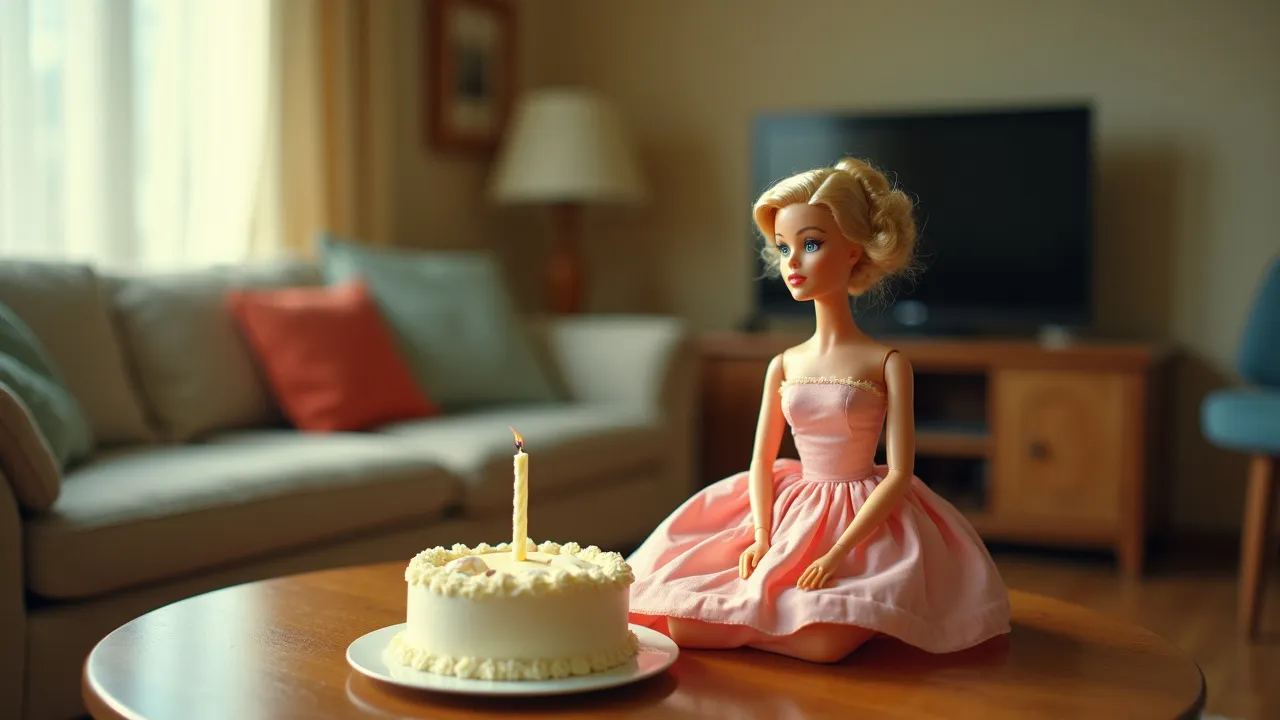
National Barbie Day is celebrated annually on March 9th, honoring the iconic fashion doll created by Ruth Handler. This day commemorates Barbie's debut at the American International Toy Fair in 1959 and her enduring impact on pop culture and generations of children.
The Historical Origins & Evolutionary Journey
National Barbie Day, observed on March 9th, marks the anniversary of Barbie's debut at the American International Toy Fair in New York City in 1959. Created by Ruth Handler, co-founder of Mattel, Barbie was inspired by a German doll named Bild Lilli. Handler noticed her daughter Barbara enjoyed giving adult roles to paper dolls, sparking the idea for a three-dimensional fashion doll for girls.
The Foundational Catalyst
Ruth Handler, alongside her husband Elliot and business partner Harold "Matt" Matson, founded Mattel in 1945. The idea for Barbie came to Ruth while watching her daughter play with paper dolls that resembled adults. At the time, most children's dolls were baby dolls. Handler believed a doll with adult features would empower girls to imagine their futures. After extensive market research, Barbie was introduced at the Toy Fair on March 9, 1959.
The Legislative/Official Adoption
While National Barbie Day is not an official federal holiday, it gained popularity through fan celebrations, Mattel promotions, and social media campaigns. Over the decades, March 9th became widely recognized by collectors, enthusiasts, and retailers as the unofficial birthday of Barbie. Mattel itself often marks the date with special releases and events.
Modern Global Legacy
Barbie has evolved to reflect diversity and inclusion, with dolls of different body types, ethnicities, abilities, and careers. National Barbie Day now celebrates not only a toy but a cultural icon that has influenced fashion, feminism, and global play patterns. The day is marked by digital campaigns, collector sales, and community gatherings worldwide.
How to Celebrate National Barbie Day
National Barbie Day offers a variety of ways to honor the doll's legacy. Below are structured strategies for individuals, schools, and organizations, organized by category.
For Individuals and Families
- Share Memories: Post childhood Barbie photos on social media using #NationalBarbieDay.
- Dress Up: Wear pink or Barbie-inspired outfits.
- Create a Display: Arrange a collection of vintage and modern Barbies.
- Watch Barbie Media: Stream the Barbie movie or animated series.
For Schools and Educational Groups
- History Lesson: Teach the story of Ruth Handler and Barbie's creation.
- Career Exploration: Discuss Barbie's many careers and encourage children to dream big.
- Art Activity: Design a future career-themed Barbie outfit.
For Organizations and Businesses
- Host a Party: Organize a Barbie-themed event with trivia and costume contests.
- Charity Drive: Collect new Barbie dolls for children in need.
- Social Media Campaign: Run a user-generated content contest highlighting diverse Barbie representations.
Barbie's Influence on Fashion and Beauty Standards
Barbie has been a mirror of fashion trends and a lightning rod for debates on body image. Initially criticized for unrealistic proportions, Mattel has since introduced body types such as curvy, tall, and petite. Barbie's fashion evolution reflects changes in the real world, from mod 1960s styles to modern athleisure. National Barbie Day often includes fashion shows and retrospectives that highlight these shifts.
Key Fashion Milestones
- 1959: First Barbie in a black-and-white swimsuit.
- 1970s: Malibu Barbie with sun-kissed look and casual wear.
- 1990s: Holiday Barbie collector editions.
- 2015: Introduction of diverse skin tones and body shapes.
The Role of Barbie in Entrepreneurship and Empowerment
Barbie has held over 200 careers, from astronaut to president, encouraging young girls to envision limitless possibilities. National Barbie Day is an opportunity to highlight these roles and the underlying message of female empowerment. Ruth Handler's own entrepreneurial spirit is celebrated, and many events on this day focus on inspiring the next generation of leaders.
Notable Career Dolls
- 1965: Barbie Astronaut (before the moon landing).
- 1992: Barbie for President (with a platform).
- 2018: Robotics Engineer Barbie.
Global Celebrations and Cultural Adaptations
While National Barbie Day is most prominent in the United States, fans worldwide celebrate on March 9th. In some regions, local traditions have emerged. For example, in Japan, Barbie is celebrated with themed café events, while in Brazil, collectors host swap meets. Countries like Australia and the UK participate through social media drives and retail promotions.
Regional Variations
No official alternate dates exist, but some collectors observe Barbie's birthday on the day of the Toy Fair debut (March 9) rather than any national designation. In Europe, some countries align with the US date due to Mattel's global marketing.
Collecting Barbie: A Global Hobby
Barbie collecting is a multi-million dollar hobby, with rare dolls fetching tens of thousands of dollars at auction. National Barbie Day is a prime time for collectors to showcase their treasures. Below are common practices among enthusiasts.
Collecting Tips
- Know the Era: Vintage 1959-1972 dolls are most valuable.
- Preserve Original Packaging: Unopened boxes increase value significantly.
- Attend Conventions: Events like Barbie Con are held annually.
Notable Rare Dolls
- 1959 #1 Ponytail Barbie: $10,000+ in mint condition.
- 1965 Brunette Bubblecut: Rare variation.
National Barbie Day in the Digital Age
Social media has amplified National Barbie Day into a global trend. Influencers share restoration projects, doll photography, and nostalgia posts. Hashtags like #BarbieDay and #BarbieHistory trend on March 9th. Mattel often launches new products or collaborations on this date to coincide with the celebration.
Online Engagement
- YouTube: Unboxing and review videos.
- Instagram: Styled photo shoots.
- Facebook Groups: Collector swaps and discussions.
Historical Timeline
Barbie makes her debut at the American International Toy Fair in New York on March 9. The first doll wears a black-and-white striped swimsuit and comes in blonde and brunette.
Ken Carson, Barbie's boyfriend, is introduced.
Barbie Astronaut doll is released, reflecting the space race.
Christie, the first African American friend of Barbie, is launched.
First Black Barbie doll is released, though still criticized for features.
Barbie for President doll is introduced with campaign materials.
Share a Smile Becky, a doll in a wheelchair, is released.
Barbie gets a belly button for the first time.
Mattel introduces the Fashionista line with 7 skin tones, 24 hairstyles, and 3 body types: curvy, tall, and petite.
Barbie releases dolls with vitiligo and a prosthetic limb to promote inclusivity.
Barbie launches the 'You Can Be Anything' campaign featuring diverse role models.
The 'Barbie' live-action film directed by Greta Gerwig grosses over $1.4 billion, sparking a global cultural resurgence.