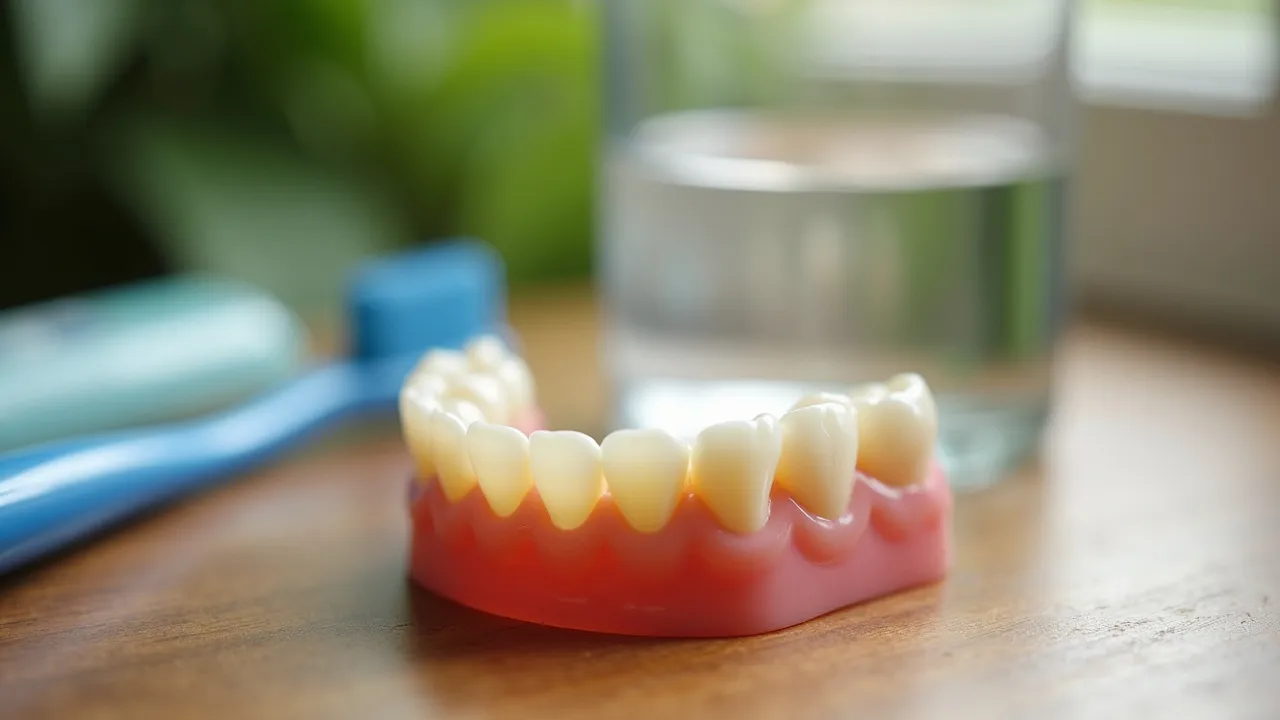
False Teeth Day, observed on March 9th, celebrates the history and importance of dentures. Learn about the evolution of false teeth, how to care for them, and creative ways to mark this unique observance.
The Historical Origins & Evolutionary Journey
False Teeth Day, observed annually on March 9th, honors one of humanity's oldest dental solutions. While the exact origin of this observance is unclear, it likely emerged from dental health awareness campaigns in the early 2000s. The day recognizes the profound impact of dentures on quality of life.
The Foundational Catalyst
The need for false teeth dates back thousands of years. Ancient civilizations used materials like animal teeth, human teeth, and even gold to replace missing ones. The Etruscans (circa 700 BCE) crafted bridges from gold and animal teeth. However, the modern denture journey began in the 18th century.
The Legislative/Official Adoption
Though no government officially created False Teeth Day, its grassroots adoption by dental communities, nursing homes, and oral health advocates has solidified its place on unofficial calendars. The date March 9th was chosen to align with national dental hygiene month in some regions.
Modern Global Legacy
Today, dentures are a mainstream solution for millions. False Teeth Day serves as a reminder to care for oral health, celebrate advancements in prosthodontics, and reduce stigma around wearing dentures. From charity events to educational seminars, the day has grown into a platform for dental awareness.
How to Celebrate False Teeth Day
Celebrating False Teeth Day on March 9th can be both fun and meaningful. Here's a definitive guide to observing the day with actionable strategies for individuals, schools, and organizations.
For Individuals
- Learn about denture care: Research proper cleaning techniques and storage.
- Host a denture-themed party: Serve soft foods and encourage conversations about oral health.
- Volunteer: Visit a nursing home to assist with dental hygiene education.
For Schools & Communities
- Organize educational workshops: Invite a dentist to discuss the importance of dental care.
- Art contests: Have children draw their perfect smile or design a modern denture.
- Fundraisers: Collect donations for denture repair programs for low-income seniors.
Global Variations
While March 9th is the primary date in the United States, other regions celebrate similar awareness days. In the UK, 'National Smile Month' includes denture topics. In Japan, 'Denture Day' is observed on November 11th (11/11 resembling teeth). Always check local calendars.
Global Impact & Regional Variations
False Teeth Day has international resonance, but regional customs differ. In the US, March 9th is widely recognized by dental associations. In Europe, denture awareness is often part of broader oral health initiatives. Australia promotes 'Denture Awareness Week' in August. Below are key regional focuses:
- United States: Emphasis on senior dental care and access to affordable dentures.
- United Kingdom: Integration with NHS campaigns for oral health.
- Japan: Special sales on denture products and free consultations.
- Brazil: Community outreach in rural areas with mobile dental clinics.
The Science of Dentures: Evolution & Technology
Dentures are not just replacements; they are feats of biomedical engineering. Modern dentures use advanced materials like acrylic resin and flexible nylon. The process involves precise molding and digital scanning.
Key Innovations
- Digital dentures: CAD/CAM technology ensures perfect fit and faster production.
- Implant-supported dentures: Permanent fixtures using dental implants for stability.
- 3D printing: Rapid prototyping for affordable dentures.
Impact on Lifespan
With proper care, modern dentures last 5–10 years. Regular adjustments are essential. The future promises smart dentures with sensors to monitor oral health.
Cultural Significance of False Teeth
False teeth have moved from taboo to totem. They appear in folklore (the Tooth Fairy's ancestor) and pop culture (think of grandparent jokes). In some cultures, removing dentures is a sign of intimacy or comfort. False Teeth Day helps normalize the conversation, encouraging people to smile without shame.
In Media
Movies like 'The Dentist' and comedies often use dentures for laughs, but recent portrayals are more respectful. Documentaries highlight the emotional journey of denture wearers, from loss to restored confidence.
Myths and Facts About False Teeth
Dispelling misconceptions is central to False Teeth Day. Here are common myths versus evidence-based facts:
- Myth: Dentures last forever. Fact: They require replacement every 5-10 years due to bone loss and wear.
- Myth: You can skip cleaning if you remove them. Fact: Dentures must be brushed daily to prevent bacterial buildup.
- Myth: Once you have dentures, you can eat anything. Fact: Hard foods like nuts are still challenging; soft diet is recommended initially.
- Myth: Dentures are only for the elderly. Fact: Young adults can need dentures due to accidents or genetic conditions.
Historical Timeline
Etruscans create the earliest known false teeth using gold bands and animal teeth.
French dentist Alexis Duchâteau creates the first porcelain dentures, a major leap in aesthetics.
Samuel Stockton begins commercial production of porcelain dentures in the United States.
Charles Goodyear invents vulcanized rubber, later used for denture bases (Vulcanite dentures).
Introduction of acrylic resin dentures, lighter and more natural-looking than rubber.
Implant-supported dentures become available, offering improved stability.
False Teeth Day is first observed informally in the United States, likely through dental health campaigns.
Digital denture technology using CAD/CAM begins transforming fabrication.
3D-printed dentures gain FDA approval, making custom dentures faster and cheaper.