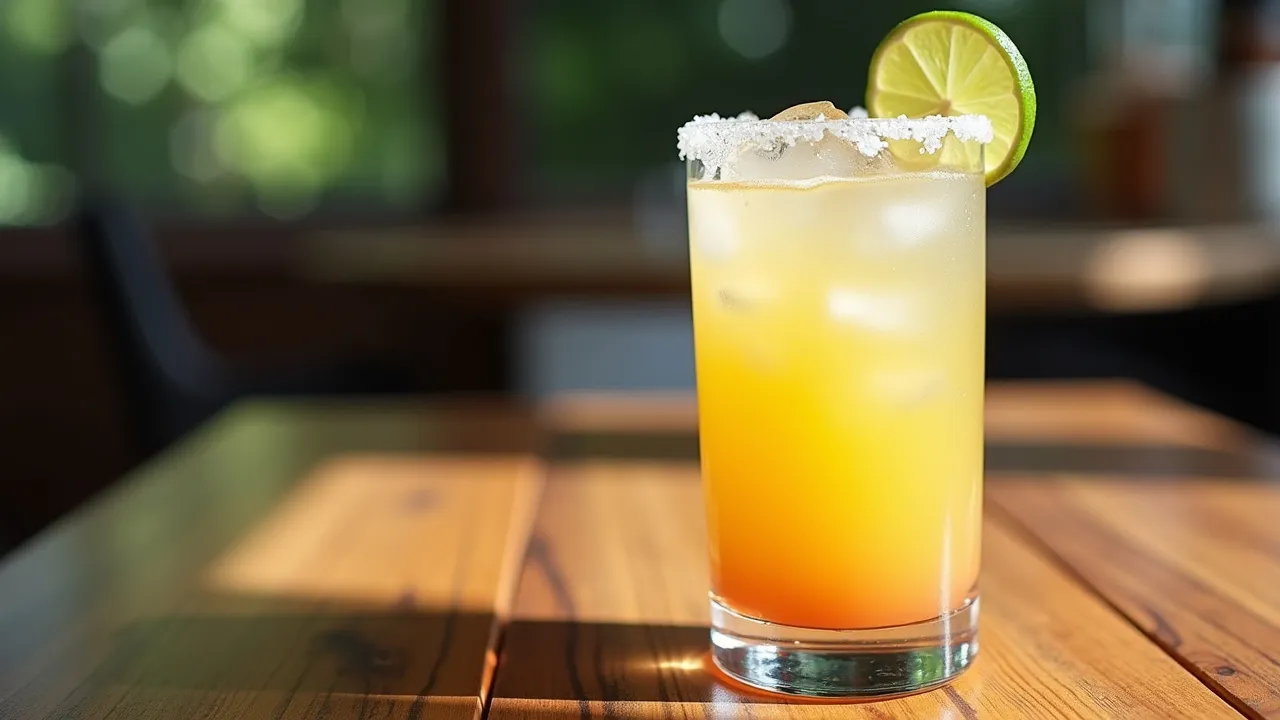
National Margarita Day, observed on February 22nd, celebrates the iconic cocktail with a rich history and global traditions. Discover its origins, perfect recipes, and festive ways to toast responsibly.
The Historical Origins & Evolutionary Journey
The Foundational Catalyst
The margarita's exact origin is shrouded in legend, with multiple claims tracing back to 1930s Mexico. One popular story credits socialite Margarita Sames, who supposedly concocted the drink for guests in Acapulco in 1948. Another attributes it to bartender Danny Herrera at Rancho La Gloria in Tijuana, who created it for a customer allergic to all spirits except tequila. A third claim involves Dallas socialite Margaret Sames. Despite disputes, the margarita gained fame in the United States during the 1940s and 1950s, becoming a staple at Tex-Mex restaurants.
The Legislative/Official Adoption
National Margarita Day was officially created in 2000 by the Margarita Day Organization, a marketing initiative aimed at promoting the cocktail and its cultural significance. The date February 22 was chosen deliberately to fall during National Margarita Month and to align with the peak of winter escapism, encouraging people to indulge in a refreshing drink. No legislative action was required; the day evolved through commercial and social adoption.
Modern Global Legacy
Today, National Margarita Day is celebrated worldwide, with bars, restaurants, and home enthusiasts offering specials and creative variations. The cocktail itself has evolved from the classic lime margarita to countless flavor innovations, including mango, jalapeño, and frozen blends. The day also serves as a reminder of responsible drinking, with many campaigns highlighting moderation and designated drivers.
How to Celebrate National Margarita Day
Individual Celebrations
- Mix at home: Master the classic recipe: 2 oz tequila, 1 oz lime juice, 1 oz orange liqueur, shaken with ice, served in a salt-rimmed glass.
- Host a tasting party: Offer different tequila types (blanco, reposado, añejo) and compare flavor profiles.
- Explore variations: Try spicy jalapeño, tropical mango, or smoky mezcal margaritas.
Social & Corporate Rituals
- Attend bar specials: Many establishments offer discounted margaritas; support local businesses.
- Virtual toast: Schedule a video call with friends to mix and sip together.
- Charity tie-ins: Some bars donate a portion of proceeds to alcohol education or responsible drinking causes.
Global Celebration Differences
In Mexico, the day is often marked with authentic tequila tastings and traditional music. In the United States, large-scale events and social media campaigns dominate. European countries like the UK and Germany host cocktail-themed parties, while Asian markets increasingly adopt the trend through fusion margaritas using local ingredients like yuzu or lychee.
Cultural Impact & Industry Transformation
The margarita has transcended its cocktail status to become a cultural icon. It is the most ordered cocktail in American bars, according to market research, and has spawned an entire industry of pre-mixed products, glassware, and accessories. National Margarita Day drives significant revenue for tequila producers, with sales spikes reported on February 22. The day also influences recipe innovation, as bartenders compete to create the most Instagrammable margarita.
Moreover, the margarita symbolizes relaxation and leisure, often associated with sunny vacations and social gatherings. Its popularity has contributed to the global rise of craft tequila and premium agave spirits, encouraging sustainable farming practices in Mexico's Jalisco region.
Health, Safety & Responsible Drinking
Nutritional Considerations
A standard margarita contains around 200-300 calories, primarily from alcohol and sugar. To reduce calorie intake, opt for a skinny margarita made with fresh lime juice and agave syrup.
Responsible Celebration Tips
- Stay hydrated: Drink water between margaritas.
- Know your limit: Standard drink = 1.5 oz tequila; avoid exceeding 2-3 drinks.
- Plan transportation: Use designated drivers or rideshares.
Many organizations use National Margarita Day to promote responsible drinking. The National Highway Traffic Safety Administration often partners with bars to offer free non-alcoholic alternatives.
Global Regional Variations & Dates
While National Margarita Day is primarily observed on February 22 in the United States and many other countries, some regions celebrate on different dates. For instance, Canada sometimes recognizes it on the same day, but local events may vary. In Mexico, the closest equivalent is Día Nacional del Tequila (National Tequila Day) on July 24, which also honors the spirit behind the margarita. The United Kingdom has seen a rise in independent margarita-themed events, often aligning with US date due to social media influence. It is important to check local event calendars for accurate dates.
Cocktail Recipe Innovations & Trends
Classic Reinvented
Bartenders continue to push boundaries with unexpected ingredients. Popular trends include:
- Craft tequila focus: Small-batch, single-estate tequilas.
- Exotic fruits: Passion fruit, guava, dragon fruit.
- Smoky elements: Mezcal-based margaritas with chipotle rim.
- Low-ABV options: Margarita spritzers with soda water.
DIY Mixology Kits
Retailers now offer premium margarita kits with flavored salts, bitters, and recipe cards. These kits make celebration accessible to everyone, regardless of bartending skill.
Historical Timeline
Multiple origin stories emerge for the margarita cocktail in Mexico and the United States.
Margarita Sames reportedly creates the drink for friends in Acapulco, popularizing it among American socialites.
The margarita is featured in 'Esquire' magazine, boosting its national recognition.
Frozen margarita machines are invented by Mariano Martinez in Dallas, Texas, revolutionizing mass production.
National Margarita Day is officially founded on February 22 by the Margarita Day Organization.
Premium tequila brands embrace the day, launching limited-edition releases and marketing campaigns.
Social media hashtag #NationalMargaritaDay trends globally, with millions of posts.
Virtual celebrations surge during the pandemic; bars offer take-home margarita kits.
National Margarita Day is celebrated in over 30 countries, with sustainability-focused events promoting organic agave spirits.