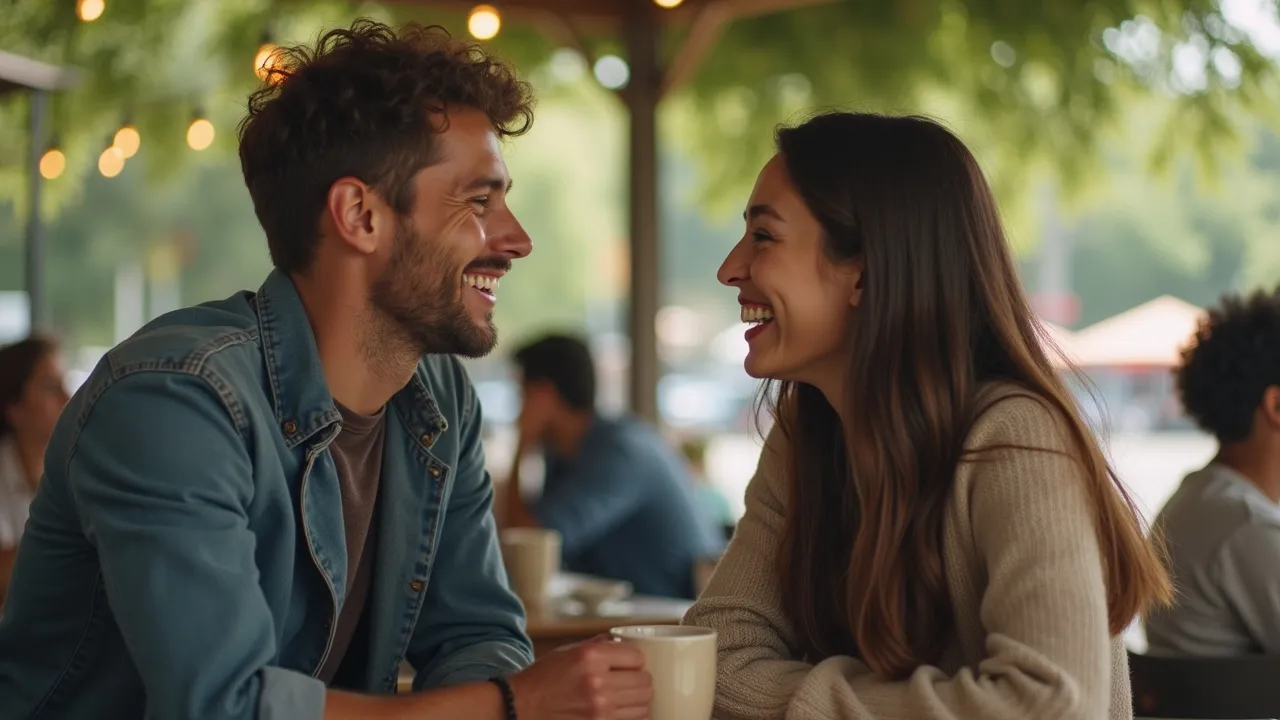
National Make a Friend Day on February 11th encourages people to step out of their comfort zones and forge new connections. This day celebrates the power of friendship and the simple act of reaching out.
The Historical Origins & Evolutionary Journey
National Make a Friend Day, observed annually on February 11th, emerged from a collective grassroots desire to combat social isolation and promote human connection. While its exact origins remain somewhat obscure, the day gained traction in the early 2000s through social media campaigns and community initiatives. Unlike many national observances, it was not established by a single person or organization but rather grew organically as a response to the increasing loneliness of modern life.
The Foundational Catalyst
The catalyst for National Make a Friend Day can be traced to research highlighting the loneliness epidemic. In the late 1990s, studies showed that nearly 40% of Americans reported feeling lonely, a number that has since climbed. As digital communication replaced face-to-face interactions, people began seeking structured opportunities to connect. The day was first promoted by friendship-focused websites and community groups who encouraged individuals to make at least one new acquaintance on February 11th.
The Adoption and Growth
By the mid-2000s, the day had spread across schools, workplaces, and social clubs. In 2007, several municipalities officially recognized February 11th as a day to foster friendships. The date was chosen to fall after the holiday season's social demands and before Valentine's Day, creating a window dedicated purely to platonic bonds. Social media hashtags like #MakeAFriendDay and #NationalMakeAFriendDay helped accelerate its global reach.
Modern Global Legacy
Today, National Make a Friend Day is celebrated in over 50 countries. It has inspired numerous offline and online events, from speed-friending sessions to friendship workshops. The day also sees corporate participation, with companies hosting networking mixers and team-building activities aimed at deepening interpersonal relationships. Its legacy is one of intentional connection—a reminder that friendship requires effort and vulnerability.
How to Celebrate National Make a Friend Day
Celebrating National Make a Friend Day involves proactive steps to build new relationships and strengthen existing ones. Here are comprehensive strategies for individuals, schools, and organizations, along with international customs.
For Individuals
- Start a conversation: Approach someone you don't know at a coffee shop, library, or gym. Use open-ended questions like 'What book are you reading?'
- Join a group activity: Attend a local meetup, hobby class, or sports team. Websites like Meetup.com list hundreds of events.
- Reach out to old acquaintances: Send a text or email to someone you haven't spoken to in a while. Suggest a coffee date.
- Volunteer: Volunteering at animal shelters, food banks, or community gardens connects you with like-minded people.
- Use friendship apps: Apps like Bumble BFF or Friended are designed specifically for making platonic friends.
For Schools
- Friendship day activities: Pair students for a 'get to know you' interview, then have them share fun facts about each other.
- Buddy system: Create a rotating buddy program where students sit with different classmates each week.
- Kindness projects: Have students write notes of appreciation to classmates they don't know well.
For Organizations
- Host a mixer: Arrange a speed-friending event during lunch or after work, with icebreaker questions.
- Team-building exercises: Organize collaborative challenges that require communication and trust.
- Encourage cross-departmental interactions: Set up a 'lunch lottery' where employees from different teams eat together.
Global Celebrations
In Japan, the day is often celebrated with 'omiyage' (souvenir) exchanges between colleagues. In Brazil, people gather in public squares to play music and dance together. Scandinavian countries emphasize 'fika'—a coffee break with conversation. Many cultures incorporate gifts like friendship bracelets or small tokens of appreciation.
The Psychology of Friendship: Why It Matters
Friendship is not just a social luxury; it is a fundamental human need with profound psychological and physiological benefits. Research from Harvard University's Study of Adult Development, which tracked men for over 80 years, found that the quality of relationships is the single most important predictor of happiness and health.
Health Benefits
- Reduced stress: Strong friendships lower cortisol levels and reduce the risk of chronic disease.
- Longer life: A meta-analysis of 148 studies found that people with robust social connections have a 50% greater survival rate.
- Mental health: Friends help combat depression, anxiety, and loneliness. They provide a buffer against life's hardships.
Social Skills Development
Making friends requires empathy, active listening, and vulnerability. These skills are learned and practiced, making each new friendship a growth opportunity. For children, friendship-building is crucial for emotional regulation and academic success.
Neurochemistry of Connection
When we bond with a friend, the brain releases oxytocin, dopamine, and serotonin—neurochemicals that promote trust, pleasure, and well-being. This biological reward system reinforces the behavior, encouraging us to seek more social interactions.
Friendship Across Cultures: Diverse Traditions
Friendship is a universal concept, but its expression varies widely across cultures. Understanding these differences enriches our appreciation of human connection.
Eastern vs. Western Perspectives
In many Western cultures, friendship is often based on shared interests and activities, and can be formed quickly. In contrast, Eastern cultures like Japan and China view friendship as a long-term commitment that develops slowly through mutual obligations. The Chinese concept of guanxi emphasizes reciprocal favors and loyalty.
Rituals of Friendship
- Native American traditions: Some tribes have a 'friendship ceremony' involving exchanging gifts and a vow of lifelong alliance.
- African customs: In many African societies, friendship is formalized through 'blood brotherhood' rituals or by sharing meals from the same plate.
- Middle Eastern hospitality: In Arab cultures, offering coffee or tea to a guest signifies the start of a friendship.
Global Friendship Days
While National Make a Friend Day is on February 11th, many countries have their own friendship observances. International Friendship Day is celebrated on July 30th by the United Nations, and in some countries like India, the first Sunday of August is dedicated to friends.
The Role of Technology in Modern Friendship
Technology has transformed how we make and maintain friends. From social media to dedicated friendship apps, digital tools offer new pathways but also present challenges.
Online Platforms for Making Friends
- Social media groups: Facebook and Reddit host communities around every hobby imaginable, allowing users to connect with like-minded people.
- Friendship apps: Bumble BFF, Patook, and Friended use compatibility algorithms to pair potential friends.
- Gaming communities: Online multiplayer games like 'World of Warcraft' or 'Among Us' foster deep bonds among players.
The Paradox of Digital Connection
While technology expands our reach, it can also dilute the quality of interactions. Studies show that excessive social media use correlates with loneliness. The key is to use digital tools as a gateway to offline meetings, not a substitute. Tips for healthy tech-mediated friendships include setting screen time limits, prioritizing video calls over text, and scheduling in-person meetups.
Challenges and Solutions in Making Friends
For many, making friends is not easy. Social anxiety, shyness, and life transitions can create barriers. National Make a Friend Day is the perfect opportunity to overcome these obstacles.
Common Challenges
Social anxiety: Fear of judgment or rejection can prevent initiation.
Time constraints: Busy schedules leave little room for socializing.
Life stages: Moving to a new city, starting a new job, or entering retirement can disrupt existing social circles.
Practical Solutions
Start small: Smile and make eye contact. A simple 'hello' can lead to conversation.
Use the 'rejection therapy' technique: Deliberately seek small rejections (like asking for a pen) to desensitize yourself.
Focus on common interests: Join clubs or groups where conversation starts naturally around a shared activity.
Be consistent: Friendship requires repeated interactions. Attend the same class or event regularly.
Practice vulnerability: Share something personal. This invites others to open up.
The Future of Friendship: Trends and Predictions
As society evolves, so does the nature of friendship. Looking ahead, several trends are shaping how we connect.
Virtual Reality Friendships
VR platforms like VRChat and Meta's Horizon Worlds allow people to interact in immersive digital spaces. These environments can feel surprisingly real, enabling deep connections across distances.
AI-Assisted Friendship
Artificial intelligence is being used to facilitate human friendships. Apps like 'Replika' offer AI companions, but there is also potential for AI to match people based on nuanced personality traits. Ethical questions remain about authenticity.
The Rise of Intentional Communities
More people are choosing co-living spaces, communal housing, and intentional neighborhoods designed to foster close-knit communities. This trend reverses the isolation of suburban living.
In conclusion, National Make a Friend Day is not just a date on the calendar; it is a call to action. By making a single new friend on February 11th, we contribute to a happier, healthier world.
Historical Timeline
First documented suggestion of a 'Make a Friend Day' on a small online forum, urging people to reach out to new people.
The day gains traction on early social media platforms like MySpace and Friendster, with users sharing stories of new friendships formed on February 11th.
Several U.S. cities, including Portland and Austin, issue proclamations recognizing National Make a Friend Day as a community event.
A nonprofit organization, 'Friendship Works', launches a national campaign with a website offering resources and event ideas for the day.
National Make a Friend Day becomes a trending topic on Twitter, with over 1 million tweets using the hashtag #MakeAFriendDay.
Amid the COVID-19 pandemic, the day focuses on virtual connections, with online speed-friending events and video chat meetups.
Over 50 countries now observe National Make a Friend Day, with major brands like Starbucks offering 'buy one, get one free' drinks to encourage friend-making.