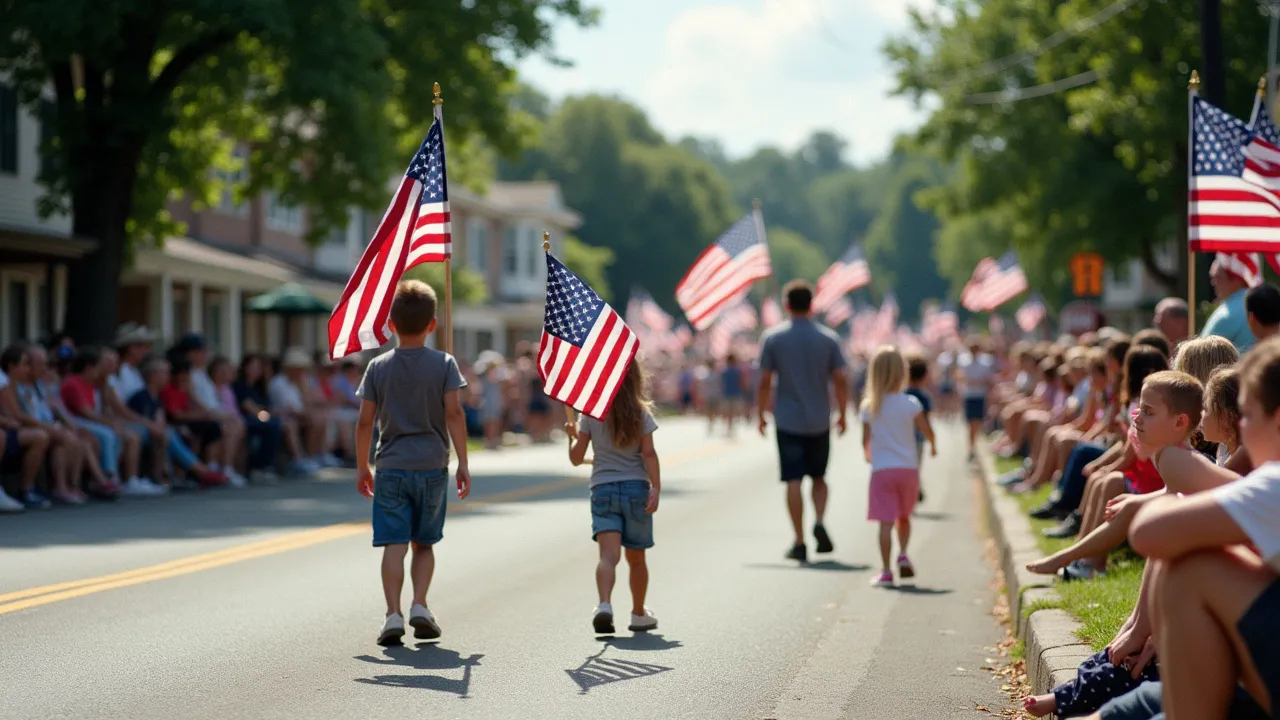
National Loyalty Day, observed on May 1st, is a U.S. day of patriotic observance established in 1958 to reaffirm loyalty to the nation and its heritage. It contrasts with International Workers' Day and emphasizes civic pride and unity.
The Historical Origins & Evolutionary Journey
National Loyalty Day has its roots in the early Cold War era, when patriotism and national unity were seen as vital counterweights to the spread of communism. The day was officially created as a response to the growing influence of International Workers' Day, which on May 1st was widely celebrated by labor movements and socialist states.
The Cold War Catalyst
In the 1950s, the United States faced ideological competition from the Soviet Union. Communist parades on May Day across the Eastern Bloc prompted American lawmakers to propose a rival observance. The American Legion and other veterans' organizations lobbied for a day dedicated to loyalty and national pride. Under President Dwight D. Eisenhower, the U.S. Congress passed a joint resolution (Public Law 85-529) on July 18, 1958, designating May 1st as National Loyalty Day. The law encouraged Americans to display the flag, hold ceremonies, and reaffirm their commitment to the country.
Legislative Adoption and Official Proclamations
Since 1958, each president has issued a proclamation calling for observance. The day was initially part of a broader campaign to promote anti-communist sentiments and American values. Over time, it evolved into a more inclusive celebration of national unity, civic responsibility, and respect for the Constitution. Key elements of the proclamation include:
- Encouraging the display of the American flag outside homes and businesses.
- Organizing community events, parades, and educational programs.
- Observing a moment of reflection on the principles of liberty and justice.
Modern Global Legacy
Today, National Loyalty Day is less widely observed than in its early years, but it remains a legal holiday in the United States. It serves as a reminder of the nation's founding ideals and the importance of civic engagement. While May 1st is predominantly associated with Labor Day in many countries, the U.S. observance of Loyalty Day provides an alternative narrative centered on patriotism and loyalty rather than labor rights. Some communities still hold flag-raising ceremonies and school assemblies to teach students about the day's significance.
How to Celebrate National Loyalty Day
Celebrating National Loyalty Day can be a meaningful way to express patriotism and reinforce communal bonds. Below are actionable strategies for individuals, schools, and organizations to observe the day effectively.
For Individuals
- Display the American flag at your home or workplace. Ensure proper flag etiquette: raise it briskly at sunrise and lower it at sunset.
- Read the Declaration of Independence or the U.S. Constitution aloud with family or friends.
- Volunteer for a community service project such as cleaning a park or helping veterans.
- Attend a local parade or ceremony organized by veteran associations or civic groups.
For Schools
- Host a loyalty-themed essay contest for students on the meaning of patriotism.
- Organize a flag-raising ceremony with the Pledge of Allegiance and a message from a local veteran.
- Incorporate lessons on U.S. history focusing on the Cold War era and the purpose of Loyalty Day.
For Corporations and Organizations
- Encourage employees to wear red, white, and blue and hold a small celebration with patriotic decorations.
- Sponsor a community awareness campaign about the day's importance through newsletters or social media.
- Provide paid time off for volunteering in service projects that benefit the community.
Internationally, the day is not widely observed, but U.S. embassies and military bases abroad may hold small ceremonies. For expatriates, gathering with fellow Americans can create a sense of home.
National Loyalty Day vs. International Workers' Day
May 1st is a date shared by two very different observances: National Loyalty Day in the United States and International Workers' Day (also known as Labor Day) in many other countries. Understanding this juxtaposition is key to the day's meaning.
Origins of the Conflict
International Workers' Day commemorates the 1886 Haymarket Affair in Chicago, a labor protest that turned violent. It became a symbol of workers' rights and socialist movements worldwide. During the Cold War, the Soviet Union and communist states used May Day for massive military parades, showcasing their ideology. In response, the U.S. Congress designated May 1st as Loyalty Day to promote American values and counteract communist propaganda.
Contrasting Themes
While International Workers' Day emphasizes class struggle and labor solidarity, Loyalty Day focuses on national unity, loyalty to the Constitution, and the American way of life. The two observances reflect fundamentally different worldviews. For Americans, celebrating Loyalty Day is a way to reject the socialist connotations of May 1st and affirm a patriotic identity.
In practice, most Americans are unaware of Loyalty Day, and many businesses and schools do not observe it. However, it remains a legal holiday, and some patriotic organizations actively promote it to counter the global dominance of May Day celebrations.
Symbolism and Traditions of National Loyalty Day
The symbolic elements of National Loyalty Day are deeply rooted in American patriotic iconography. The day's traditions are designed to inspire a sense of belonging and reverence for the nation's heritage.
The American Flag
Displaying the flag is the most visible tradition. According to the 1958 law, citizens are encouraged to fly the flag prominently. The proper display includes using a US-made flag, ensuring it is in good condition, and illuminating it at night. Flag-folding ceremonies and reciting the Pledge of Allegiance are common in schools.
Ceremonies and Parades
Local communities often organize parades with veterans, marching bands, and floats. Wreath-laying at war memorials, gun salutes, and singing of patriotic songs like the Star-Spangled Banner are typical. These events foster intergenerational bonding and respect for the military.
Educational Programs
Schools may hold assemblies where students learn about the Bill of Rights, the concept of loyalty, and the sacrifices of service members. Some districts incorporate civics lessons that highlight the responsibilities of citizenship. Libraries may host exhibits on Cold War history and the day's creation.
Educational and Civic Engagement Impact
National Loyalty Day serves as a platform for civic education and community involvement. Its impact extends beyond a single day, influencing how schools and organizations approach patriotism.
Fostering Civic Literacy
Teachers use the day to discuss the meaning of loyalty—not blind allegiance but thoughtful commitment to democratic principles. Students examine historical documents and debate the balance between loyalty and dissent. Critical thinking about what it means to be a loyal citizen is encouraged.
Volunteerism and Community Service
Many communities tie Loyalty Day to service projects. Organizing cleanups, food drives, or visits to veterans' homes reinforces the idea that patriotic action includes helping others. This aligns with the broader concept of civic virtue and strengthens social bonds.
Interfaith and Multicultural Dimensions
While National Loyalty Day has a specific American context, it also incorporates themes of unity in diversity. Some interfaith groups hold dialogues on loyalty to one's country while respecting different backgrounds. This promotes inclusive patriotism that resonates across ethnic and religious lines.
National Loyalty Day in the 21st Century
In recent decades, the observance of National Loyalty Day has waned, but it still holds significance for certain groups. Its continued relevance is debated, with some seeing it as an anachronism and others as a necessary tradition.
Contemporary Observance
Today, National Loyalty Day is primarily celebrated by veteran organizations, patriotic societies like the Sons of the American Revolution, and some churches. Social media campaigns using the hashtag #NationalLoyaltyDay attempt to revive interest, but mainstream awareness remains low. The day competes with other May 1st events such as May Day rallies and spring festivals.
Criticism and Controversy
Critics argue that National Loyalty Day is a reactionary relic of anti-communist hysteria and that true loyalty should not require a designated day. Some see it as an attempt to suppress dissent by promoting uncritical patriotism. Supporters counter that it provides a positive alternative to May Day and reinforces the value of unity in a diverse society.
Potential Revitalization
There are calls to rebrand Loyalty Day as a celebration of civic engagement rather than anti-communism. By emphasizing volunteerism, environmental stewardship, and democratic participation, the day could gain broader appeal. Some suggest merging it with other observances like National Day of Prayer or Citizenship Day to create a more comprehensive commemoration.
Historical Timeline
U.S. Congress passes Public Law 85-529, designating May 1st as National Loyalty Day. President Dwight D. Eisenhower signs it into law on July 18.
First official observance of National Loyalty Day with presidentially proclaimed ceremonies and flag displays across the country.
During the Vietnam War, National Loyalty Day is promoted as a counter to anti-war protests and communist May Day parades, but participation declines.
President George W. Bush issues proclamation emphasizing loyalty after the September 11 attacks, linking to national unity and security.
On the 60th anniversary, President Donald Trump's proclamation highlights military service and constitutional values.
Current observance continues with local events; online discussions debate the day's relevance in modern America.