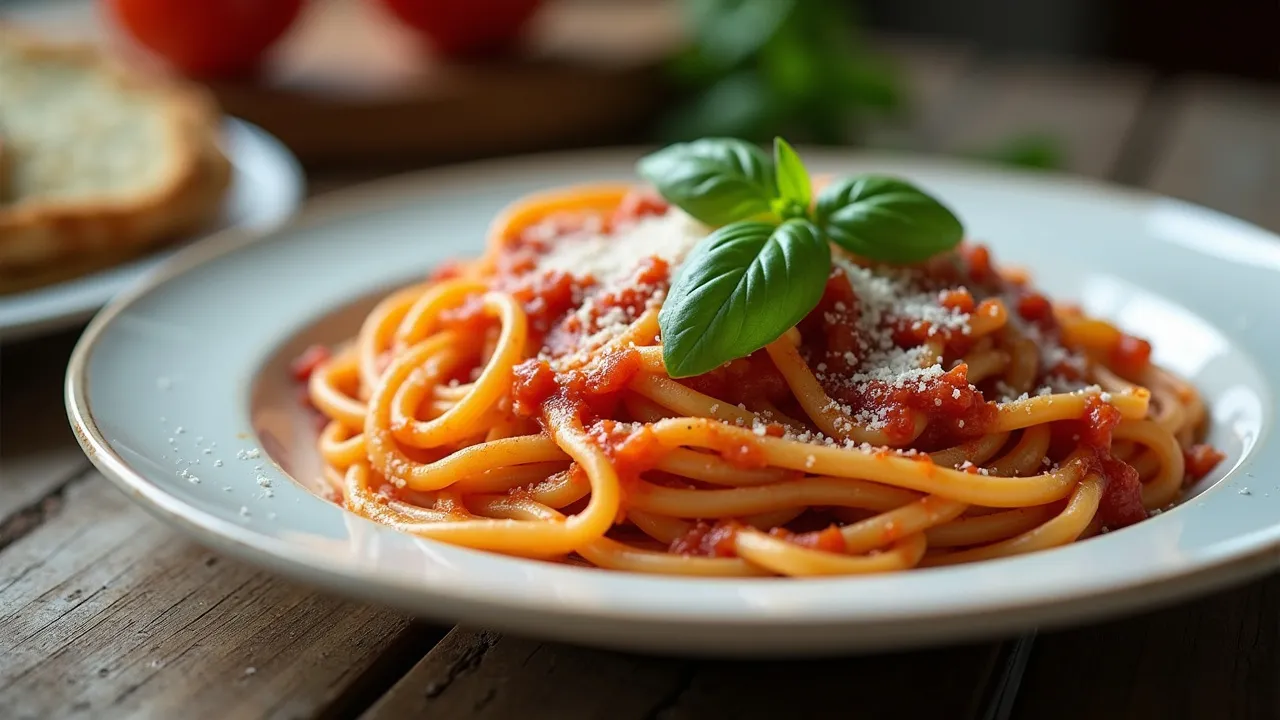
National Linguine Day on September 15th celebrates one of Italy's most beloved pasta shapes. Learn about its origins, cooking tips, and how to join the festivities worldwide.
The Historical Origins & Evolutionary Journey
National Linguine Day, observed annually on September 15th, is a tribute to one of the most versatile and beloved pasta shapes in Italian cuisine. Linguine, meaning "little tongues" in Italian, has a rich history that intertwines with the culinary traditions of the Liguria region, particularly the city of Genoa. This section delves into the pasta's journey from ancient kitchens to modern celebrations.
The Foundational Catalyst: The Birth of Linguine
Linguine is a flat, narrow pasta similar to fettuccine but slightly thinner. Its origins date back to the 19th century in the coastal regions of northwestern Italy. The pasta was likely created by local artisans who sought a shape that could hold both light oil-based sauces and richer cream-based ones. Traditional linguine is made from durum wheat semolina and water, extruded through bronze dies to achieve a porous texture that captures sauce. The first documented recipe for linguine appeared in Giovanni Battista Gherardini's 1786 cookbook, where it was described as a "long, thin noodle."
The Legislative/Official Adoption
The establishment of National Linguine Day as an official observance is less documented. Unlike some food holidays created by industry groups, National Linguine Day appears to have emerged organically from food blogs, social media campaigns, and pasta aficionados. It gained popularity in the early 2000s, with websites like National Day Calendar listing it without a specific founder. The day was likely chosen for September 15th to coincide with the harvest season of tomatoes and basil, key ingredients for classic linguine dishes such as linguine al pesto.
Modern Global Legacy
Today, National Linguine Day is celebrated across the United States and in parts of Europe. Restaurants offer special menus, home cooks experiment with new sauces, and pasta companies launch promotions. The day has also become an opportunity to educate about Italian culinary heritage, with cooking classes and online tutorials focusing on proper techniques for cooking al dente linguine. Social media hashtags like #NationalLinguineDay and #LinguineLove trend annually, drawing millions of posts.
How to Celebrate National Linguine Day
National Linguine Day offers endless possibilities for pasta lovers. Whether you are a home cook, a professional chef, or simply a food enthusiast, this day is about embracing the joy of linguine in all its forms. Below are comprehensive strategies for celebrating individually, with family, or within your community.
Individual Celebrations
- Cook a Classic Recipe: Try your hand at authentic linguine al pesto from Genoa, using fresh basil, pine nuts, parmesan, and olive oil. Pair with a crisp white wine.
- Host a Pasta Tasting: Cook three different types of linguine (white, whole wheat, and gluten-free) and compare textures and flavors with friends.
- Share on Social Media: Post a photo of your linguine dish with the hashtag #NationalLinguineDay and tag your favorite pasta brand.
Community & School Celebrations
- Pasta-Making Workshop: Organize a class where participants make fresh linguine from scratch. Use bronze-die extruders for authenticity.
- Italian Food Night: Partner with a local Italian restaurant to offer a special linguine menu, with proceeds donated to charity.
- Pasta Art Contest: For children, create art using dried linguine pieces, then award prizes for most creative design.
Corporate & Organizational Observances
Many pasta companies celebrate by launching limited-edition linguine shapes or partnering with influencers for cooking demonstrations. For example, the company Barilla often runs a social media campaign offering discounts on linguine purchases. Restaurants can create a special dish, like linguine with seafood in a lemon butter sauce, and feature it as the day's special.
Cultural Impact and Global Traditions
Linguine has transcended its Italian origins to become a global staple. In this section, we explore how different cultures have adopted and adapted linguine into their own cuisines.
Italian Heritage
In Italy, linguine is most famously paired with pesto alla Genovese, a sauce made from basil, garlic, pine nuts, parmesan, and olive oil. This combination is a symbol of Ligurian cuisine. Other traditional pairings include seafood sauces, such as linguine alle vongole (with clams) or linguine with shrimp and zucchini.
American Adaptations
In the United States, linguine has become a canvas for fusion dishes. Common American preparations include linguine with meatballs, Alfredo sauce, or as a base for casseroles. The pasta's flat shape makes it ideal for baking, such as in linguine timbale.
Asian Influences
Some chefs in Asia have incorporated linguine into stir-fries, using soy sauce, ginger, and sesame oil. In Japan, linguine is sometimes served with mentaiko (spiced cod roe) and butter, creating a unique umami-packed dish.
Nutritional Profile and Dietary Considerations
Linguine is not only delicious but can also be part of a balanced diet. Understanding its nutritional content helps consumers make informed choices.
Standard Linguine Nutrition
One serving (2 oz dry) of traditional semolina linguine contains approximately 200 calories, 7g protein, 42g carbohydrates, and 1g fat. It is low in sodium and provides iron and B vitamins. For a healthier option, whole wheat linguine offers more fiber and nutrients, with 6g fiber per serving.
Gluten-Free and Alternative Options
Those with gluten intolerance can enjoy linguine made from rice, corn, quinoa, or legumes. Legume-based linguine (e.g., from chickpeas or lentils) is high in protein and fiber. When cooking gluten-free linguine, be careful not to overcook, as it can become mushy.
Cooking Tips for Best Nutrition
- Al Dente: Cook linguine until firm to the bite for a lower glycemic index.
- Portion Control: Stick to a 1-cup cooked serving to manage calorie intake.
- Pair with Vegetables: Boost nutrients by adding sautéed spinach, broccoli, or cherry tomatoes to your dish.
Economic Impact of the Pasta Industry
The pasta industry plays a significant role in the global economy, and linguine is a key player. This section examines market trends and economic contributions.
Global Pasta Market
The global pasta market was valued at over $35 billion in 2023, with Italian pasta leading in exports. Linguine accounts for approximately 10% of total pasta sales, with premium brands seeing growth as consumers seek higher-quality products. The United States imports over 2 million tons of pasta annually, with Italy being the largest supplier.
Employment and Agriculture
Durum wheat farming supports thousands of jobs in Italy, Canada, and the US. Pasta manufacturing facilities employ skilled workers, and the supply chain includes packaging, distribution, and retail. National food days like National Linguine Day boost sales by 15-20% in the week leading up to the observance.
Linguine Variations and Regional Styles
While linguine is a specific shape, it has inspired several variations across Italy and beyond. Understanding these differences enriches the celebration.
Linguine vs. Fettuccine vs. Tagliatelle
- Linguine: Flat and narrow (about 3-4mm wide), often square-edged. Ideal with pesto and light sauces.
- Fettuccine: Slightly wider and thicker (6-8mm), usually made with egg. Pairs with heavy cream sauces.
- Tagliatelle: Long, flat ribbons (6-10mm), often fresh. Classic with Bolognese sauce.
Regional Interpretations
In the United States, linguine is sometimes sold as "linguine fini" (very thin) or "linguine larghe" (wide). Some artisan producers make flavored linguine, such as squid ink (black linguine) for dramatic presentation.
Historical Timeline
First known recipe for linguine appears in Giovanni Battista Gherardini's cookbook, describing it as a long, thin noodle.
Linguine becomes popular in Genoa, often paired with the newly documented pesto sauce.
Post-war immigration brings linguine to the United States, where Italian-American communities popularize it.
National Linguine Day is informally celebrated on social media and food blogs, though no official founding is recorded.
National Day Calendar lists National Linguine Day on September 15th, bringing wider recognition.
During the pandemic, National Linguine Day sees a surge in home cooking, with sales of linguine rising 30% compared to previous years.