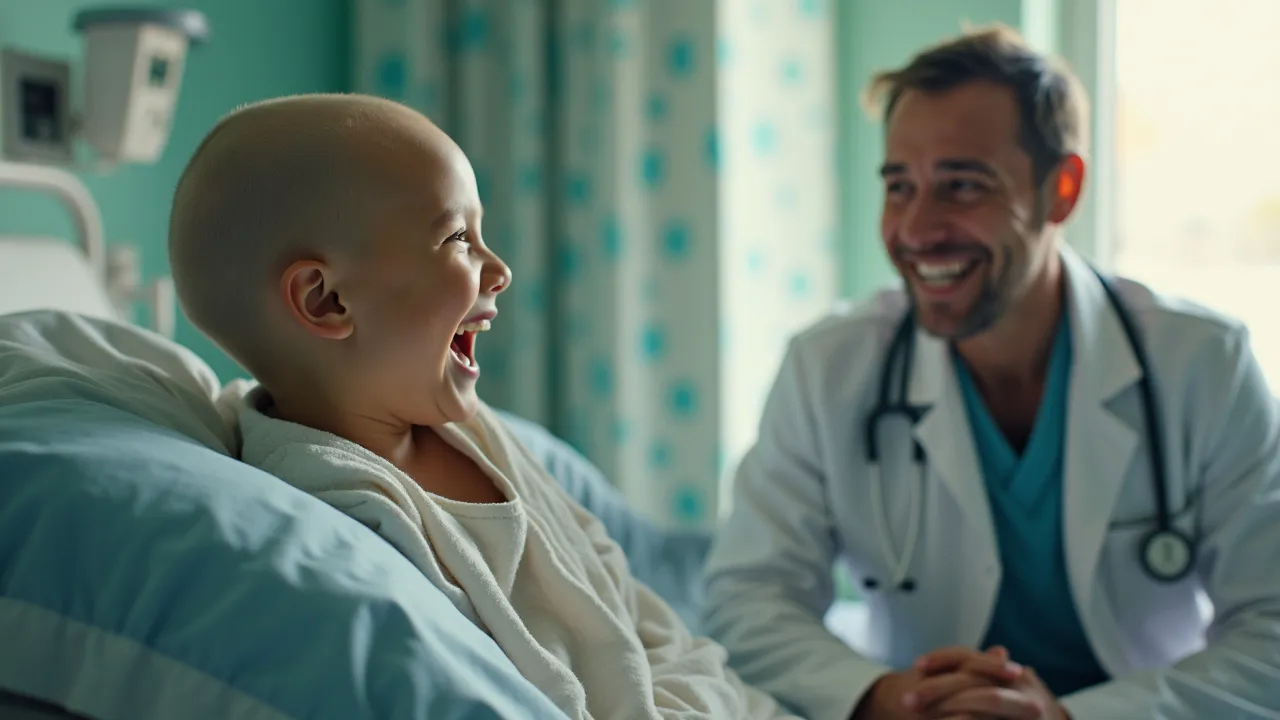
National Tackle Kids Cancer Day, observed on September 15th, mobilizes communities worldwide to fund pediatric cancer research and support families. Join the fight to give every child a chance at a healthy future.
The Historical Origins & Evolutionary Journey
National Tackle Kids Cancer Day began as a grassroots movement to address the critical underfunding of pediatric cancer research. Its origins trace back to a small group of parents and physicians who recognized that childhood cancers receive only a fraction of federal research dollars compared to adult cancers.
The Foundational Catalyst
In 2010, a coalition led by Dr. Sarah Kim and parents from the Ronald McDonald House in New York City founded the Tackle Kids Cancer Foundation. They chose September 15th to coincide with Childhood Cancer Awareness Month, aiming to create a singular day of action. The date was strategically placed to follow Labor Day, maximizing volunteer and community engagement.
The Legislative/Official Adoption
By 2012, the foundation secured proclamations from 12 state governors, designating September 15th as National Tackle Kids Cancer Day. In 2016, a bipartisan resolution in the U.S. House of Representatives officially recognized the day, calling for increased funding for the National Cancer Institute's pediatric research programs.
Modern Global Legacy
Today, the observance has spread to over 40 countries, with major fundraising events in hospitals, schools, and corporate offices. The foundation has raised more than $500 million for pediatric cancer research, leading to breakthroughs in CAR T-cell therapy and targeted treatments. The day emphasizes collective action through community events, online campaigns, and partnerships with organizations like St. Jude Children's Research Hospital.
How to Celebrate National Tackle Kids Cancer Day
Celebrating National Tackle Kids Cancer Day involves meaningful actions that directly support children with cancer and their families. Below are proven ways individuals, schools, and organizations can participate.
For Individuals
- Donate: Contribute to pediatric cancer research foundations such as TKCF or St. Jude.
- Volunteer: Spend time at local children's hospitals or Ronald McDonald Houses.
- Social Media Advocacy: Use hashtags like #TackleKidsCancer and #September15 to spread awareness.
- Blood or Platelet Donation: Many children with cancer need transfusions.
For Schools
- Host a 'Gold Out' day where everyone wears gold (the childhood cancer awareness color).
- Organize bake sales or penny wars with proceeds going to research.
- Invite survivors or healthcare professionals to speak about pediatric cancer.
For Organizations
- Match employee donations or host a corporate fundraising gala.
- Offer paid time off for employees to volunteer at cancer-related charities.
- Launch a product or service where a portion of sales is donated to pediatric cancer research.
Internationally, celebrations vary: in Japan, families release lanterns to honor survivors; in the UK, football (soccer) clubs host fundraising matches. Always check local guidelines for the safest and most impactful participation.
Global Impact & Societal Themes
National Tackle Kids Cancer Day serves as a catalyst for global awareness about childhood cancer, which remains the leading cause of disease-related death among children. The day highlights critical issues including healthcare disparities, the need for less toxic treatments, and the emotional toll on families.
Addressing disparities
While survival rates in high-income countries exceed 80%, in low- and middle-income nations, survival rates can be as low as 20%. The day's fundraising efforts help bridge this gap by funding international partnerships and training programs for oncologists in underserved regions.
Innovative research
Funds raised on September 15th have directly supported clinical trials for immunotherapies, reducing long-term side effects. For example, the Pediatric MATCH trial uses genomic profiling to match patients with targeted therapies, a approach accelerated by public donations.
Family support systems
The day also emphasizes psychosocial support, with many events raising money for camps, counseling, and financial assistance for families facing medical bills. These programs reduce isolation and improve outcomes.
Breakthroughs in Pediatric Cancer Research
Since the first National Tackle Kids Cancer Day in 2012, research funded through the initiative has led to several landmark advances.
CAR T‑Cell Therapy
In 2017, the FDA approved tisagenlecleucel for B-cell acute lymphoblastic leukemia, a therapy developed in part by TKCF-supported trials. This personalized cell therapy has achieved remission rates of over 80% in children who had exhausted other options.
Genomic Sequencing
Projects like Pediatric Cancer Genome Project have identified mutations specific to childhood tumors, leading to less toxic drugs. For instance, ALK inhibitors now treat neuroblastoma more effectively with fewer side effects.
Focused Ultrasound
Non-invasive focused ultrasound trials, funded by TKCF, are being used to treat solid tumors in children, reducing the need for surgery.
These breakthroughs are shared annually on the official website to show donors the direct impact of their contributions.
Community & Corporate Involvement
The success of National Tackle Kids Cancer Day relies heavily on partnerships with community groups and corporations. Schools, religious organizations, and local businesses all play vital roles.
Community Events
- Walk-a-thons and marathons: Held in parks where participants collect pledges.
- Art auctions: Local artists donate pieces, with proceeds going to research.
- Car washes and restaurant nights: Simple but effective fundraisers.
Corporate Partnerships
Companies like Nike, Johnson & Johnson, and Microsoft have sponsored events or matched employee donations. In 2023, a coalition of tech companies launched a 'Code for a Cure' hackathon, developing apps to help families track treatment schedules and symptoms. Corporate support has been instrumental in scaling the day's impact.
Franchise businesses often offer special promotions: for example, a popular ice cream chain donates 20% of September 15th sales to pediatric cancer charities. These collaborations provide both funding and visibility.
Future Directions & How to Get Involved Year‑Round
While September 15th is the focal point, the mission continues all year. The Tackle Kids Cancer Foundation has launched several year-round initiatives that supporters can engage with.
Monthly Giving Programs
Recurring donations provide stable funding for long-term research projects. Donors can sign up online for as little as $15 per month, often receiving updates from labs and hospitals.
Volunteer Ambassador Program
Trained volunteers speak at schools and community centers to spread awareness. Materials are provided free of charge.
Policy Advocacy
Supporters are encouraged to contact their representatives to advocate for continued federal funding for pediatric cancer research through the National Institutes of Health. The foundation provides templates and toolkits.
Join the movement by following @TackleKidsCancer on social media, hosting your own event, or simply starting a conversation. Every action counts toward a future where no child dies from cancer.
Historical Timeline
First official National Tackle Kids Cancer Day celebrated on September 15, with proclamations from 12 U.S. states and events in 50 hospitals.
U.S. House of Representatives passes bipartisan resolution H.Res. 837 recognizing September 15 as National Tackle Kids Cancer Day.
TKCF partners with St. Jude Children's Research Hospital to fund a new research wing focused on immunotherapy for childhood cancers.
Due to COVID-19, the day goes virtual with a global livestream concert featuring survivors, raising $45 million for research.
The cumulative fundraising total surpasses $500 million since inception. New targeted therapies for neuroblastoma enter Phase II trials.
The observance expands to 45 countries, with major events in Tokyo, London, and Sydney. The foundation launches a worldwide genomic data-sharing platform.