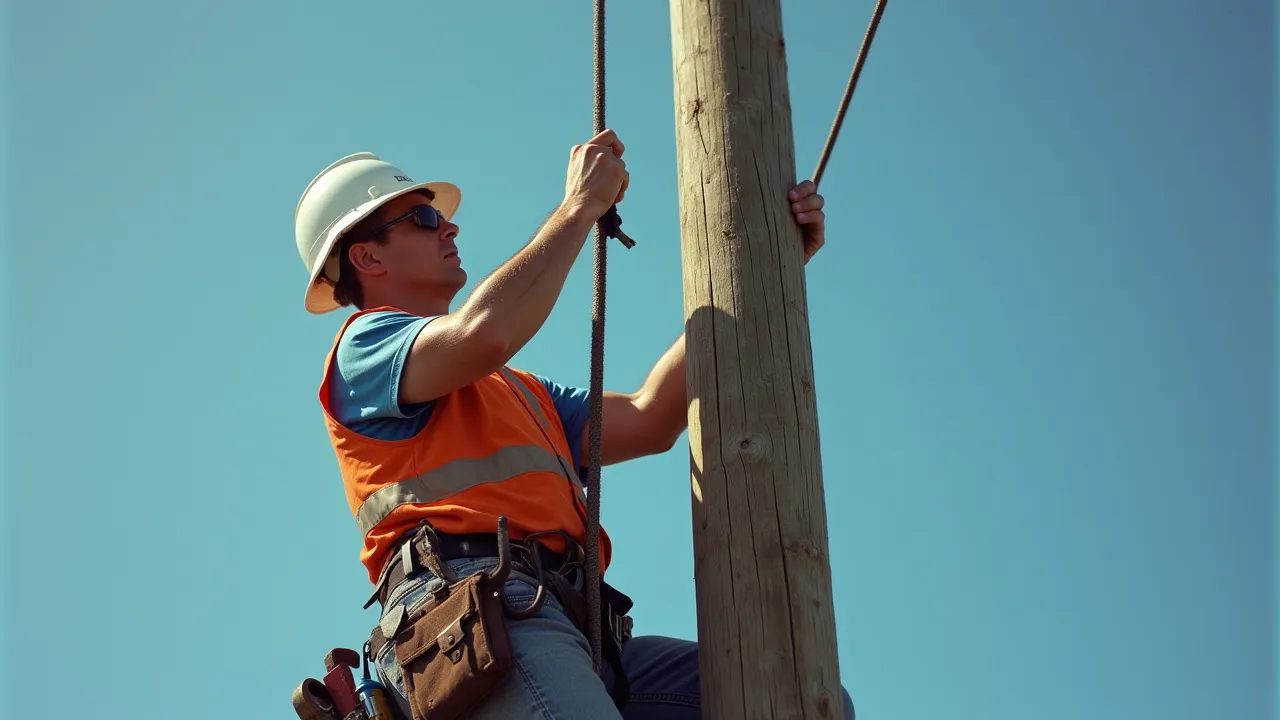
National Lineman Appreciation Day honors the skilled workers who maintain the nation's electrical grid. Observed on April 18th, it recognizes their dedication to keeping power flowing safely.
The Historical Origins & Evolutionary Journey of National Lineman Appreciation Day
The Foundational Catalyst
National Lineman Appreciation Day traces its roots to the early 2010s, when awareness of the critical but often invisible work of electrical linemen surged. The impetus came from a grassroots movement within the International Brotherhood of Electrical Workers (IBEW) and the National Electrical Contractors Association (NECA), who sought a formal day of recognition. In 2013, U.S. Senator Richard Burr of North Carolina introduced Senate Resolution 54, which unanimously passed on April 18, 2013. The resolution officially designated April 18th as National Lineman Appreciation Day, honoring the men and women who build, maintain, and repair the nation's electrical infrastructure.
The Legislative/Official Adoption
Senator Burr's resolution highlighted the dangers linemen face: working in extreme weather, at great heights, often on live wires. It noted that linemen are the first responders of the electrical grid, restoring power after storms, hurricanes, and natural disasters. The bipartisan support reflected widespread public gratitude. Since 2013, the observance has been celebrated annually, with utilities, unions, and communities hosting events, sharing stories, and providing meals to crews. The day also emphasizes safety training and the need for a skilled workforce.
Modern Global Legacy
While National Lineman Appreciation Day is U.S.-specific, similar observances have emerged in other countries, such as Canada's National Lineman Appreciation Day on February 11th. The day has grown beyond social media hashtags to include formal proclamations from governors and mayors, utility company open houses, and scholarship funds for lineman training programs. It serves as a reminder of the vital role linemen play in modern civilization, connecting homes, hospitals, and industry to reliable electricity.
How to Celebrate National Lineman Appreciation Day
Celebrating National Lineman Appreciation Day can take many forms, from personal gestures to corporate events. Here is a definitive guide to honoring the men and women who keep the lights on.
Individual Actions
Say Thank You: If you see a lineman in your neighborhood or at a utility truck, offer a sincere thank you. Post a sign on your lawn or in your window.
Social Media Tributes: Use the hashtag #ThankALineman or #NationalLinemanAppreciationDay. Share photos or stories of linemen you know. Tag your local utility.
Donate Meals: Coordinate with your local electric cooperative or IBEW local to provide lunch or dinner to linemen working in the field. Many utilities welcome home-baked goods or catered meals.
Community and School Events
School Outreach: Invite a lineman to speak at a career day or assembly. Many linemen are happy to show their equipment and talk about safety.
Community Appreciation Events: Organize a picnic, parade, or small ceremony. Present certificates of appreciation from local government.
Safety Demonstrations: Partner with utility companies to host a live safety demonstration for the public, emphasizing how to stay safe around power lines.
Corporate and Utility Observances
Employee Recognition: Utilities can hold special breakfasts, award bonuses, or issue commemorative patches and hats.
Public Awareness Campaigns: Release a video highlighting the work of linemen, feature them on social media, or print news ads.
Training Scholarships: Announce scholarships for lineman training programs at community colleges or trade schools.
The Critical Role of Linemen in Modern Society
What Linemen Do
Linemen are the skilled tradespeople who install, repair, and maintain the electrical power systems that deliver electricity from generating plants to homes and businesses. Their work includes stringing wire, replacing transformers, repairing damaged poles, and restoring power after outages. They work on both overhead and underground systems, often in extreme weather and at heights exceeding 40 feet.
Types of Linemen
- Apprentice Lineman: Trainees learning the trade through on-the-job training and classroom instruction, typically over 4–5 years.
- Journeyman Lineman: Fully qualified workers with experience and certifications, capable of all tasks.
- Master Lineman: Highly experienced specialists who mentor others and handle complex projects.
- Urban vs. Rural Linemen: Urban linemen deal with underground cables and heavy traffic, while rural linemen often travel long distances, working on isolated poles.
Impact on Everyday Life
Without linemen, modern society would grind to a halt. Hospitals rely on uninterrupted power for life-support equipment; businesses need electricity for operations; and homes require power for heating, cooling, and communication. Linemen are also critical during disaster response, rebuilding infrastructure after hurricanes, tornadoes, and wildfires. Their courage and skill are fundamental to the nation's resilience.
Safety Innovations and Training in the Lineman Profession
Historical Hazards
Early linemen worked without modern protective gear, facing dangers like electrocution, falls, and fires. In the early 20th century, deaths were common. This led to the formation of safety standards and unions advocating for better practices.
Modern Safety Measures
- PPE: Flame-resistant clothing, rubber gloves, insulating blankets, hard hats, and safety glasses are mandatory.
- Training Facilities: Dedicated lineman training centers simulate real-world conditions, including pole climbing, bucket truck operation, and rescue procedures. Programs like the NJATC (National Joint Apprenticeship and Training Committee) ensure standardized education.
- Technology: Live-line maintenance techniques, such as hot sticks and robotic arms, allow linemen to work on energized lines safely. Drones are now used for inspection.
Importance of Continuous Learning
Linemen must stay current with evolving grid technologies, including smart meters, microgrids, and renewable energy integration. Many utilities offer annual refresher courses and safety seminars. Apprenticeship programs involve thousands of hours of hands-on training, ensuring that the profession maintains high standards.
Challenges Facing Linemen and the Electrical Grid
Workforce Shortage
The average age of experienced linemen is increasing, and fewer younger workers are entering the trade. Many are retiring, leading to a projected shortage of 20,000 linemen in the U.S. over the next decade. This creates an urgent need for recruitment and training.
Increased Demand and Extreme Weather
Climate change is intensifying storms, causing more frequent and severe power outages. Linemen are often called to work long hours in dangerous conditions. The aging infrastructure also requires significant repairs and upgrades.
Technological Pressure
As the grid modernizes with solar, wind, and battery storage, linemen must learn new skills. Working with microgrids and two-way power flows adds complexity. The transition to electric vehicles also strains distribution systems, requiring additional capacity.
Mental and Physical Health
Linemen face high stress, long shifts, and physical exhaustion. The demanding job can lead to health issues and family strain. Companies are increasingly offering mental health support and wellness programs to address these challenges.
Community Support and How to Get Involved Beyond the Day
Year-Round Appreciation
National Lineman Appreciation Day is a catalyst for ongoing gratitude. Communities can establish "Lineman Heroes" programs that provide meals, gifts, or extra holiday pay. Local businesses can offer discounts to linemen and their families.
Advocacy and Funding
Contact elected officials to support bills that fund lineworker training, improve worker safety, and enhance grid resilience. Encourage local schools to include technical education programs for aspiring linemen.
Volunteer Opportunities
Volunteer with organizations like Lineman's Legacy Fund or Electrical Workers Minority Caucus that support linemen and their families. Attend career fairs to promote the trade to youth.
Personal Connections
If you know a lineman, offer to help with yard work, childcare, or errands during peak storm season. Small gestures strengthen the bonds between the community and those who serve it.
Historical Timeline
Thomas Edison demonstrates the first practical incandescent light bulb, sparking the need for electrical distribution. Early line crews begin stringing wires in major cities.
The first long-distance high-voltage alternating current (AC) power line is installed in Telluride, Colorado, marking the birth of the modern power grid and the lineman profession.
The International Brotherhood of Electrical Workers (IBEW) is founded, providing organization and safety advocacy for linemen and other electrical workers.
Widespread rural electrification leads to a boom in lineman hiring. Bucket trucks and insulated tools become standard, improving safety and efficiency.
Senator Richard Burr introduces Senate Resolution 54, which passes unanimously on April 18, designating April 18th as National Lineman Appreciation Day. First official observance with widespread media coverage and utility events.
Many states issue proclamations recognizing the day. Utilities and IBEW locals host "Linemen Lunches" and safety fairs. Social media campaigns gain traction.
The day is officially recognized by the National Electrical Contractors Association (NECA) and is celebrated globally through digital platforms. Several utility companies establish annual scholarship funds for lineman training.
Despite the pandemic, utilities honor linemen as essential workers. Drive-by parades and virtual appreciation events become common. The day highlights the critical role of linemen during COVID-19.
10th anniversary of National Lineman Appreciation Day. The U.S. Department of Energy launches a campaign to recruit 50,000 new linemen by 2030, underscoring the ongoing need.