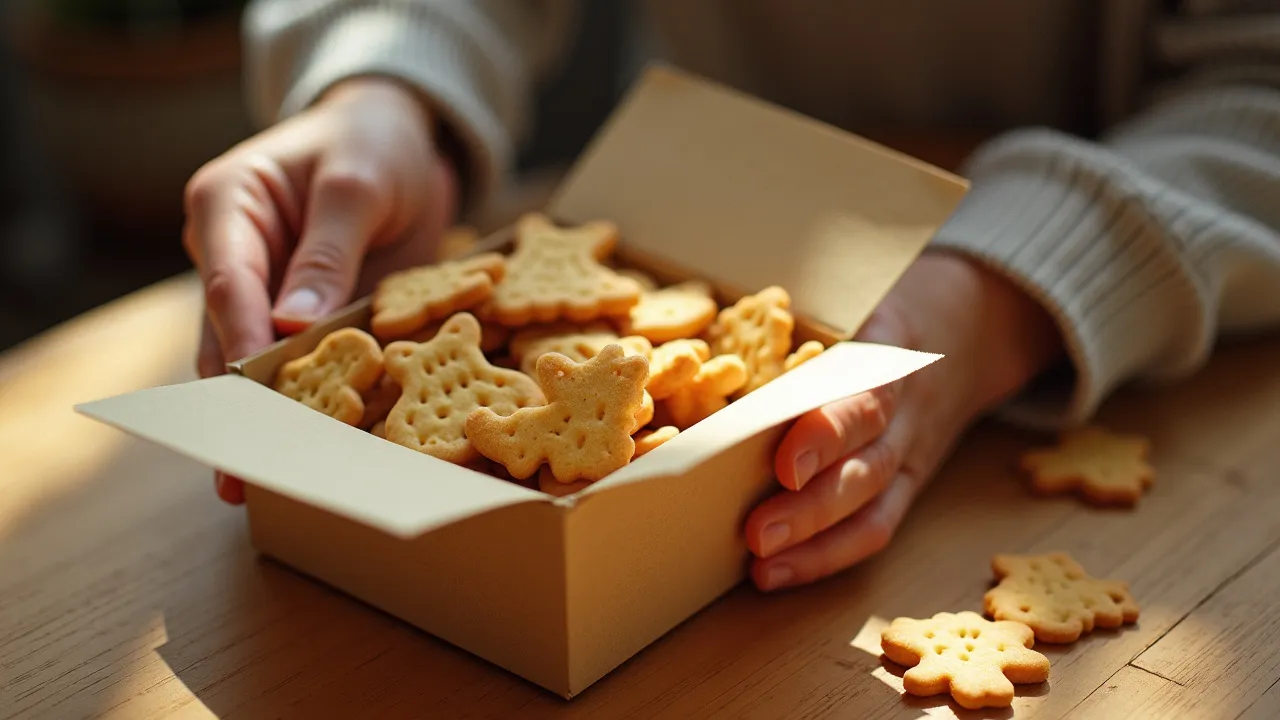
National Animal Crackers Day on April 18th celebrates the iconic snack that has delighted children and adults for over a century. Learn about its history, how to celebrate, and fun facts.
The Historical Origins & Evolutionary Journey
The Foundational Catalyst
Animal crackers trace their roots to the late 19th century when bakers in England began crafting biscuit-shaped animals. The first mass-produced animal crackers in the United States were introduced by the National Biscuit Company (Nabisco) in 1902 under the brand Barnum's Animals, named after P.T. Barnum's circus. The iconic box, designed with a string handle for hanging on Christmas trees, quickly became a holiday staple.
The Legislative/Official Adoption
National Animal Crackers Day was established as a food holiday in the early 2000s, likely by the National Day Calendar or similar promotional entities. While no official government proclamation exists, the day gained traction through social media and snack companies. April 18th was chosen to align with spring and the end of the Easter season, making it a perfect time for family-oriented snacking.
Modern Global Legacy
Today, animal crackers are enjoyed worldwide in various forms. In the United States, Barnum's Animals remains the market leader, but many artisanal bakeries offer organic or whole-grain versions. The day is marked by online campaigns, school snack events, and nostalgic social media posts. The treat's enduring appeal lies in its whimsical shapes and the childhood memories it evokes.
How to Celebrate National Animal Crackers Day
Individual Celebration Ideas
- Snack Tasting: Sample different brands of animal crackers and compare flavors.
- Craft Projects: Use animal crackers as stamps or create dioramas with them.
- Baking Challenge: Make homemade animal crackers using cookie cutters.
School and Community Events
- Host an "Animal Cracker Safari" where kids learn about real animals corresponding to the crackers.
- Organize a charity drive: donate boxes of animal crackers to local food banks or shelters.
- Create a classroom graph of favorite animal shapes to teach math skills.
Corporate and Social Rituals
Companies can celebrate by offering animal crackers in break rooms or incorporating them into team-building activities. Social media challenges encourage users to share photos of their animal cracker creations using hashtags like #NationalAnimalCrackersDay.
The Cultural Significance of Animal Crackers
Nostalgia and Childhood Memories
For many, animal crackers evoke fond memories of lunchboxes, road trips, and holiday traditions. The Barnum's Animals box design has remained largely unchanged for over a century, making it a recognizable icon of Americana.
Symbolism in Popular Culture
Animal crackers have appeared in films, songs, and literature as symbols of innocence and simplicity. They are often referenced in discussions of brand nostalgia and consumer behavior. The phrase "animal crackers" is also used metaphorically to describe something playful or trivial.
Nutritional Aspects and Modern Varieties
Ingredients and Health Considerations
Traditional animal crackers are made from unbleached wheat flour, sugar, and vegetable oil. They are low in fat but contain added sugars. Modern health trends have led to the development of whole grain, gluten-free, and organic versions. Some brands reduce sugar or add fiber to appeal to health-conscious consumers.
Comparisons to Cookies
The FDA classifies animal crackers as cookies due to their sugar content, though they are often marketed as crackers. This debate adds to their unique identity. Many parents consider them a better option than candy for children's snacks.
Animal Crackers in Popular Media
Film and Television Appearances
Animal crackers have made cameo appearances in movies like Shrek (the gingerbread man) and TV shows such as The Simpsons. They are also a fixture in children's books, often used in counting exercises or animal identification.
Social Media and Viral Trends
On TikTok and Instagram, users create stop-motion animations with animal crackers or use them as props in dance challenges. The hashtag #AnimalCrackersDay trends annually on April 18th.
Global Variations and Regional Traditions
International Equivalents
In the United Kingdom, Sea Biscuits are similar animal-shaped crackers. Germany has Tierkekse (animal cookies). In Japan, Kororon candies mimic animal crackers but are fruit-flavored. These variations demonstrate the universal appeal of animal-shaped snacks.
Regional Date Variations
While April 18th is the primary date in the U.S., some countries celebrate on alternative dates. For instance, in Canada, a separate 'Animal Cracker Day' is observed in October, linked to Thanksgiving promotions. However, the global community largely adopts April 18th due to U.S. influence.
Historical Timeline
Nabisco introduces Barnum's Animals animal crackers, packaged in a box with a string handle for hanging on Christmas trees. The initial assortment includes 17 animal shapes.
The animal cracker recipe is slightly modified to reduce sugar content, and the box design is updated with a new font. The string handle is removed due to cost-cutting.
National Animal Crackers Day is first promoted by the National Day Calendar, establishing April 18th as the official observance date. Snack companies launch limited-edition packaging.
A petition to bring back the string handle gains momentum online. Nabisco responds by releasing a limited-edition nostalgic box for the 110th anniversary.
Kraft Heinz (owner of Nabisco) introduces organic and gluten-free animal crackers, catering to health trends. The line is marketed as 'Barnum's Animals Snack Packs.'
National Animal Crackers Day trends on social media with over 1 million posts. Several bakeries host 'Animal Cracker Decorating Workshops' using royal icing.