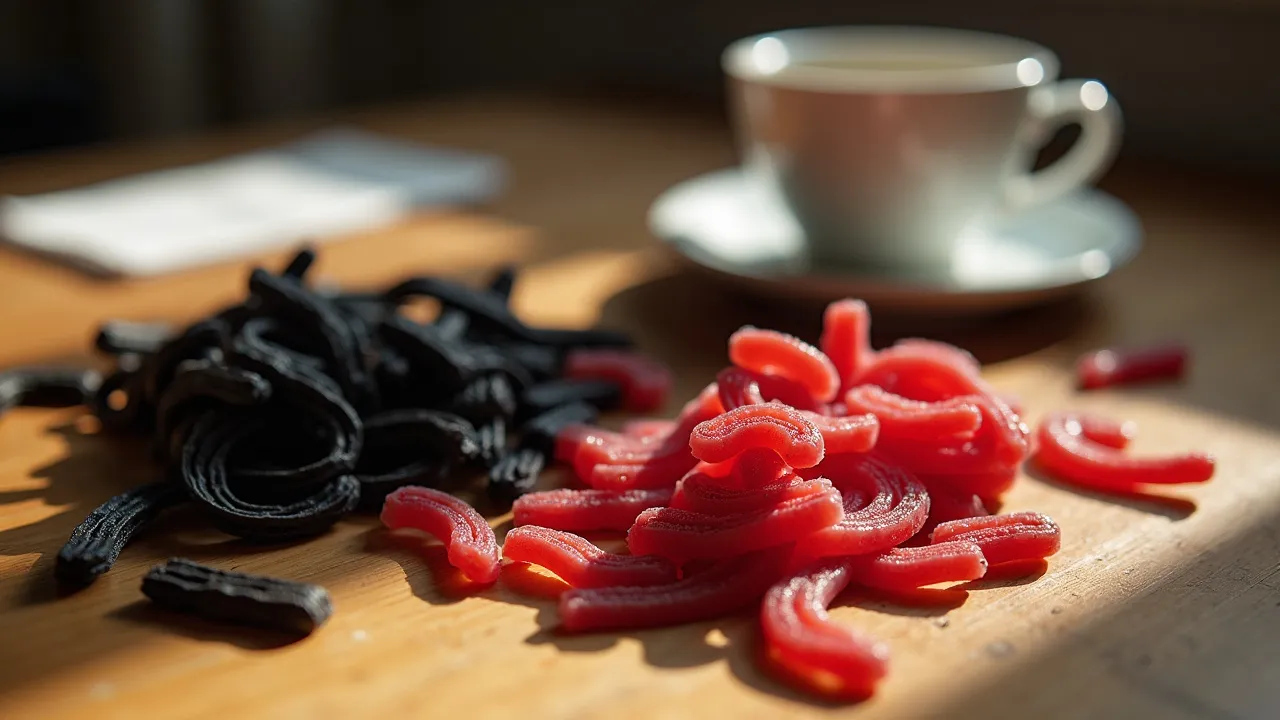
Celebrate National Licorice Day on April 12th! Discover the sweet and salty history of licorice, from ancient roots to modern confections. Learn how to enjoy this polarizing treat with recipes, trivia, and global traditions.
The Historical Origins & Evolutionary Journey of Licorice
Licorice's story begins over 3,000 years ago. Ancient civilizations prized the root of Glycyrrhiza glabra, a legume native to Southern Europe and parts of Asia. The term 'licorice' derives from Old French licorece, itself from Latin liquiritia (meaning 'sweet root').
The Foundational Catalyst: Ancient Medicinal Use
Egyptian pharaohs drank licorice tea as a cure-all. Greek physician Dioscorides prescribed it for coughs and sore throats. By the Middle Ages, European monks cultivated licorice in monastery gardens.
The Legislative/Official Adoption of a Sweet Treat
Industrialization turned licorice into candy. In the 18th century, Dutch and English confectioners added sugar and flour to create the first black licorice. By 1910, the National Confectioners Association (NCA) promoted licorice as a staple. National Licorice Day emerged as a marketing effort in the 2000s to boost sales of black licorice, though red licorice (actually strawberry flavor) also participates.
Modern Global Legacy
Today, licorice is a multibillion-dollar industry. Scandinavia consumes the most per capita, while Americans prefer the milder red variety. The day now celebrates both black and red licorice, with events like tastings and educational campaigns about licorice's health benefits.
How to Celebrate National Licorice Day
Whether you love the bold bite of black licorice or the fruity sweetness of red, April 12th is your excuse to indulge. Here's how to make the most of the day:
Individual & Family Activities
- Host a licorice tasting party. Gather varieties from different countries: salty Finnish salmiakki, soft English Pontefract cakes, and chewy Australian licorice.
- Bake with licorice. Add chopped black licorice to cookies, brownies, or even ice cream for a complex flavor.
- Pair with cheese or wine. Black licorice complements aged cheddar, while red licorice pairs well with sweet Moscato.
School & Community Events
- Licorice trivia contests. Quiz students on licorice history and health facts.
- Fundraisers. Sell licorice-themed baked goods to support local charities.
- Art projects. Use licorice strings for edible sculptures or jewelry.
Corporate & Social Rituals
Companies can offer licorice gift baskets to employees or host a 'guess the flavor' challenge. Social media campaigns using the hashtag #NationalLicoriceDay often feature user-generated recipes and reviews.
Health Benefits & Controversies of Licorice
Licorice root contains glycyrrhizin, a compound 50 times sweeter than sugar. It has anti-inflammatory and antimicrobial properties, but also risks.
Traditional Medicinal Uses
- Soothing sore throats: Licorice tea is a known demulcent.
- Digestive aid: It may reduce stomach ulcers and heartburn.
- Skin treatments: Topical licorice extract helps eczema and acne.
Modern Scientific Findings
Research confirms licorice's potential against Staphylococcus and its role in adrenal health. However, excessive intake can lead to hypokalemia, hypertension, and arrhythmias. The FDA warns against consuming more than 2 ounces of black licorice daily for weeks, especially for those over 40.
The Red Licorice Debate
Red licorice (made with strawberry or cherry flavor) is a misnomer; it typically contains no licorice extract. Nutritionally, it's just sugar and corn syrup. The day often sparks debates about which 'licorice' deserves celebration.
Global Variations & Regional Traditions
While National Licorice Day is primarily American, licorice cultures differ worldwide.
Scandinavia: Salty Love
Finish and Swedish consumers adore salmiakki—licorice salted with ammonium chloride. They celebrate their own Lakritsens Dag on August 10th.
Netherlands: Double Salted
Dutch drop comes in hundreds of varieties, from soft to hard, sweet to double-salted. The Dutch are the world's largest per capita consumers.
United Kingdom: Pontefract Cakes
Yorkshire's Pontefract region is famous for small, coin-shaped licorice candies. The town even has a Licorice Festival in October.
Italy: Liquirizia
Southern Italy produces pure licorice sticks (liquirizia) used as digestives. They often pair them with espresso.
The Licorice Industry & Economic Impact
The global licorice market was valued at approximately $2.5 billion in 2023, with 5% annual growth. Key players include Haribo, Twizzlers (Hershey), and Red Vines (American Licorice Company).
Major Brands & Innovations
- Twizzlers: America's favorite red licorice, launched in 1929.
- Haribo: Known for black licorice gummies like 'Salmon' and 'Licorice Wheels'.
- Panda: A Finnish brand specializing in natural black licorice.
Sustainability & Sourcing
Licorice root is typically wild-harvested in Central Asia and the Mediterranean. Overharvesting threatens some species, prompting Fair Trade certifications.
Cultural Significance & Fun Facts
Licorice has permeated pop culture and folklore.
Licorice in History & Myth
Cleopatra: Rumored to have used licorice for beauty and breath freshening.
Napoleon: Reportedly chewed licorice constantly to calm his stomach.
Licorice in Literature & Film
In Harry Potter, licorice wands are sold at Honeydukes. The 1995 film The Sweet Hereafter uses licorice as a metaphor for loss.
Trivia
Licorice extract is used to mask bitter flavors in medicines.
Most 'black licorice' sold in the US actually contains anise oil, not real licorice root.
The world's largest licorice candy (a 1,500-pound wheel) was made in Denmark in 2019.
Historical Timeline
National Licorice Day is established by the National Confectioners Association (NCA) to promote licorice consumption, with the date set as April 12th.
The NCA is founded, eventually leading to the creation of National Licorice Day nearly a century later.
Twizzlers, the iconic red licorice, are introduced by Young & Smylie, later acquired by Hershey.
Salmiakki (salty licorice) becomes popular in Scandinavia, leading to distinct regional licorice cultures.
Research on glycyrrhizin's health effects sparks increased interest in licorice root supplements.
Denmark creates the world's largest licorice candy, weighing 1,500 pounds, to celebrate the country's licorice heritage.