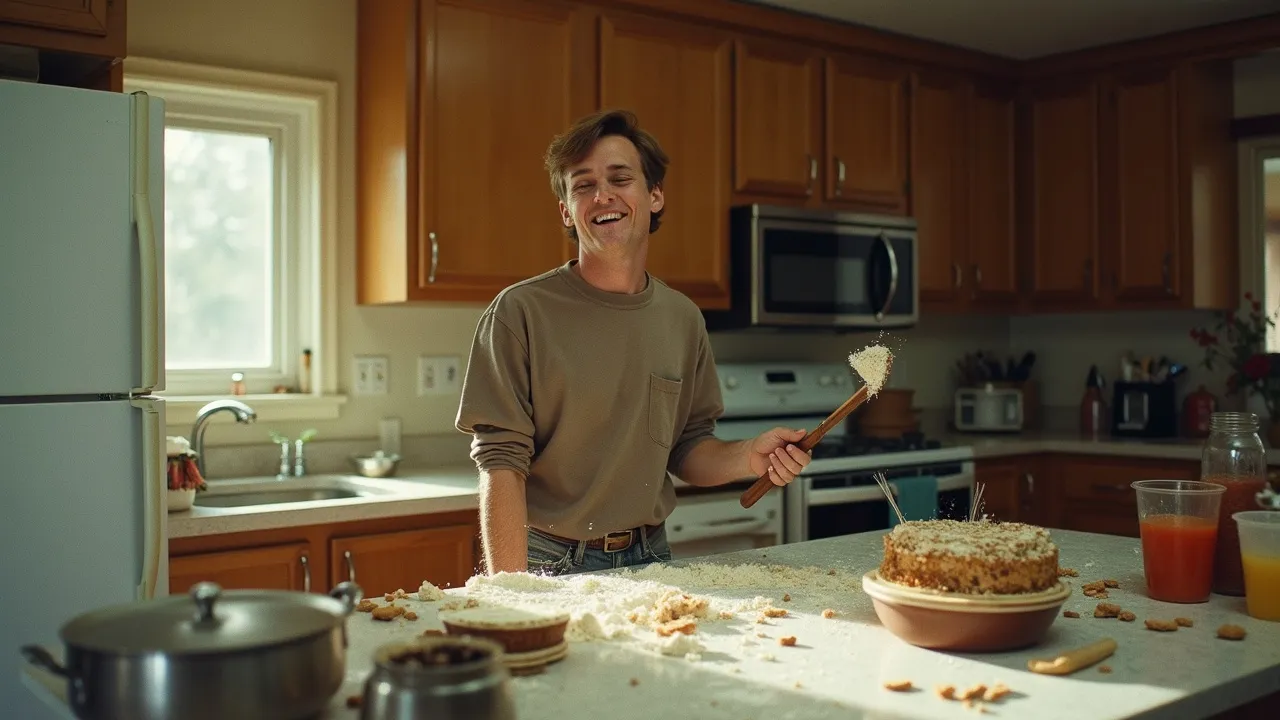
Celebrated on June 13th, National Kitchen Klutzes of America Day honors the clumsy cooks among us, embracing kitchen mishaps with humor. It's a day to laugh at burnt toast and spilled batter, promoting resilience in the culinary journey.
The Historical Origins & Evolutionary Journey
National Kitchen Klutzes of America Day, observed annually on June 13th, emerged from the collective need to destigmatize culinary errors. While its exact founder remains anonymous, the day gained traction in the late 20th century as home cooking became a popular pastime and reality TV shows highlighted kitchen disasters.
The Foundational Catalyst
The earliest recorded mention of a "Kitchen Klutz Day" appears in a 1985 issue of Good Housekeeping, where a reader suggested a day to laugh at cooking mistakes. This resonated with the American public, leading to informal celebrations. By the 1990s, the day was adopted by cooking clubs and online forums as a way to build community around shared kitchen failures.
The Legislative/Official Adoption
Unlike federal holidays, National Kitchen Klutzes of America Day was never officially recognized by the U.S. government. Instead, it was embraced by culinary schools, food bloggers, and social media influencers. In 2012, the day received a surge of attention when a viral hashtag #KitchenKlutzDay trended on Twitter, featuring photos of burnt cookies and broken blenders.
Modern Global Legacy
Today, the day is celebrated not only in America but also in Canada, the UK, and Australia. It serves as a reminder that cooking perfection is a myth, and that every great chef has a story of a kitchen disaster. The day encourages novice cooks to keep trying, fostering a supportive environment in home kitchens worldwide.
How to Celebrate National Kitchen Klutzes of America Day
Celebrating this day is about embracing imperfection and finding joy in culinary chaos. Here are actionable strategies for individuals, schools, and organizations.
For Individuals
- Host a "Mishap Meal": Cook a meal with friends where everyone deliberately makes a mistake (e.g., over-salted soup, burnt toast) and laugh about it.
- Share Your Fail: Post a photo of your worst kitchen disaster on social media with the hashtag #KitchenKlutzDay.
- Learn from a Mistake: Take a cooking class and intentionally make an error to learn the recovery technique.
For Schools and Communities
- Kitchen Disaster Fair: Organize an event where participants display their kitchen fails along with lessons learned.
- Cook-Off with a Twist: Hold a competition where each dish must contain an intentional error, and judges score on creativity and recovery.
For Organizations
Corporate kitchens or team-building events can host a "Klutz Challenge" where employees team up to salvage a deliberately ruined recipe. This promotes teamwork and resilience.
Psychological Impact of Embracing Kitchen Clumsiness
Psychology research suggests that embracing mistakes reduces anxiety and builds resilience. National Kitchen Klutzes of America Day leverages this by normalizing failure in the kitchen, a space often associated with perfectionism. Studies show that home cooks who laugh at their errors are more likely to experiment with new recipes and improve their skills. The day also combats the stigma of being a "bad cook," encouraging people to enjoy cooking regardless of skill level.
Key Takeaways
- Reduces kitchen-related stress.
- Fosters a growth mindset in culinary skills.
- Strengthens social bonds through shared laughter.
Cultural Variations Around the World
While primarily an American observance, countries worldwide have adopted the spirit of the day with local twists.
United Kingdom
In the UK, it's often called "Kitchen Calamity Day" and celebrated with a tradition of making a full English breakfast that goes wrong—burnt toast, runny eggs, and broken sausages are cheered.
Australia
Aussies hold "Backyard Barbie Blunders" where grilling errors like charcoal steaks are celebrated with a round of drinks.
Japan
Japanese home cooks participate in "Tabetai Misteiku" (table mistakes) by sharing on social media their failed attempts at bento box art.
These variations show that the core message—finding humor in kitchen failures—is universal.
The Role of Social Media in Popularizing the Day
Social media platforms have been instrumental in transforming National Kitchen Klutzes of America Day from a niche joke into a viral phenomenon. Instagram and TikTok are flooded with short clips of kitchen fails, from flying flour clouds to exploding pressure cookers. The hashtag #KitchenKlutzDay has over 100 million views on TikTok as of 2025. Food bloggers often post "Throwback Thursday" content featuring their earliest and worst cooking attempts, building relatability with audiences.
This digital celebration not only entertains but also educates: many videos include recovery tips, turning mistakes into teachable moments.
Industry Transformations: Culinary Schools and Product Design
The day has prompted changes in the culinary industry. Cooking schools now incorporate "mistake modules" in their curricula, teaching students how to fix common errors like broken sauces or overly salty dishes. Kitchenware companies have also taken note; some now market products specifically designed for klutzes, such as unbreakable mixing bowls, non-slip cutting boards, and oven mitts with extra grip. This trend reflects a broader shift towards resilience and forgiveness in the kitchen.
Historical Timeline
A reader in Good Housekeeping suggests a day to laugh at kitchen mistakes; the idea gains modest attention via letters and local cooking clubs.
A small segment on the TV show 'The Kitchen' features a segment on celebrating cooking blunders, sparking informal celebrations across the US.
The first online mention of 'National Kitchen Klutzes Day' appears on a cooking forum, with users sharing stories and tips.
The hashtag #KitchenKlutzDay trends on Twitter after a viral photo of a celebrity's burnt cake, boosting national awareness.
Several culinary schools begin hosting 'Mishap Workshops' on June 13th, focusing on error recovery techniques.
During the pandemic home-cooking boom, the day sees record participation on social media, with over 5 million posts.
The day is adopted by the International Association of Culinary Professionals, promoting a 'no shame' cooking culture.