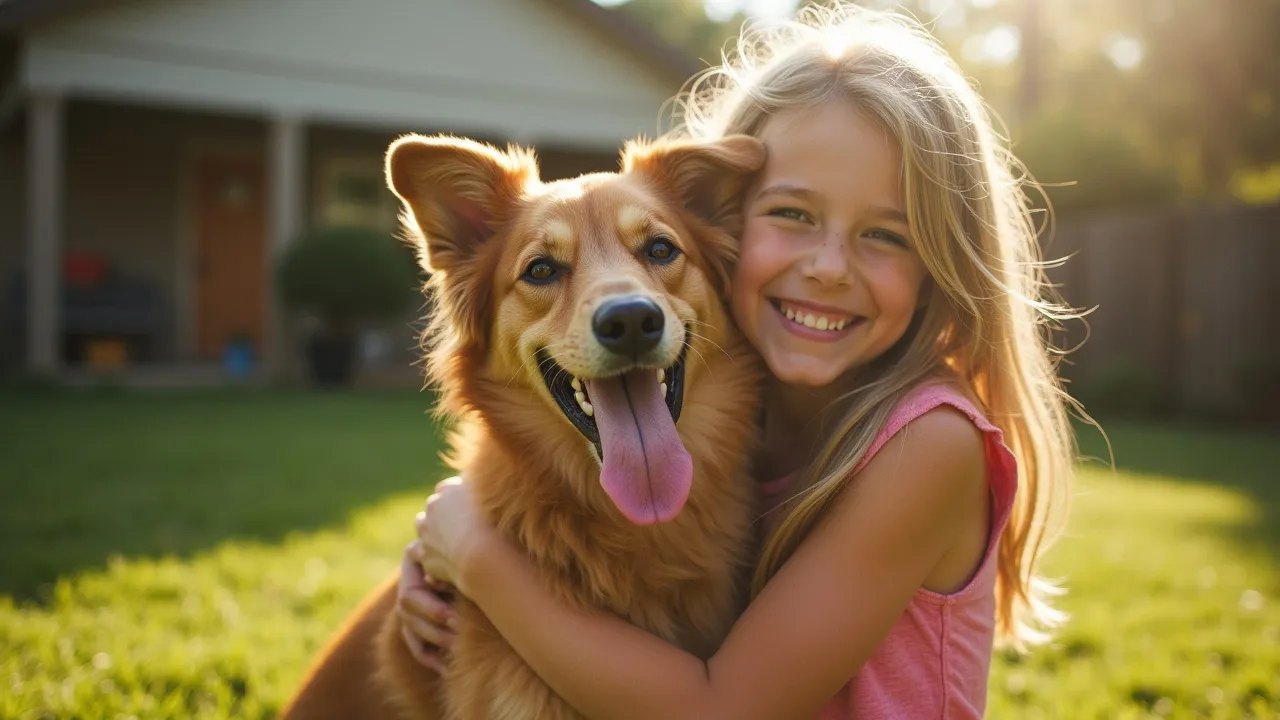
National Kids and Pets Day on April 26th celebrates the joyful bond between children and animals, promoting adoption and responsible pet ownership through shared activities and education.
The Historical Origins & Evolutionary Journey
National Kids and Pets Day was founded in 2005 by Colleen Paige, a renowned pet and family lifestyle expert, to honor the profound bond between children and animals. The day also aims to promote pet adoption and raise awareness about the responsibilities of pet ownership. Since its inception, the observance has grown into a global movement, celebrated by families, schools, and animal welfare organizations.
The Foundational Catalyst
Colleen Paige, driven by her own experiences as a child growing up with pets, recognized the need for a dedicated day that highlights the positive impact of animals on children's development. She chose April 26th to coincide with the spring season, symbolizing new life and growth. The initial celebration involved simple at-home activities, such as taking a pet for a walk or reading to a pet, but quickly gained traction through media coverage and community events.
The Legislative/Official Adoption
While National Kids and Pets Day is not a federal holiday, it has been officially recognized by numerous cities and states across the United States. The day has also been embraced by major pet retailers, veterinary associations, and humane societies, which host adoption drives, educational workshops, and fundraising events. In 2010, the American Veterinary Medical Association (AVMA) publicly endorsed the day, encouraging its members to participate in community outreach.
Modern Global Legacy
Today, the observance is celebrated in over 20 countries, including Canada, Australia, and the United Kingdom. Social media campaigns using hashtags like #KidsAndPetsDay have amplified the message, sharing heartwarming stories and tips for safe pet ownership. The day continues to evolve, with an increasing focus on therapy animals, service dogs, and the benefits of animal-assisted therapy for children with special needs.
How to Celebrate National Kids and Pets Day
Celebrating National Kids and Pets Day is about strengthening the bond between children and animals while emphasizing safety, compassion, and responsibility. Below are actionable strategies for individuals, families, schools, and organizations.
For Individuals and Families
Adopt, Don't Shop: Visit your local animal shelter and consider adopting a pet. Many shelters offer reduced fees on this day.
Create a Pet Care Routine: Involve children in feeding, grooming, and walking pets to teach responsibility.
Read to a Pet: Snuggle up with a furry friend and read a book aloud. This builds reading confidence and strengthens the bond.
Make Homemade Treats: Bake pet-safe treats together using ingredients like peanut butter and pumpkin.
Photo Shoot: Capture candid moments of your child and pet playing or cuddling. Share on social media to spread awareness.
For Schools and Educational Institutions
Invite a Guest Speaker: Arrange for a veterinarian or animal behaviorist to talk about pet care and safety.
Organize a Pet Supply Drive: Collect food, toys, and bedding for local animal shelters.
Art and Essay Contests: Have students create artwork or write essays about what their pet means to them.
Animal-Assisted Reading Programs: Partner with therapy dog organizations to allow children to read to trained dogs, improving literacy skills.
For Organizations and Businesses
Host an Adoption Event: Partner with shelters to facilitate pet adoptions at your location.
Offer Discounts: Pet stores and veterinary clinics can offer special promotions on pet supplies and wellness checks.
Social Media Campaign: Share stories of successful adoptions and tips for introducing pets to children.
Volunteer Day: Encourage employees to volunteer at animal shelters as a team-building activity.
The Psychological and Developmental Benefits
Research consistently demonstrates that growing up with pets offers significant psychological and developmental advantages for children. The human-animal bond can shape emotional intelligence, social skills, and mental well-being in profound ways.
Emotional and Social Development
- Empathy and Compassion: Caring for a pet teaches children to recognize and respond to the needs of another living being, fostering empathy.
- Responsibility: Assigning age-appropriate pet care tasks instills a sense of duty and accountability.
- Reduced Stress: Interacting with pets lowers cortisol levels and increases oxytocin, promoting calmness and relaxation.
Physical Health and Cognitive Growth
- Increased Physical Activity: Dogs, in particular, encourage outdoor play and exercise, combating childhood obesity.
- Improved Immune System: Early exposure to pets may reduce the risk of allergies and asthma by strengthening the immune system.
- Enhanced Learning: Reading to pets has been shown to improve reading fluency and confidence in children with learning difficulties.
Therapeutic Applications
Animal-assisted therapy (AAT) is increasingly used in clinical settings to support children with autism, ADHD, and anxiety disorders. The non-judgmental presence of a pet can help children regulate emotions, improve communication, and build trust. National Kids and Pets Day highlights these therapeutic benefits and encourages families to explore how pets can positively impact their child's development.
Adoption and Rescue: A Lifesaving Connection
One of the core missions of National Kids and Pets Day is to promote pet adoption from shelters and rescue organizations. Millions of animals enter shelters each year, and many are euthanized simply because they lack homes. By encouraging families to adopt, the observance helps save lives and reduce the number of homeless pets.
Why Adoption Matters
- Saves Lives: Adopting a shelter pet directly reduces euthanasia rates. Even one adoption can open up resources for other animals.
- Fights Puppy Mills: Adoption discourages the demand for commercially bred pets, which often come from inhumane conditions.
- Cost-Effective: Adoption fees are typically lower than breeder prices and often include spaying/neutering, vaccinations, and microchipping.
How to Choose the Right Pet for Your Family
- Assess Your Lifestyle: Consider activity level, living space, and time commitment. A high-energy dog may not suit an apartment, while a cuddly cat might be perfect.
- Involve the Children: Take kids to the shelter to interact with potential pets. Observe how the animal reacts to your child.
- Talk to Shelter Staff: They know each animal's personality and can recommend the best match for your family.
- Consider a Trial Period: Some shelters offer foster-to-adopt programs so you can see if the pet fits your home.
Post-Adoption Tips
Once you bring a pet home, ensure a smooth transition with gradual introductions, a safe space, and consistent routines. Use positive reinforcement training to build trust. National Kids and Pets Day is the perfect occasion to start this rewarding journey.
Educational Programs and School Initiatives
Schools and educational programs play a vital role in spreading the message of National Kids and Pets Day. By integrating animal-related topics into the curriculum, educators can teach children about empathy, biology, and community service.
Classroom Activities
- Pet Care Workshops: Invite local veterinarians to discuss basic pet care, nutrition, and safety.
- Story Time: Read books like "Let's Get a Pup!" Said Kate by Bob Graham or "A Kid's Guide to Safe Dog Interaction" to discuss pet ownership.
- Science Lessons: Explore animal behavior and biology through hands-on projects, such as observing a classroom pet (with proper care).
Service Learning Projects
- Shelter Visits: Organize field trips to local animal shelters where students can volunteer (e.g., cleaning kennels, socializing animals).
- Fundraising Drives: Have students create and sell crafts to raise money for animal rescue organizations.
- Compassion Campaigns: Start a "Kindness Club" that promotes responsible pet ownership and anti-bullying, drawing parallels between how we treat animals and each other.
Building a Lifetime of Compassion
When children learn to care for animals, they develop skills that translate into better relationships with people. National Kids and Pets Day serves as a springboard for schools to foster a culture of empathy and responsibility that lasts well beyond the classroom.
Global Impact and Future Directions
Since its founding in 2005, National Kids and Pets Day has expanded far beyond the United States. Around the world, families, communities, and organizations have adapted the observance to fit their cultural contexts, creating a truly global movement.
International Celebrations
- Canada: Similar activities with emphasis on outdoor exploration with pets, given the country's vast natural spaces.
- Australia: Focus on native animal conservation, encouraging children to learn about and respect wildlife while celebrating domestic pets.
- United Kingdom: Dog shows, pet parades, and educational sessions at schools are common.
- Japan: Growing interest in pet therapy for children, with events at hospitals and care facilities.
Future Opportunities
The observance can further grow by integrating technology, such as virtual adoption events and online education modules. There is also potential for greater collaboration with pediatricians and child psychologists to promote the therapeutic benefits of pets. As urbanization increases, advocating for pet-friendly housing and public spaces will be crucial. National Kids and Pets Day will continue to evolve, championing the health and happiness of both children and animals.
Historical Timeline
Colleen Paige founds National Kids and Pets Day to celebrate the child-pet bond and encourage pet adoption.
First official celebration with community events and media coverage across the United States.
The American Veterinary Medical Association endorses the day, promoting its educational mission.
Expansion to over 10 countries including Canada, Australia, and the UK, with international adoption events.
Virtual celebrations due to the COVID-19 pandemic; online adoption drives and webinars become prominent.