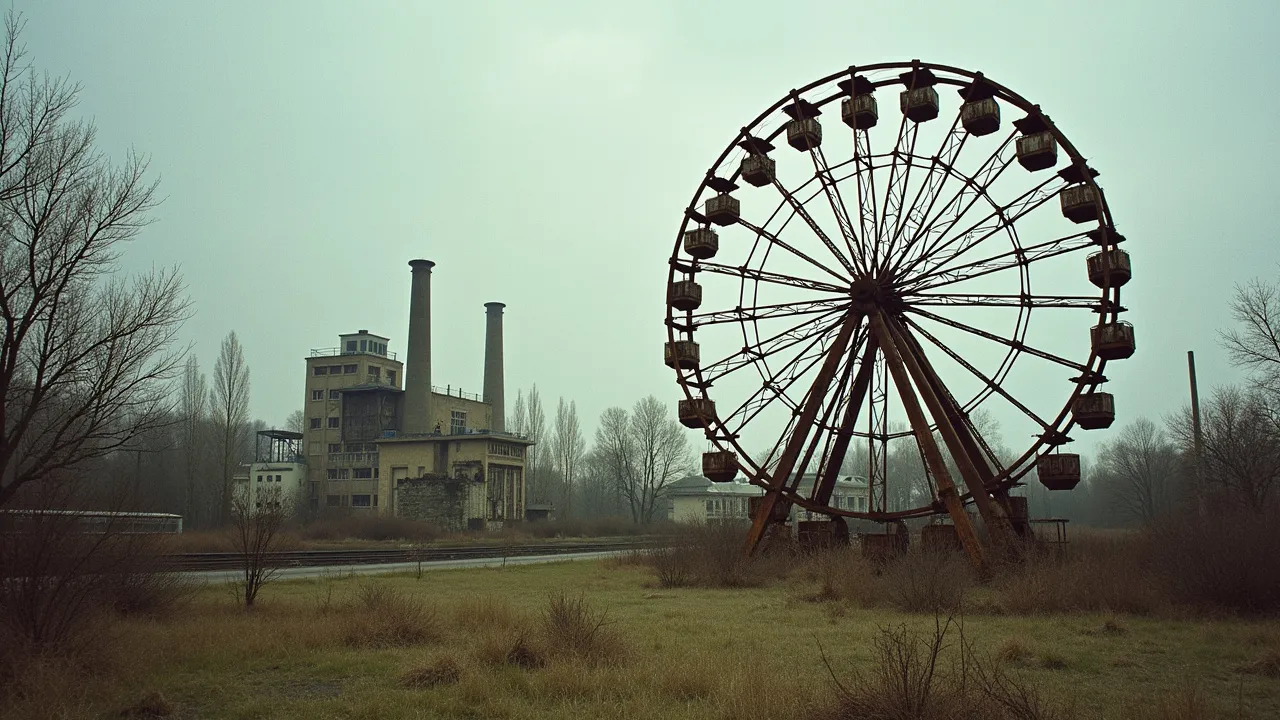
Chernobyl Disaster Remembrance Day, observed on April 26th, honors the victims of the 1986 nuclear catastrophe and promotes nuclear safety. It is a UN-recognized day for reflection on the human and environmental toll of the disaster.
The Historical Origins & Evolutionary Journey
The Chernobyl Disaster Remembrance Day traces its origins to one of the most catastrophic human-made disasters in history: the explosion of Reactor No. 4 at the Chernobyl Nuclear Power Plant in Ukraine on April 26, 1986. The disaster released massive amounts of radioactive material into the atmosphere, contaminating vast areas of Europe and causing acute radiation sickness, deaths, and long-term health impacts.
The Foundational Catalyst
The immediate aftermath of the explosion required the evacuation of over 100,000 people from the surrounding area, including the city of Pripyat. The disaster prompted international efforts to contain the radiation, leading to the construction of the sarcophagus and later the New Safe Confinement. The event became a symbol of the dangers of nuclear energy and the importance of safety protocols.
The Legislative/Official Adoption
On December 8, 2016, the United Nations General Assembly adopted Resolution 71/125, officially designating April 26 as International Chernobyl Disaster Remembrance Day. The resolution called upon all Member States to observe the day in an appropriate manner to raise awareness of the consequences of the disaster and to promote nuclear safety. The first official observance took place in 2017.
Modern Global Legacy
Today, the day is marked by ceremonies, educational events, and activism. It serves as a reminder of the need for transparency, accountability, and adherence to strict safety standards in the nuclear industry. The Chernobyl Exclusion Zone has become a unique site for scientific research and tourism, while the disaster continues to influence environmental policies and anti-nuclear movements worldwide.
How to Celebrate Chernobyl Disaster Remembrance Day
Observing Chernobyl Disaster Remembrance Day involves a mix of reflection, education, and advocacy. Below are actionable strategies for individuals, schools, and organizations to commemorate the day meaningfully.
For Individuals
- Light a candle at 1:23 AM local time (time of the explosion) in memory of the victims.
- Read survivor testimonies or watch documentaries like "Chernobyl" (2019) to understand the human cost.
- Donate to organizations supporting victims, such as the Chernobyl Children International.
For Schools
- Host a teach-in on nuclear science, safety, and the history of the disaster.
- Organize a debate on the pros and cons of nuclear energy in the modern world.
- Assign student projects exploring the environmental impact and recovery efforts in the Exclusion Zone.
For Organizations and Communities
- Hold a moment of silence at a public gathering or via social media.
- Publish articles or podcasts featuring expert interviews on radiation safety and nuclear policy.
- Partner with environmental groups to promote clean energy alternatives.
In Belarus, Ukraine, and Russia, official ceremonies include wreath-laying at monuments and church services. In Western Europe and the US, events often center on advocacy for nuclear disarmament and renewable energy.
Global Impact and Environmental Consequences
Radioactive Contamination
The Chernobyl explosion released 400 times more radioactive material than the Hiroshima atomic bomb. Cesium-137 and strontium-90 contaminated over 200,000 square kilometers of land across Europe. The most affected countries were Ukraine, Belarus, and Russia, but fallout was detected as far away as Sweden and the UK.
Health and Human Toll
According to the UN and WHO, about 30 workers died from acute radiation syndrome within months. The number of eventual cancer deaths is estimated at 4,000 among the most exposed populations, though some NGOs claim higher numbers. The psychological trauma, displacement, and economic disruption continue to affect communities.
Environmental Restoration
The Chernobyl Exclusion Zone has become an accidental wilderness reserve, with wildlife thriving in the absence of humans. However, radioactive isotopes persist in the soil and water. Efforts to clean up and contain the site, including the New Safe Confinement (completed in 2016), cost billions of dollars.
Policy and Regulatory Changes
The disaster led to sweeping reforms in nuclear safety worldwide. The International Atomic Energy Agency (IAEA) developed new safety conventions, and many countries re-evaluated their nuclear programs. It also spurred the anti-nuclear movement, influencing referendums and phase-outs in countries like Italy and Germany.
Cultural and Artistic Legacy
The Chernobyl disaster has left a profound mark on culture and arts. It inspired numerous books, films, and video games that explore themes of disaster, survival, and memory. Svetlana Alexievich's Nobel Prize-winning book "Voices from Chernobyl" collects oral histories from survivors. The HBO series "Chernobyl" (2019) brought the event to a global audience, emphasizing the role of Soviet secrecy. In music, bands like Muse and Kraftwerk have referenced the disaster. The Chernobyl Exclusion Zone has become a popular tourist destination for dark tourism, with visitors exploring the abandoned city of Pripyat and the famous "Lonely House" meme site.
Scientific and Medical Research
Radiation Effects Research
Studies of Chernobyl survivors have provided invaluable data on the health effects of radiation exposure. The Thyroid Cancer spike in children was directly linked to iodine-131, leading to improved screening and treatment protocols. The disaster also advanced understanding of the long-term genetic effects of low-dose radiation.
Nuclear Safety Innovations
The design flaws of the RBMK reactor were corrected worldwide. Enhanced safety protocols, including containment structures and automatic shutdown mechanisms, were implemented. The disaster also spurred development of passive safety systems in newer reactor designs.
Commemoration and Activism
Chernobyl Disaster Remembrance Day is also a day of activism. Environmental groups and anti-nuclear organizations use the occasion to call for phase-out of nuclear power and investment in renewable energy. In Ukraine, ceremonies are held at the Chernobyl Memorial in Slavutych, the city built for evacuated workers. Belarus holds religious services and educational events. The day also raises funds for medical care of liquidators (cleanup workers) and victims. Social media campaigns with hashtags like #ChernobylDay spread awareness about the ongoing challenges of decommissioning nuclear plants and managing radioactive waste.
Historical Timeline
Explosion at Reactor No. 4 of Chernobyl Nuclear Power Plant in Ukraine, releasing massive radiation. The disaster begins at 1:23 AM local time.
Evacuation of the city of Pripyat, home to plant workers. Over 100,000 people are relocated.
Completion of the sarcophagus, a concrete shell built to contain radiation from the destroyed reactor.
The Soviet Union collapses; Chernobyl becomes part of independent Ukraine.
Shutdown of the last working reactor at Chernobyl. The plant ceases electricity generation.
Fukushima Daiichi nuclear disaster in Japan renews comparisons to Chernobyl and global debate on nuclear safety.
30th anniversary of the disaster. Later that year, the UN General Assembly establishes April 26 as International Chernobyl Disaster Remembrance Day.
First official observance of Chernobyl Disaster Remembrance Day, as mandated by UN Resolution 71/125.
HBO's miniseries 'Chernobyl' airs, sparking renewed public interest and debate about the disaster.
The site becomes a tourist attraction; Ukraine opens a new visitor center.
Russian forces occupy the Chernobyl Exclusion Zone at the start of the Ukraine war, raising concerns about nuclear security.