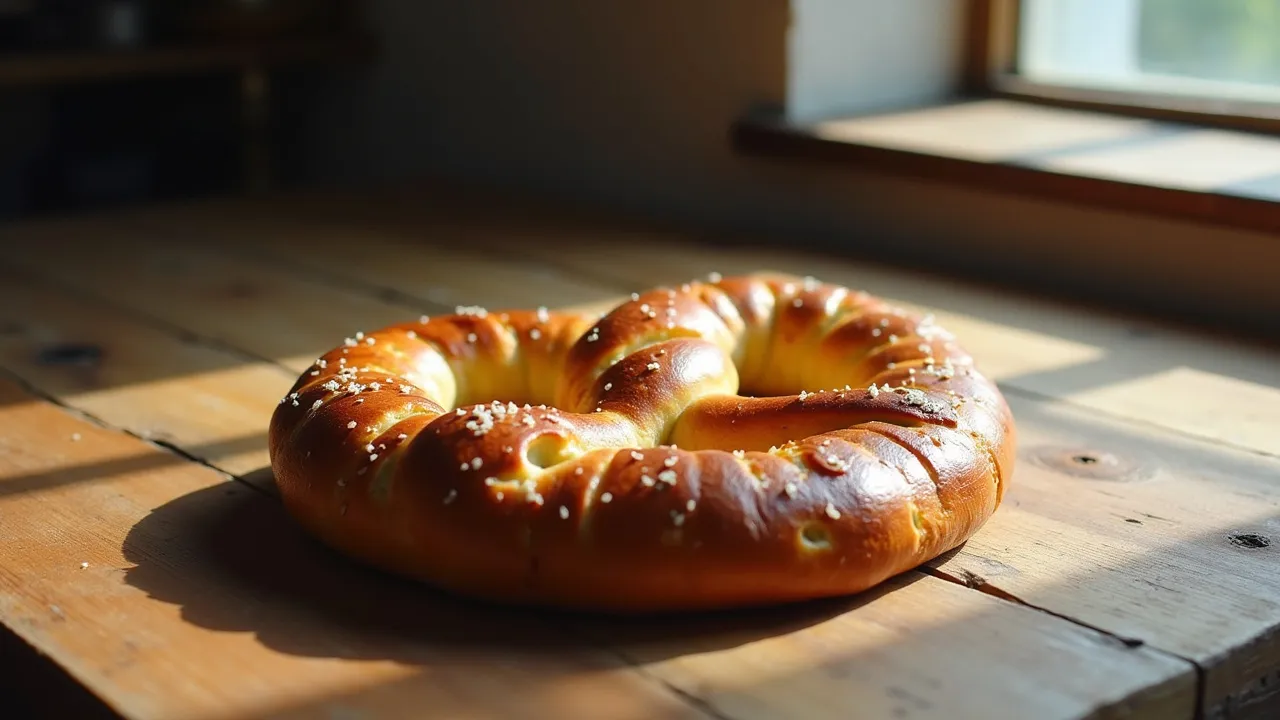
National Pretzel Day on April 26th celebrates the iconic twisted bread with a rich history dating back to medieval Europe. Discover how this beloved snack became a staple in American culture.
The Historical Origins & Evolutionary Journey
National Pretzel Day, observed annually on April 26th, honors one of the world's oldest and most beloved baked goods. The pretzel's history stretches back over a thousand years, intertwining religion, culture, and immigration.
The Foundational Catalyst: Monastic Beginnings
The pretzel's origin is often traced to European monasteries around 610 AD. According to tradition, an Italian monk shaped leftover dough into a twisted loop to resemble the crossed arms of a child in prayer. He called them pretiola (Latin for "little rewards") and gave them to children for reciting prayers. This religious symbolism endured for centuries.
The Legislative/Official Adoption: From Germany to America
By the Middle Ages, pretzels had spread through Germany and Austria, where bakers formed guilds and the pretzel became a symbol of good luck and prosperity. German immigrants brought pretzel-making to Pennsylvania in the 18th century, establishing the Pennsylvania Dutch tradition. In 1861, Julius Sturgis opened the first commercial pretzel bakery in Lititz, Pennsylvania, marking the birth of the American pretzel industry. However, it wasn't until 2003 when Pennsylvania Governor Ed Rendell officially declared April 26th as National Pretzel Day, recognizing the snack's economic and cultural impact.
Modern Global Legacy
Today, National Pretzel Day is celebrated across the United States and beyond. The day highlights the versatility of pretzels—from soft, doughy twists sold on street corners to crunchy, shelf-stable hard pretzels. The day also sparks promotions at major chains like Auntie Anne's and Wetzel's Pretzels, and encourages home bakers to experiment with recipes.
How to Celebrate National Pretzel Day
National Pretzel Day on April 26th offers countless ways to indulge in this twisted treat. Whether you prefer soft or hard, salty or sweet, here are actionable ways to celebrate:
Individual and Family Celebrations
- Bake from scratch: Try a classic soft pretzel recipe using yeast, flour, and baking soda bath. Involve kids in twisting the dough.
- Visit a local bakery: Many independent bakeries offer free samples or discounts on April 26th.
- Pretzel tasting party: Sample different varieties—salted, cinnamon sugar, stuffed with cheese or chocolate—to find your favorite.
School and Community Events
- Pretzel history lesson: Teach students about the pretzel's monastic origins and migration to America.
- Pretzel art contest: Have children design their own pretzel shapes using play dough or draw pretzel-inspired art.
- Fundraiser: Sell soft pretzels at school events to raise money for local causes.
Corporate and Social Rituals
Many companies host pretzel-themed office parties. Chain restaurants like Hooters and Buffalo Wild Wings often offer pretzel appetizers. Use social media with hashtag #NationalPretzelDay to share creations.
Global Traditions
While the US is the epicenter, other countries join in: Germany celebrates Brezeltag on various dates, and in Canada, bakeries offer pretzel specials.
Cultural Impact: Pretzels in Society
The pretzel has transcended its role as a simple snack to become a cultural icon. In the United States, it is synonymous with baseball games, county fairs, and street vendors. Soft pretzels sold at sporting events are a staple, often smothered in mustard or cheese sauce.
In Film and Television
Pretzels appear in classic movies such as The Breakfast Club and Harold & Kumar Go to White Castle, often as a comedic or nostalgic element. The phrase "pretzel logic" emerged in popular culture to describe twisted reasoning.
As a Symbol
The shape of the pretzel—a continuous loop with no beginning or end—has symbolized eternity and good fortune in various cultures. In Germany, pretzels are hung on Christmas trees as decorations.
National Pretzel Day reinforces these cultural touchstones and introduces new generations to the pretzel's legacy.
Varieties and Innovations: Beyond the Classic Twist
Pretzels come in two main forms: soft and hard. Soft pretzels are large, chewy, and often eaten fresh. Hard pretzels are crunchy, shelf-stable, and come in shapes like sticks, knots, and twists. Over time, bakers have innovated with flavors and fillings.
Popular Varieties
- Traditional salted soft pretzel: Coated with coarse salt and baked until golden.
- Cinnamon sugar pretzel: A sweet version often served with icing.
- Stuffed pretzels: Filled with cheese, pepperoni, chocolate, or caramel.
- Gluten-free pretzels: Made with alternative flours for dietary needs.
Regional Specialties
In Pennsylvania, hard pretzels are a signature export. The phrase "Philadelphia pretzel" refers to a local style of soft pretzel that is thinner and crisper.
Modern Twists
Food trucks and bakeries now offer pretzel burgers, pretzel buns, and pretzel croissants, blending traditional baking with contemporary trends.
Health and Nutrition: The Pretzel Paradox
Pretzels are often perceived as a healthier snack alternative to potato chips because they are baked, not fried. However, their nutritional profile is mixed.
Benefits
- Low in fat: A typical soft pretzel contains less than 1 gram of fat.
- Provide energy: Carbohydrates in pretzels offer a quick energy boost.
- Fortified: Some pretzels contain added B vitamins and iron.
Drawbacks
- High sodium: Salted pretzels can contain over 1,000 mg of sodium per serving.
- Low fiber: White flour pretzels lack whole grain benefits.
On National Pretzel Day, many people indulge without guilt, but mindful consumption is advised. Healthier options include pretzel thins with reduced salt or whole wheat varieties.
The Pretzel Industry Economics
National Pretzel Day shines a light on the significant economic impact of pretzel production, especially in Pennsylvania, which produces 80% of the nation's pretzels. The industry generates hundreds of millions of dollars annually and supports thousands of jobs.
Major Companies
- Snyder's of Hanover: Founded in 1909, one of the largest pretzel producers.
- UTZ Quality Foods: Produces a wide variety of snack pretzels.
- Auntie Anne's: A global chain specializing in soft pretzels with over 1,200 outlets.
Retail and Sales Trends
Pretzel sales spike on National Pretzel Day, with retailers offering BOGO deals and limited-edition flavors. The day also boosts tourism in Lititz, Pennsylvania, home to the Julius Sturgis Pretzel Bakery, which offers tours.
The industry continues to innovate with new shapes, organic ingredients, and international expansion, ensuring the pretzel's place in global snack culture.
Frequently Asked Questions About National Pretzel Day
Below are answers to common queries about National Pretzel Day. For a complete list, refer to the FAQ section.
When is National Pretzel Day? It is observed on April 26th annually.
Why was April 26 chosen? The date was selected to bridge winter and summer snack seasons.
Are there any official events? Many bakeries and chains offer promotions; no single national event.
Historical Timeline
Italian monks create the first pretzels (pretiola) as rewards for children who learned their prayers.
Julius Sturgis opens the first commercial pretzel bakery in Lititz, Pennsylvania, USA.
Hard pretzels gain popularity in the United States as a shelf-stable snack.
Pennsylvania Governor Ed Rendell declares April 26 as National Pretzel Day, officially recognizing the pretzel's cultural and economic significance.
National Pretzel Day celebrations go virtual due to the COVID-19 pandemic, with online baking tutorials and social media campaigns.