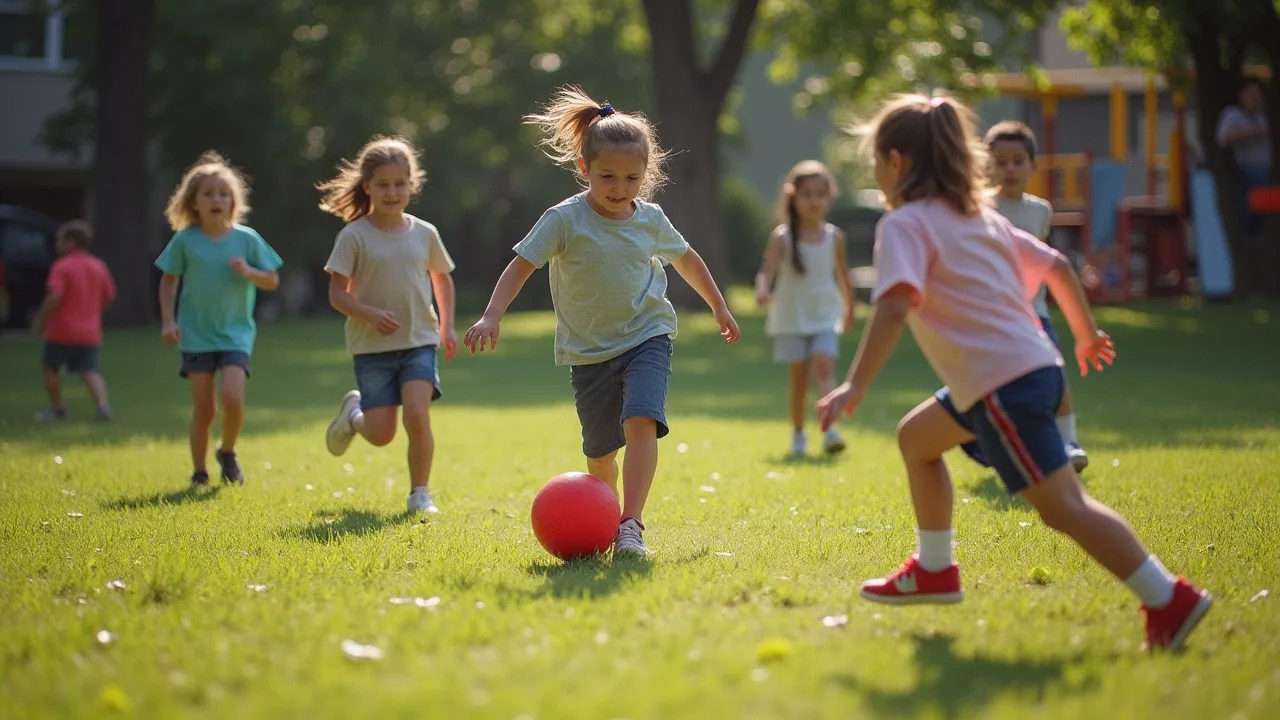
Celebrate National Kickball Day on April 17th, a day dedicated to the classic playground game that brings communities together. Discover its history, rules, and how to join the fun worldwide.
The Historical Origins & Evolutionary Journey
National Kickball Day, observed annually on April 17th, honors a beloved playground game that has evolved from a simple schoolyard pastime into a globally recognized recreational activity. The day was officially established by the World Adult Kickball Association (WAKA) in 2017 to celebrate the joy, teamwork, and physical activity that kickball promotes. However, the roots of kickball stretch back over a century.
The Foundational Catalyst
Kickball was invented in the United States around 1917 by Nicholas C. Seuss, a playground supervisor in Cincinnati, Ohio. He designed it as a safe, inclusive game for elementary school children that combined elements of baseball and soccer. The game quickly spread across the country due to its simplicity: all you need is a rubber ball, a field, and bases. By the 1920s, kickball had become a staple of physical education programs.
The Legislative/Official Adoption
For decades, kickball remained predominantly a children's game. However, the late 1990s saw a resurgence among adults. In 1998, the World Adult Kickball Association (WAKA) was founded in Washington, D.C., formalizing rules and organizing leagues. WAKA's efforts culminated in the declaration of National Kickball Day on April 17th, chosen to coincide with the start of spring kickball seasons across the Northern Hemisphere.
Modern Global Legacy
Today, kickball is played in over 30 countries, with national tournaments and charity events. The day encourages people of all ages to step outside, relive childhood memories, and enjoy the health benefits of this low-impact sport. Organizations like Kickball.com and local recreation centers host events, and social media amplifies the celebration with the hashtag #NationalKickballDay.
How to Celebrate National Kickball Day
Whether you're a seasoned player or new to the game, National Kickball Day offers numerous ways to participate. Here is the ultimate guide to celebrating across different settings and cultures.
For Individuals and Friends
- Organize a pickup game: Gather neighbors or friends at a local park. Use a standard 10-inch rubber ball and set up four bases in a diamond formation.
- Create a tournament: Invite multiple teams and play in a bracket format. Offer fun prizes like personalized kickballs.
- Share on social media: Post photos or videos using #NationalKickballDay to connect with the global community.
For Schools and Organizations
- Physical education focus: Devote the day's PE classes to kickball lessons, teaching rules and teamwork.
- Staff vs. student game: Hold a friendly match between teachers and students to build morale.
- Charity event: Charge a small entry fee and donate proceeds to a local youth sports program.
Global Celebrations by Region
While April 17th is the primary date in the United States, other regions incorporate local twists:
- Canada: Many community centers host "Kickball for Kids" clinics on this day.
- United Kingdom: The day often features inter-pub leagues, with post-game socials at sponsoring pubs.
- Australia: Given the southern hemisphere autumn, indoor kickball is popular, with modified rules for smaller spaces.
- Japan: Schools organize "Kikkubōru" (kickball) tournaments, integrating it into sports day events.
No matter where you are, the core spirit remains: fun, fitness, and fellowship.
Rules and Gameplay Essentials
Understanding the standard rules ensures a smooth and enjoyable experience. While variations exist, WAKA's official rules are widely adopted.
Basic Rules
- Teams: 8-11 players per side; co-ed teams encouraged.
- Field: A diamond with bases spaced 60 feet apart; pitcher's mound is 42 feet from home plate.
- Ball: A 10-inch inflated rubber ball, red or yellow.
- Pitching: The pitcher rolls the ball toward home plate; it must bounce at least twice before reaching the batter.
- Batting: The kicker must kick the ball with any part of the foot, not above the knee. No bunting allowed.
- Scoring: Runs are scored by completing a circuit of bases, similar to baseball.
- Outs: Can be made by catching a kicked ball in the air, tagging a runner, or throwing the ball to a base before the runner arrives.
Variations
Many groups adopt house rules, such as "one base per hit" or "no leading off". For younger children, larger balls and shorter base distances are common. The key is to adapt for inclusive fun.
Health and Social Benefits of Kickball
Kickball is more than a nostalgic game; it offers tangible physical and mental health advantages.
Physical Benefits
- Cardiovascular fitness: Running bases and fielding improve heart health and stamina.
- Coordination and balance: Kicking, catching, and throwing enhance motor skills.
- Low-impact exercise: Easier on joints than sports like basketball, making it accessible for all ages.
Social and Emotional Benefits
- Teamwork: Requires communication and cooperation to succeed.
- Stress relief: Outdoor play and laughter reduce cortisol levels.
- Community building: Brings together diverse groups, fostering friendships and networking.
Numerous studies highlight how recreational sports reduce depression and increase life satisfaction. Kickball's simplicity lowers barriers to entry, promoting an active lifestyle.
Global Impact and Cultural Significance
From playgrounds to adult leagues, kickball has left a mark worldwide.
Kickball in the United States
In the U.S., kickball is deeply embedded in childhood memory. The game is often played at family reunions, corporate picnics, and college campuses. WAKA alone has over 100,000 members across 40+ cities, organizing seasonal leagues and national championships.
International Growth
Countries like Japan have adopted kickball in school curricula, while in Germany, the game is known as "Kickball" and played in English-language clubs. International tournaments, such as the Kickball World Cup, have emerged, with teams from the U.S., Canada, Mexico, and beyond competing.
Charitable Dimensions
Many National Kickball Day events raise funds for causes like childhood obesity prevention, youth sports equipment, and local parks. Charity kickball tournaments have become a popular fundraising model.
Kickball in Pop Culture and Media
Kickball has made appearances in films, television, and literature, often symbolizing innocence or nostalgia.
Movies and TV Shows
- The Simpsons episode "The PTA Disbands" features a memorable kickball scene.
- Dodgeball: A True Underdog Story includes a reference to kickball as a childhood sport.
- Parks and Recreation characters play kickball in several episodes, highlighting team bonding.
Books and Comics
Children's books like "Kickball!" by Jill Kalz teach sportsmanship, while comic strips such as Calvin and Hobbes depict imaginative kickball games.
This media representation reinforces kickball's cultural relevance and keeps the tradition alive across generations.
Historical Timeline
Nicholas C. Seuss invents kickball as a safe playground game for children in Cincinnati, Ohio.
Kickball becomes a standard part of physical education curricula across the United States.
The World Adult Kickball Association (WAKA) is founded in Washington, D.C., formalizing rules and organizing adult leagues.
WAKA launches its first national tournament, drawing teams from multiple states.
WAKA establishes National Kickball Day on April 17th, officially recognizing the game's cultural impact.
Despite the pandemic, virtual kickball challenges and online tournaments keep the spirit alive.
Kickball is played in over 30 countries, with the Kickball World Cup gaining international media coverage.