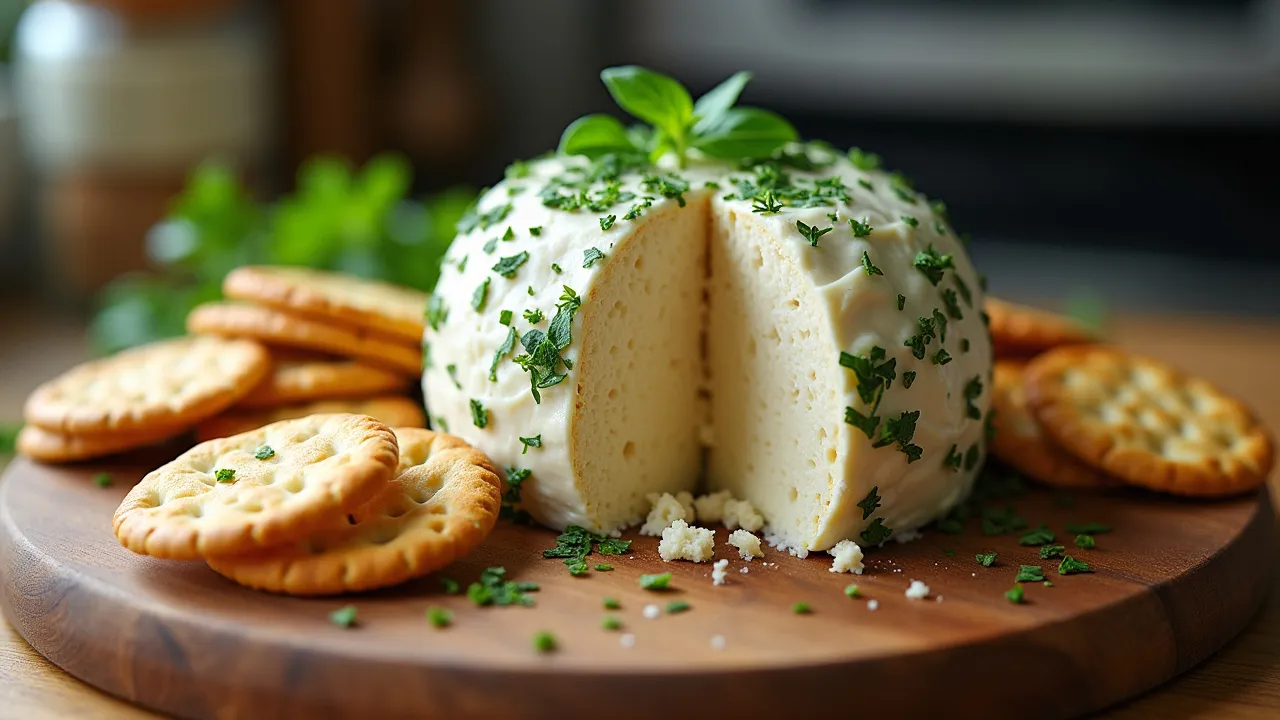
Celebrate National Cheeseball Day on April 17th by enjoying this creamy, flavorful appetizer. Discover its origins, how to make and serve it, and fun traditions from around the world.
The Historical Origins & Evolutionary Journey
National Cheeseball Day, observed annually on April 17th, honors one of America's most beloved party appetizers: the cheeseball. While the exact origins of this day are unclear, the cheeseball itself has a rich history that spans continents and centuries.
The Foundational Catalyst
The cheeseball's roots can be traced back to European cheese spreads and the American innovation of processed cheese. In the early 1900s, cream cheese became widely available, thanks to brands like Philadelphia. By the 1950s, home cooks began mixing cream cheese with sharp cheddar, blue cheese, and spices, rolling the mixture into a ball and coating it with nuts or herbs. This simple, elegant dish became a staple at cocktail parties and holiday gatherings.
The Legislative/Official Adoption
National Cheeseball Day appears to have been popularized by the American Cheese Society in the early 1990s as a way to promote artisan cheese. Though not an official federal holiday, it has been embraced by food bloggers, cheese manufacturers, and home entertainers across the United States. The date April 17th was chosen to kick off spring party season, before the summer barbecue rush.
Modern Global Legacy
Today, the cheeseball has evolved beyond its retro roots. Gourmet variations include goat cheese with truffle oil, vegan cashew-based balls, and spicy sriracha cheddar blends. In the UK, similar items are called cheese balls but are often fried (like Scottish cheese balls). Australia has embraced the cheeseball as a Christmas appetizer. National Cheeseball Day encourages creativity, with competitions for the most innovative recipe. Social media hashtags like #CheeseballDay showcase thousands of homemade creations each April 17th.
How to Celebrate National Cheeseball Day
Celebrating National Cheeseball Day is all about sharing creativity and good food. Whether you're a home cook, a professional chef, or a cheese enthusiast, there are countless ways to participate. Below are strategies for individuals, families, schools, and organizations.
For Individuals and Families
- Make a Classic Cheeseball: Combine 8 oz cream cheese, 1 cup shredded cheddar, 1/4 cup grated Parmesan, 1 tsp garlic powder, and 1 tbsp Worcestershire sauce. Shape into a ball, roll in chopped pecans, and refrigerate for at least 2 hours. Serve with crackers.
- Host a Tasting Party: Invite friends to bring their own cheeseballs. Vote on categories like "Best Presentation" and "Most Unique Flavor."
- Try a Regional Variation: Experiment with a New Orleans-style cheeseball with cayenne and andouille sausage, or a Mediterranean version with feta, sun-dried tomatoes, and olives.
For Schools and Educational Settings
- Cheese Science Workshop: Teach students about the chemistry of cheese making—how rennet curdles milk and how aging develops flavor. Follow up by making a no-bake cheeseball as a hands-on activity.
- Cultural Food Fair: Include cheeseballs from different cuisines, such as Indian paneer balls with spices, Greek tyrokafteri (spicy cheese dip), and Swiss raclette on potatoes.
For Organizations and Workplaces
- Cheeseball Competition: Encourage teams to create signature cheeseballs. Provide a prize for the winner.
- Charity Bake Sale (or Cheese Sale): Sell cheeseball kits or pre-made cheeseballs to raise funds for a local food bank.
Global Celebration Ideas
- United States: Enjoy a classic cheeseball with Ritz crackers and a glass of wine.
- United Kingdom: Try a Stilton and walnut cheeseball with digestive biscuits.
- Australia: Serve a cheeseball with dried fruits and nuts as a Christmas appetizer.
- France: Use brie, goat cheese, and herbs de Provence for an elegant version.
No matter how you celebrate, the key is to share the joy of cheese and community.
The Art and Science of Cheeseball Making
A perfect cheeseball balances flavor, texture, and presentation. Understanding the science behind the ingredients elevates any recipe.
Key Ingredients and Their Roles
Cream Cheese: Provides a smooth, spreadable base. Its high fat content helps bind other ingredients.
Aged Cheeses (Cheddar, Gouda, Blue): Add complexity and sharpness. The aging process creates crystals that contribute a slight crunch.
Acid (Lemon juice, Worcestershire): Brightens flavors and balances richness.
Coating (Nuts, Herbs, Bacon): Adds texture and visual appeal. Finely chopped pecans or pistachios are common.
Techniques for Success
Temperature Matters: Let cream cheese soften to room temperature for easy mixing. But after shaping, chill thoroughly so the ball holds its form.
Shape with Plastic Wrap: Using plastic wrap to form the ball prevents sticking and ensures a smooth surface.
Flavor Infusion: Let the cheeseball rest in the fridge overnight to allow flavors to meld.
Common Mistakes to Avoid
Overmixing: Can make the texture gummy. Mix just until combined.
Skipping the Chill: A warm cheeseball will fall apart when rolled.
Too much moisture: Ingredients like onion or relish should be drained to prevent sogginess.
Cultural Significance and Global Variations
While the cheeseball is most associated with American cuisine, many cultures have their own versions of cheese-based balls and spreads. National Cheeseball Day highlights this diversity.
North America
In the United States, the classic cheeseball is a holiday staple, especially at Christmas and New Year's. In Canada, cheese balls often incorporate maple syrup and bacon, reflecting local flavors.
Europe
- France: Fromage fort is a spread made from leftover cheese scraps, wine, and garlic—similar to a cheeseball base.
- Italy: Bocconcini are small mozzarella balls, often marinated in oil and herbs, served as appetizers.
- Scotland: Deep-fried cheese balls (often called cheese savouries) are popular pub fare.
Asia and Beyond
- India: Paneer mixed with spices and rolled into balls, then fried or served raw as a snack.
- Middle East: Kibbeh with cheese fillings are cheese balls encased in bulgur wheat.
- Australia/New Zealand: Cheese balls often feature tropical fruits like mango or macadamia nuts.
This global tapestry shows that the concept of shaping cheese into a ball is universal, adapting to local ingredients and tastes.
Cheeseball in Pop Culture and Media
The cheeseball has made appearances in movies, TV shows, and literature, often symbolizing retro sophistication or comfort food.
Television and Film
- "Mad Men" (2007-2015): Cheeseball platters appeared at 1960s cocktail parties, reflecting the era's culinary trends.
- "The Office" (US): In the episode "The Dinner Party," Jan serves a cheeseball that Michael pretends to like—a humorous nod to domestic pretension.
- "Friends": Monica Geller, a chef, once made a cheeseball for Thanksgiving, showcasing her culinary skills.
Literature and Social Media
Food blogs like Smitten Kitchen and Serious Eats have featured gourmet cheeseball recipes. On Instagram, the hashtag #cheeseball has over 500,000 posts, with many creative presentations like cheeseball "snowmen" and "pumpkins."
Corporate Influence
Brands like Kraft and Sargento use National Cheeseball Day to promote their products, releasing limited-time recipes and sponsoring social media contests. This commercial support helps spread awareness of the day.
Health, Nutrition, and Dietary Adaptations
Cheeseballs are often considered indulgent, but they can be adapted to fit various dietary needs. Understanding nutrition and substitutions allows everyone to enjoy the celebration.
Nutritional Profile
A typical 2-tablespoon serving of a classic cheeseball contains approximately 100-150 calories, 10g fat, 3g protein, and 2g carbohydrates. The high fat and sodium content make it a treat to be enjoyed in moderation.
Dietary Variations
- Low-Fat: Use reduced-fat cream cheese and skim milk cheese.
- Vegan: Replace dairy with cashew or almond-based cream cheese and nutritional yeast for cheesy flavor.
- Gluten-Free: Ensure all ingredients (especially coatings like pretzels or breadcrumbs) are gluten-free. Serve with rice crackers or vegetable sticks.
- Keto-Friendly: Use full-fat cheeses and avoid sugary mix-ins like dried fruit. Coat with crushed pork rinds or nuts.
Tips for Mindful Celebration
- Serve cheeseballs as part of a balanced appetizer spread with fresh vegetables and lean proteins.
- Use herbs and spices to reduce the need for extra salt.
- Portion out servings to avoid overindulgence.
National Cheeseball Day can be inclusive by offering multiple versions that cater to different dietary preferences.
Industry Impact and Economic Significance
The cheeseball, though a small product, contributes to the larger cheese and dairy industry. Understanding its economic footprint reveals its importance.
Dairy Industry Boost
The average cheeseball uses about 4-8 ounces of cheese. On National Cheeseball Day, millions of Americans make or purchase cheeseballs, driving demand for cream cheese, cheddar, and specialty cheeses. According to the American Dairy Association, cheese consumption peaks around holidays, with April 17th showing a noticeable spike.
Retail and Restaurant Opportunities
- Grocery Stores: Many chains feature cheeseball kits, featuring pre-mixed cheese and coating packets.
- Deli Counters: Prepared cheeseballs are often sold in the deli section, especially around celebrations.
- Restaurants: Some upscale eateries offer artisan cheeseballs as appetizers on National Cheeseball Day.
Social Media and Marketing
Brands run campaigns on this day to increase engagement. For example, Philadelphia Cream Cheese has promoted user-generated content with the hashtag #SpreadTheLove. Influencers share recipe videos, generating millions of views and driving sales.
The economic impact extends beyond cheese: cracker companies, nut producers, and spice manufacturers also see a lift. This day highlights how a simple appetizer can support a broad supply chain.
Historical Timeline
Creation of cream cheese by dairyman William Lawrence in Chester, New York, which becomes the key ingredient for modern cheeseballs.
Cheeseballs become popular at suburban cocktail parties in the United States, often served with Ritz crackers.
National Cheeseball Day is believed to have been established by the American Cheese Society to promote artisan cheese consumption.
The first online recipes for cheeseballs appear on websites like Allrecipes, spreading the tradition beyond printed cookbooks.
Social media platforms like Instagram and Pinterest fuel a resurgence of interest in visually appealing cheeseballs, with new flavor combinations.
During the COVID-19 pandemic, home cooking trends lead to a record number of homemade cheeseballs, with hashtag #CheeseballDay trending on Twitter.